
Lieferung heute & morgen

Qualitätsgarantie

Willkommens-Angebote freischalten: KOSTENLOSE Lieferung | Bis zu 80 % RABATT | Kostenlose 30-Tage-JoyPlus-Testphase
App herunterladen
A new electric kettle seems like a simple purchase. However, marketing promises often hide costly drawbacks that only become apparent with daily use. Many models disappoint with loud operating noise, an unpleasant plastic taste, or a short lifespan. Before you buy a new kettle, you should be aware of three common traps to make an informed decision.
As your Joybuy Product Recommendation Officer, I'm here to help you navigate these pitfalls and find an appliance that truly fits your needs.
To avoid a bad buy, you should focus on the essential, practical features. These three parameters are crucial for the longevity, safety, and user comfort of your new electric kettle.
The material has a direct impact on taste, durability, and safety.
The right balance between power and size saves time and energy.
Some features offer real added value, while others are dispensable.
Here are a few models that represent a considered choice for different user profiles, based on objective features.
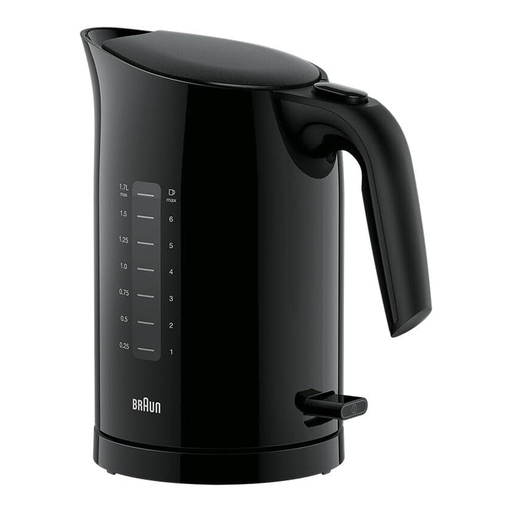
Why This Fits Their Persona: Ideal for daily use in families where reliability, safety, and sufficient volume are top priorities. It is streamlined to the essentials and easy to operate.
This model focuses on core functions like a rapid boil time and a 3-way safety system, rather than superfluous gimmicks that are often prone to failure.
Large 1.7L capacity for family needs and proven brand quality designed for durability. The wide opening makes it easy to fill.
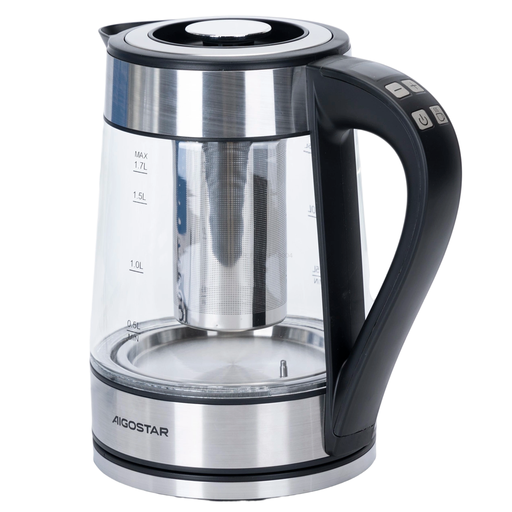
Why This Fits Their Persona: Perfect for users who prepare various types of tea or coffee and require precise water temperatures. The integrated tea infuser makes it a versatile tea maker for loose-leaf tea.
This model offers a genuinely useful extra feature—the 13-step temperature control—that provides real value, not just a marketing gimmick.
Precise temperature control via a digital display and a removable stainless steel tea infuser allow for the perfect preparation of a wide variety of hot beverages.
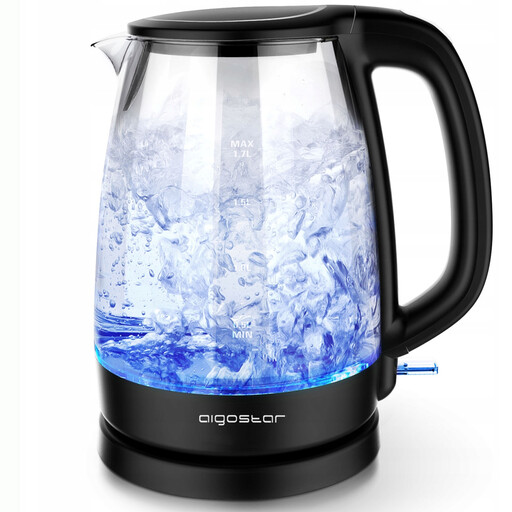
Why This Fits Their Persona: Appeals to users who value modern kitchen aesthetics and health-safe materials. The blue LED illumination turns the boiling process into a visual experience.
This model avoids the material flaw trap by using taste-neutral borosilicate glass and a stainless steel (SUS304) heating plate.
A combination of attractive design (glass kettle with LED lighting) and high-quality, food-safe materials for pure taste.
We have compiled a complete, up-to-date list of products that fully meet these strict selection criteria and safety regulations.
The frequency of descaling depends on the water hardness in your area. With hard water, descaling every four to eight weeks is recommended. Use commercial descalers based on citric acid or a 1:1 mixture of water and vinegar essence. Let the solution sit (do not boil, to avoid harsh fumes) and then rinse the appliance thoroughly with clean water at least twice.
Consumption depends on the power (wattage) and duration of use. A 2200-watt appliance that takes three minutes to boil one litre of water consumes about 0.11 kWh of electricity. The most important factor for saving energy is to only ever heat the amount of water you actually need.
Both materials are excellent choices regarding taste neutrality and hygiene. A glass kettle allows for easy monitoring of the water level and cleanliness but is potentially more fragile. A stainless steel kettle is very robust and durable, but its outer casing can get hot on simpler models. The choice ultimately depends on your personal priorities regarding aesthetics, robustness, and handling.