
Lieferung heute & morgen

Qualitätsgarantie

Willkommens-Angebote freischalten: KOSTENLOSE Lieferung | Bis zu 80 % RABATT | Kostenlose 30-Tage-JoyPlus-Testphase
App herunterladen
Choosing a new electric toothbrush can quickly become overwhelming. Manufacturers advertise a vast array of features, technologies, and designs. However, not every innovation offers real added value for your daily oral hygiene. In fact, the most heavily promoted features often lead to unnecessary expenses or prove impractical in everyday use. To help you make an informed decision, we'll highlight the most common pitfalls and the criteria that truly matter.
Common Pitfalls When Buying an Electric Toothbrush:
Instead of being swayed by marketing promises, you should base your choice on objective, technical parameters. Three features are particularly important for effective and safe cleaning.
The two dominant technologies on the market are sonic toothbrushes and oscillating-rotating models.
Both systems can achieve a thorough clean when used correctly. The choice is often a matter of personal preference regarding the brushing sensation.
Applying too much pressure while brushing is one of the main causes of gum recession and enamel damage. A toothbrush with a pressure sensor is therefore an indispensable feature, especially for those with sensitive gums. Modern devices warn the user with a visual signal (e.g., a light-up ring), a vibration in the handle, or an automatic reduction in brushing intensity. This helps you learn and maintain a gentle yet effective brushing technique.
Before making a purchase, you should check the cost and availability of compatible replacement brush heads. It is recommended to change the brush head every three months. Calculate the cost for one year to get a realistic estimate of the total investment. For popular systems like Philips Sonicare brush heads or Oral-B brush heads, there is often a wide selection of specialized heads, for example, for whitening or sensitive teeth, which differ in price and performance.
Based on the objective criteria mentioned, we have identified a few models that are well-suited for different user profiles.
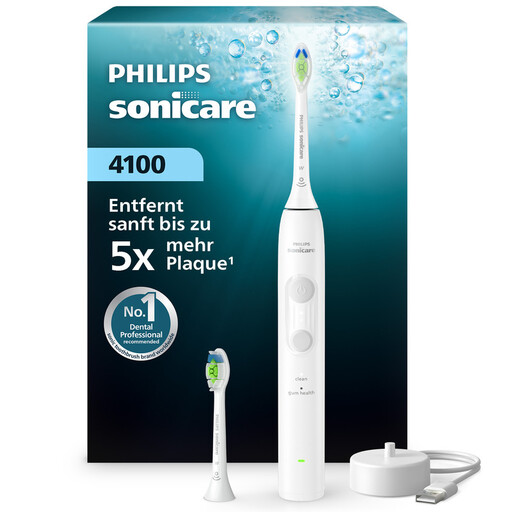
Why it's a great fit: This model provides the essential features for a thorough and safe clean without bloating the budget with rarely used extras. It's a solid choice for anyone switching from a manual toothbrush.
The device focuses on core functions like the pressure sensor and timer, rather than relying on complex app integration. The follow-up costs for brush heads are moderate compared to high-end series.
Features a haptic pressure sensor that vibrates when too much pressure is applied. The Easy-Start program gradually increases intensity over the first 14 uses to ease the transition.
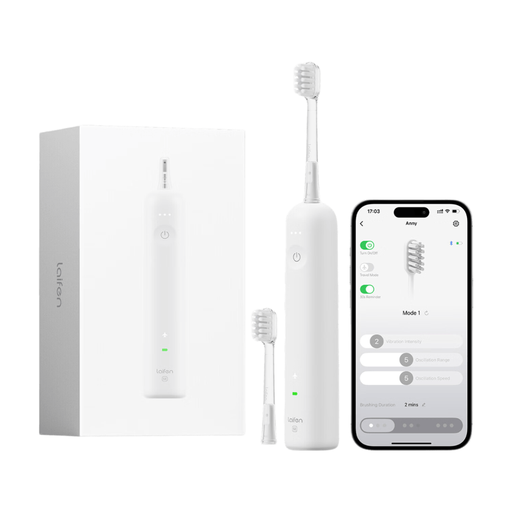
Why it's a great fit: For users who value innovative technology and personalization. The combination of oscillation and vibration in one device offers a novel approach to dental cleaning.
The app is not just for tracking; it allows for deep customization of the mechanical brushing action (oscillation range, vibration strength). The long battery life and modern USB-C charging offer practical benefits.
A unique dual-action system with 60° oscillation and simultaneous vibration. The app allows for up to 1,000 setting combinations to precisely tailor the brushing experience to your needs.
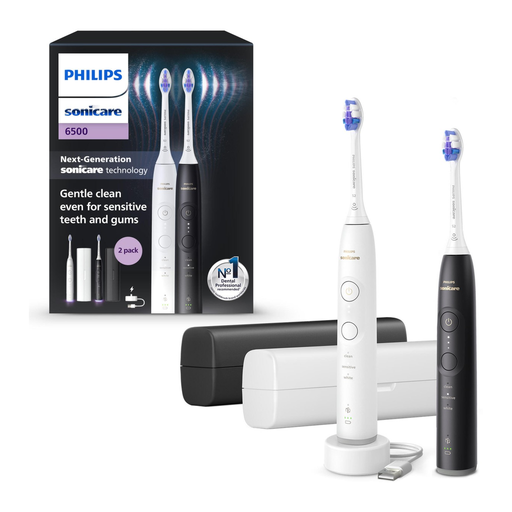
Why it's a great fit: Perfect for users who want a powerful clean but also place a high priority on protecting sensitive gums. The multiple settings allow for a very gentle application.
The modes and intensity levels aren't just for marketing; they offer a tangible, noticeable benefit for users with sensitivities. The visual pressure sensor is a clear, preventative safety feature.
Offers 3 cleaning modes (Clean, White, Sensitive) and 3 intensity levels, allowing for 9 individual combinations. The package already includes brush heads for sensitive teeth (S2 Sensitive).
The cleaning performance of an electric toothbrush depends heavily on the brush head used. It's the component that does the actual work. Manufacturers offer a variety of specialized brush heads tailored to different needs:
When buying replacement brushes, always check for compatibility with your handle. Original brush heads are designed to ensure optimal performance and fit for their respective systems.
While the handle provides the technology, the brush head is crucial for the result. A clean, white brush head is not only hygienic but also often an indicator that it's time for a replacement.
Dentists and manufacturers generally recommend replacing the brush head every three months. Worn-out bristles clean less effectively and can damage your gums. Many modern brush heads feature indicator bristles that fade to show when a replacement is due.
Yes, electric toothbrushes are often particularly well-suited for sensitive gums, provided you choose the right model and the appropriate brush head. Look for a toothbrush with a pressure sensor to avoid applying too much force. Also, use a sensitive mode and special brush heads with soft bristles.
The main difference lies in the movement of the brush head. A sonic toothbrush has an elongated head that vibrates at a high frequency (side-to-side sweeping motions). An oscillating toothbrush has a round head that rotates back and forth rapidly, often while pulsating. Both technologies are effective at removing plaque; the choice usually depends on personal preference for the brushing sensation.