
Lieferung heute & morgen

Qualitätsgarantie
App herunterladen
Kategorien
Enamel is the outermost protective layer of the teeth and the hardest substance in the human body. Its primary function is to protect the more sensitive underlying dentin from thermal stimuli, mechanical abrasion, and chemical attacks from acids in food. The erosion of this protective shield, often caused by acidic foods and drinks, can lead to increased tooth sensitivity and a higher risk of cavities. Specialised toothpastes aim to slow this process and strengthen enamel by supporting the remineralisation of the tooth surface.
Choosing a suitable toothpaste is based on an analysis of its active ingredients and how they work. Two ingredients are particularly relevant in this context: fluoride and hydroxyapatite.
Fluoride: These compounds, particularly amine fluoride or stannous fluoride, have been an established component in cavity protection for decades. Fluoride ions integrate into the tooth enamel, forming fluorapatite. This substance is more resistant to acid attacks than the enamel's natural hydroxyapatite. Fluoride promotes remineralisation by attracting minerals from saliva and aiding their deposition into demineralised areas of the enamel.
Hydroxyapatite: This active ingredient is biomimetic, meaning it mimics the natural structure of tooth enamel. Hydroxyapatite toothpaste contains fine particles that are chemically very similar to human tooth enamel. When used, these particles adhere to the tooth surface, fill microscopic defects, and form a protective layer. This process can help repair enamel and smooth the surface, which can make it more difficult for plaque to adhere.
The choice of product should be guided by the specific indication. For toothpaste against acid-induced enamel erosion, formulations that build high resistance to acids are beneficial. For users needing toothpaste for sensitive teeth, relevant products are those that either block nerve signals in open dentin tubules or build a protective layer over them. Some products combine multiple mechanisms of action to offer more comprehensive protection.
The following products were selected based on their ingredients, specific mechanism of action, and intended use case.
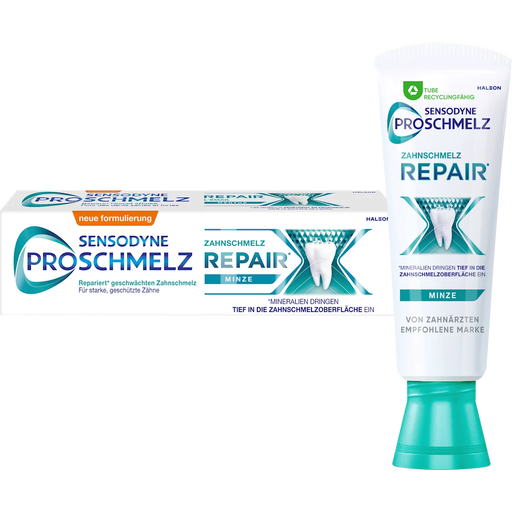
Why we recommend it: This product is specifically designed to protect against acid-induced enamel erosion. Its formulation aims to actively remineralise and harden weakened enamel. According to the manufacturer, the toothpaste builds a resistance to dietary acids that is twice as strong, starting from day one.
Benefits:
Best for: Individuals who want to specifically address enamel erosion caused by acids in food and drinks and make their teeth more resilient.
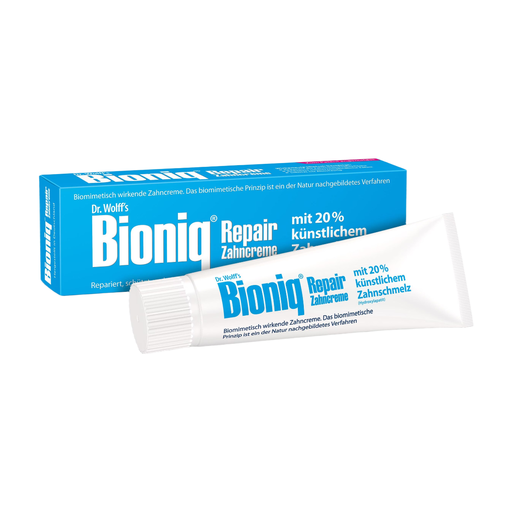
Why we recommend it: Bioniq Repair Toothpaste uses biomimetic hydroxyapatite as its core active ingredient. This approach is inspired by nature to repair microscopic defects on the enamel surface. By filling these imperfections, it creates a smoother surface, which can reduce sensitivity.
Benefits:
Best for: Users looking for a hydroxyapatite-based solution to repair enamel, smooth the tooth surface, and reduce sensitivity.
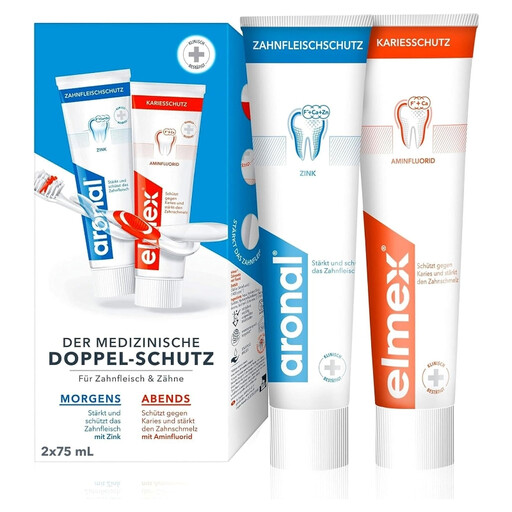
Why we recommend it: This set offers a 2-phase system for morning and evening dental care. The aronal toothpaste for the morning contains zinc to strengthen gums and fight plaque. The elmex toothpaste for the evening uses highly effective amine fluoride to remineralise enamel overnight and build a protective shield against cavities.
Benefits:
Best for: Individuals who prefer a structured and comprehensive care routine that combines both gum protection and intensive enamel remineralisation with amine fluoride.
Comprehensive oral health considers the needs of all family members. While the products featured here target the specific enamel restoration needs of adults, protecting teeth is fundamental from an early age. There are specially developed products for the unique needs of younger users. You can find a selection of children's dental care items in our Children's Oral Care category.
1. Can tooth enamel fully regenerate? Once lost, tooth enamel cannot be regenerated by the body. However, the process of remineralisation can repair initial damage at a microscopic level. Active ingredients like fluoride and hydroxyapatite support this process by depositing minerals into the enamel, hardening it, and filling microscopic cracks.
2. What is the functional difference between hydroxyapatite and fluoride? Hydroxyapatite acts as a biomimetic 'building material' that bonds to the tooth surface and fills in small defects, much like a repair compound. Fluoride acts as a 'hardening agent' that integrates into the enamel structure, converting it into the more acid-resistant fluorapatite, which strengthens the enamel from within.