
Lieferung heute & morgen

Qualitätsgarantie

Willkommens-Angebote freischalten: KOSTENLOSE Lieferung | Bis zu 80 % RABATT | Kostenlose 30-Tage-JoyPlus-Testphase
App herunterladen
An ergonomic chair is more than just a place to sit; it's a tool for focus and well-being, whether in a home office or a corporate setting. But the market is flooded with models that promise to be "ergonomic" yet fail to deliver. Making the wrong choice not only wastes money but can also worsen existing posture problems.
As a Joybuy Product Recommendation Officer, I analyse product data and customer feedback daily. I consistently see the same pitfalls that buyers should avoid. This guide will show you what truly matters and how to sidestep common marketing traps.
Many chairs look convincing at first glance but reveal their weaknesses only after a few weeks of use. Pay close attention to these three points to avoid a poor investment.
To find a suitable chair that will support you for years to come, you should focus on objective and verifiable criteria.
A true ergonomic chair adapts to your body, not the other way around. The following adjustment options are essential:
The quality of the components determines longevity and comfort.
Instead of making a one-size-fits-all recommendation, we have selected models that meet specific user profiles and deliberately avoid the pitfalls mentioned.
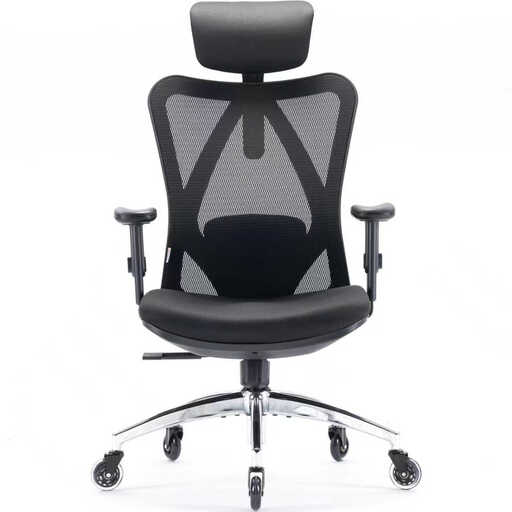
Why This Fits Their Persona: Ideal for people who spend many hours at their desk every day. The comprehensive adjustment options allow for precise customisation to one's own body and work style.
This chair isn't just ergonomic in name only. It offers five separate adjustment points (backrest, headrest, seat height, tilt, armrests) and is BIFMA and SGS certified, which proves the stability of its mechanism.
The combination of a breathable mesh back and adjustable lumbar support ensures comfort even on long workdays. The high weight capacity of up to 150 kg speaks to its robust construction.
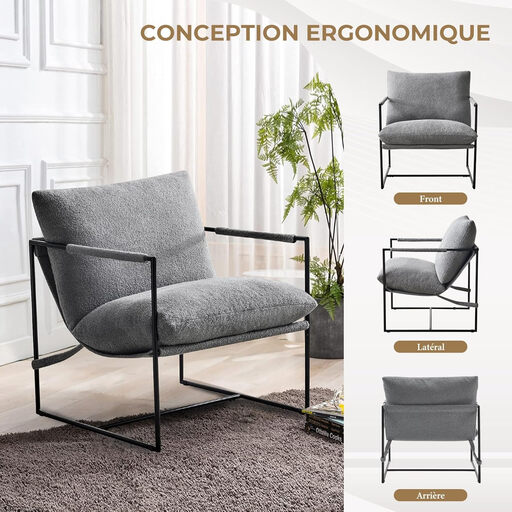
Why This Fits Their Persona: Perfect for anyone looking to make a design statement in their living room, bedroom, or study without sacrificing comfort. Ideal as a reading chair or lounge chair.
This armchair avoids the unsuitable material trap by being clearly designed for relaxation, not intensive office work. The bouclé fabric is ideal for this purpose—soft, stylish, and comfortable.
The sturdy metal frame supports up to 137 kg. A practical detail is the removable and machine-washable cushion covers, which make cleaning significantly easier.
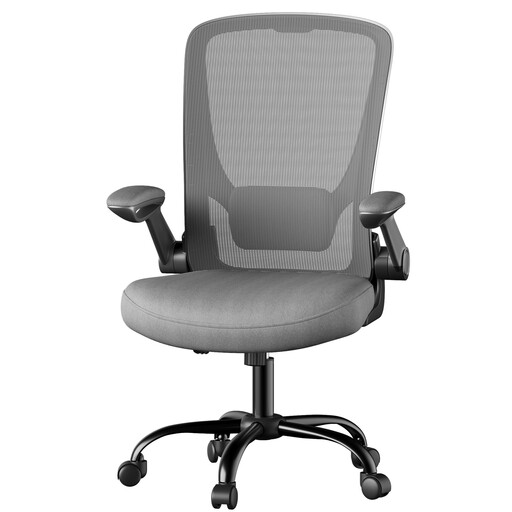
Why This Fits Their Persona: A pragmatic solution for users with limited space who don't want to forgo basic ergonomic features. Ideal for students or for occasional home office use.
This model bypasses the empty 'ergonomic' promise trap by focusing on essential, functional features: an adjustable lumbar support and flip-up armrests that offer real added value.
The flip-up armrests are the standout feature. They allow the chair to be pushed completely under the desk, saving valuable space when not in use.
We have compiled a complete, up-to-date list of products that meet these strict selection criteria and comply with current safety regulations.
The lifespan of an ergonomic chair heavily depends on the intensity of use, material quality, and maintenance. A high-quality model with a solid steel frame and certified components can easily last 5 to 10 years with daily use in an office or home office. On cheaper models, the castors or the gas lift are often the first parts to wear out, causing problems after 2 to 3 years.
There's no one-size-fits-all answer; it depends on your priorities.
For a dedicated workspace where you sit focused for many hours, a mesh back is often the more pragmatic choice.
Correct adjustment is crucial for comfort. Follow these steps in order: