
Lieferung heute & morgen

Qualitätsgarantie

Willkommens-Angebote freischalten: KOSTENLOSE Lieferung | Bis zu 80 % RABATT | Kostenlose 30-Tage-JoyPlus-Testphase
App herunterladen
Prolonged periods of sitting at a desk, whether for gaming or working from home, place significant strain on the body. An ergonomic gaming chair is engineered to mitigate this strain through targeted support and customisable adjustability. Selecting the right model requires an analysis of technical specifications, materials, and adjustment mechanisms. This article serves as a guide to help you identify a chair that meets your functional requirements.
The decision to purchase a chair should be based on objective criteria. The following technical aspects are relevant for making an informed choice.
A chair is only truly ergonomic if it can be adapted to your individual body shape.
The material affects comfort, durability, and maintenance.
The maximum weight capacity is a key indicator of safety and quality. Models are often rated for 130 kg to 150 kg. Compare the chair's dimensions (seat width, seat depth, backrest height) with your own body measurements to ensure a proper fit.
Based on an analysis of technical specifications and functional features, we present three models.

Why We Feature This Product: This model combines the aesthetics of an armchair with the functionality of a gaming chair. The breathable faux suede and pocket spring cushioning are designed for superior comfort during long sessions. The integrated, detachable footrest and wide backrest recline angle offer flexible usage options.
Pros:
Who It's For: Users looking for a desk chair with a footrest who value soft, sofa-like cushioning. Ideal for home office users and gamers who need an all-rounder for various seating scenarios.
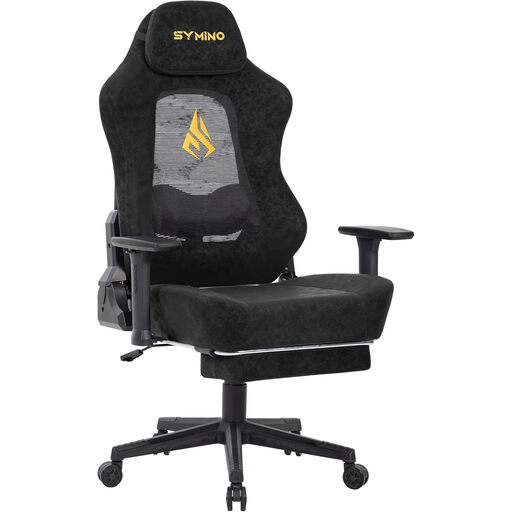
Why We Feature This Product: This model focuses on advanced ergonomics and climate control. The cut-out mesh backrest maximises air circulation, while the adaptive 3D lumbar support dynamically conforms to the spine. The wingless seat design offers unrestricted freedom of movement.
Pros:
Who It's For: Users who tend to overheat during long gaming sessions or intensive office work. The chair is an excellent choice for individuals who require precise, dynamic back support and a high weight capacity.
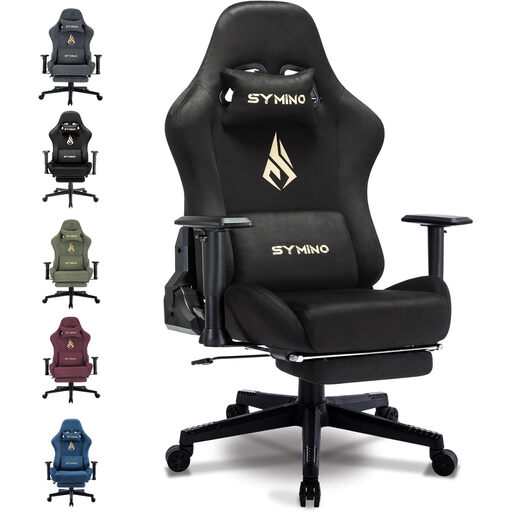
Why We Feature This Product: This gaming chair features an exceptionally soft and breathable fabric cover reminiscent of fur. It comes with separate head and lumbar pillows, which provide targeted and customisable support. The combination of the fabric upholstery, footrest, and a recline angle of up to 150° makes it a comfortable gaming armchair.
Pros:
Who It's For: Users who prefer a very soft and tactilely pleasing cover and appreciate flexible support from adjustable pillows. It is well-suited for extended leisure and gaming use.
If the models presented here do not exactly meet your requirements, or if you are looking for an executive chair in black with different specifications, you can find a wider selection of options in our Gaming PC Chair category. There, you can compare various designs and feature sets.
1. What is the functional difference between a gaming chair and an office chair? A gaming chair is often characterised by a taller backrest with an integrated headrest and pronounced side bolsters, inspired by the design of racing seats. Additionally, gaming chairs frequently offer a wider backrest recline angle (often up to 180°) and extra features like a footrest. An ergonomic office chair typically focuses on more subtle but equally important adjustment mechanisms, such as seat depth adjustment and a synchronous tilt mechanism.
2. What role does the material play in choosing a chair? The material has a direct impact on seating comfort and maintenance. PU leather is easy to clean but less breathable. Fabric and mesh covers offer better air circulation, which is advantageous during long sessions, but they can be more susceptible to stains. The choice depends on personal preferences and the usage environment.
3. How important is a footrest on a gaming chair? A footrest is a functional addition for periods of relaxation. In a deeply reclined position, it relieves pressure on the legs and promotes blood circulation. For active, upright work or focused gaming, it is less relevant and is often retracted. Its utility largely depends on the individual use case—specifically, whether the chair will also be used for lounging.