
Lieferung heute & morgen

Qualitätsgarantie

Willkommens-Angebote freischalten: KOSTENLOSE Lieferung | Bis zu 80 % RABATT | Kostenlose 30-Tage-JoyPlus-Testphase
App herunterladen
Waking up with a stiff neck is a common problem that can significantly impact your quality of life. The culprit is often an unsuitable pillow that fails to properly support the cervical spine throughout the night. Choosing the right pillow is therefore not a luxury, but a crucial decision for achieving restful sleep and promoting overall well-being.
This guide is designed to help you understand the function and features of ergonomic pillows. We will introduce a selection of products and provide you with objective information so you can make an informed decision tailored to your individual needs.
With so many options on the market, the search for the right pillow can be overwhelming. The following three criteria will help you narrow down the choices and find a model that's right for you.
The material is a key determinant of a pillow's comfort and support. Memory foam pillows are a popular choice because the material uses body heat and pressure to conform to the contours of your head and neck. This ensures even pressure distribution and can help prevent tension. Pay attention to the foam's density and responsiveness. A pillow with slow-rebound properties offers gentle yet stable support. Other materials like latex or special fibre fills offer alternative properties regarding breathability and firmness.
Ergonomic pillows come in various shapes designed for different sleeping positions. A classic cervical pillow often has a wave-like contour with two sides of different heights to provide adequate support for both back and side sleepers. For dedicated side sleepers, a higher and firmer side sleeper pillow may be beneficial to bridge the gap between the head and the mattress, keeping the spine in a straight line. Models designed for all sleeping positions usually feature special cutouts and zones that allow for versatile use.
The correct pillow height is crucial to avoid unnatural curvature of the cervical spine. The ideal height depends on your shoulder width and preferred sleeping position. As a rule of thumb, side sleepers generally need a higher pillow than back sleepers. Stomach sleepers should use a very flat pillow, or no pillow at all, to prevent hyperextension of the neck. Some pillows offer adjustable height via removable foam layers, allowing for fine-tuned customisation.
Based on the criteria above, we have compiled a selection of products that cater to different needs and use cases.
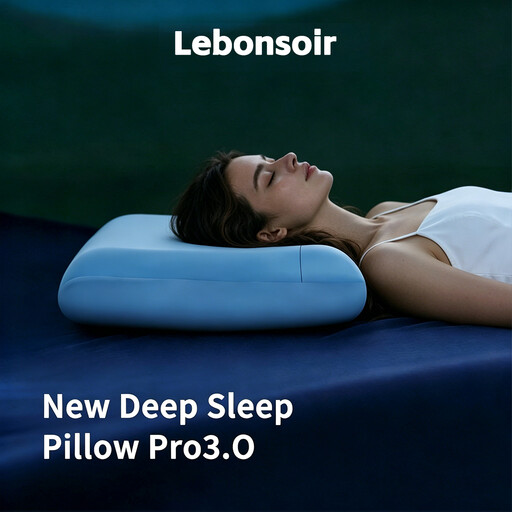
This pillow is an interesting Atour Planet Pillow alternative and is aimed at users seeking a balanced combination of comfort and support.
Why it stands out: The core of this pillow is its 3-layer foam construction. The top layer of slow-rebound memory foam gently cradles the head and neck. Beneath it, a support foam layer prevents the head from sinking too deeply, while the bottom layer provides a stable base. This structure offers progressive support.
Benefits:
Who it's for: Individuals with neck and shoulder pain, office workers, and anyone looking for a versatile orthopaedic pillow that adapts to different sleeping styles.
View Product: Lebensoir Ergonomic Neck Support Pillow 3.0

Neck pain doesn't just develop at night. Poor posture during the day, especially on long car rides or in the office, is a common cause. This lumbar cushion addresses posture at its source.
Why it stands out: The cushion uses a Golden Triangle structure to precisely fill the gap between your lower back and the seat. It provides targeted support to the lumbar spine and tailbone, which relieves pressure on the entire spine and indirectly improves neck posture.
Benefits:
Who it's for: Drivers, office workers, and anyone who spends many hours sitting and wants to proactively improve their posture to prevent tension throughout the back and neck.
View Product: Lumbar Support Cushion for Car Seats
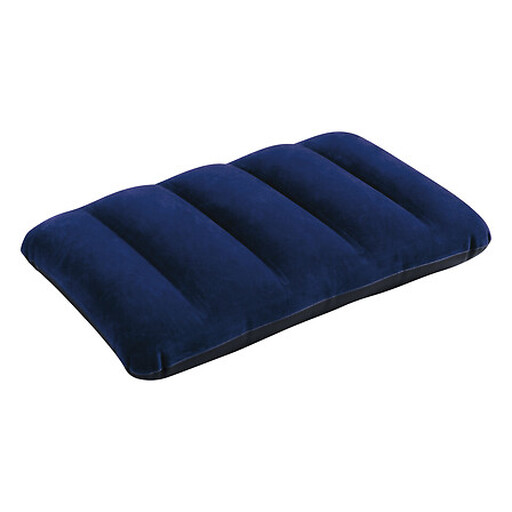
Ergonomic support shouldn't end at home. When travelling, on a train, or camping, an unsuitable or missing pillow can quickly lead to neck pain.
Why it stands out: This pillow combines portability with comfort. When deflated, it's extremely compact but can be quickly inflated into a supportive pillow. The flocked, velvet-like surface feels pleasant against the skin and prevents the typical "stickiness" of plastic.
Benefits:
Who it's for: Travellers, campers, and anyone looking for a flexible and portable solution for neck support on the go.
View Product: INTEX 5Five Inflatable Pillow
The selection presented here covers various use cases. However, if you are looking for specific features like special cooling technology or different materials, there are more alternatives to discover.
Browse our extended collection to find the perfect model for you. Discover our selection of breathable pillows here
An adjustment period of a few days to two weeks is normal. Your body needs to adapt to the new, correct sleeping posture. For the first few nights, the pillow might feel unfamiliar or even slightly uncomfortable. It's advisable to give the pillow a chance for at least one week.
Side sleepers typically need a higher and firmer pillow that fills the space between their ear and shoulder, allowing the spine to maintain a straight line. An ergonomic neck pillow with a pronounced contour or a special side sleeper pillow is often a good choice. Make sure the pillow doesn't push your shoulder upwards.
The core of a memory foam pillow should generally not be machine washed or put in a dryer, as this would damage the foam's structure. Most pillows come with a removable, washable cover. For the foam core itself, spot cleaning with a damp cloth and a mild detergent is recommended. Air out the pillow regularly in a shady, well-ventilated area. Always follow the manufacturer's care instructions.