
Lieferung heute & morgen

Qualitätsgarantie

Willkommens-Angebote freischalten: KOSTENLOSE Lieferung | Bis zu 80 % RABATT | Kostenlose 30-Tage-JoyPlus-Testphase
App herunterladen
By Joybuy Product Recommendation Officer, July 28, 2026
A stiff neck in the morning is a common problem that can significantly impact your quality of life. Often, an unsuitable pillow is the cause of tension that radiates into the shoulders and back. An ergonomic neck pillow is designed to keep the cervical spine in a neutral position, contributing to a restful night's sleep.
However, the market is saturated with products making lofty promises. To help you make an informed decision and avoid a poor purchase, we'll highlight the most common pitfalls and the crucial criteria you should look for.
Many buyers invest in a supposedly high-quality pillow, only to find it doesn't solve their problems or even makes them worse. This is often due to clever marketing that distracts from fundamental functional flaws.
Instead of being swayed by marketing promises, you should base your choice on objective, functional features. These three parameters are crucial for a pillow's performance and longevity.
The core material determines how well your head and neck are supported. Memory foam pillows (also known as viscoelastic foam) are a popular choice because they adapt to your contours through body heat and pressure.
Look for high-density foam. It not only offers better and more durable support but also returns to its original shape more slowly (the "slow-rebound effect"). This ensures stable, pressure-relieving support throughout the night. In contrast, a low-density orthopaedic pillow can cause the head to sink too deeply, forcing the spine out of alignment.
The shape of the pillow should support the natural curve of your cervical spine. Many ergonomic pillows have a wave-like shape with two different heights to accommodate various needs.
A good cervical pillow is more than just a block of foam. It features thoughtful contouring that provides targeted support to specific areas. For example, a central depression can gently cradle the head and facilitate breathing, while raised side sections support the neck. This targeted design helps take pressure off sensitive nerve pathways and can play a supportive role in relieving tension, making it a helpful pillow for shoulder pain.
Based on the criteria above, we have identified a few products that are well-suited for different user profiles and their specific needs.
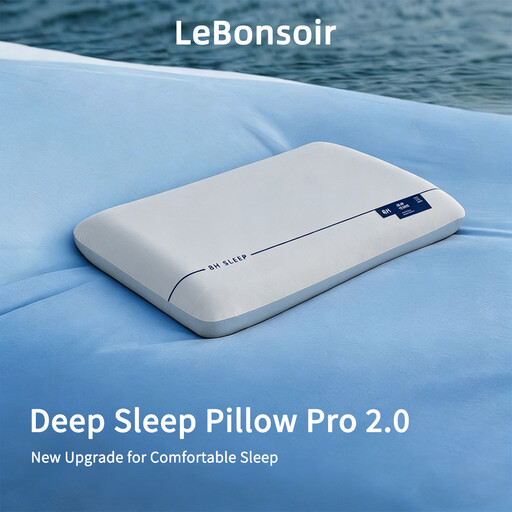
Why This Fits Their Persona: Ideal for individuals who frequently change their sleeping position throughout the night. Its balanced contour provides reliable support in both back and side sleeping positions without being too restrictive.
Instead of promising a universal fit, this pillow offers a versatile design that adapts to different positions, bypassing the "one-size-fits-all" myth with flexible functionality.
The slow-rebound memory foam ensures consistent, pressure-relieving support. The central indentation is designed to promote a stable head position.
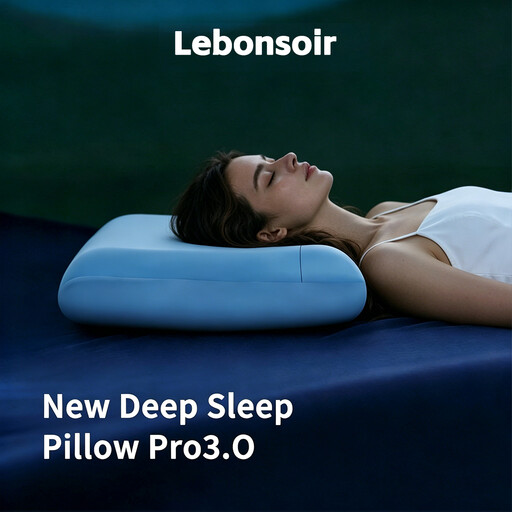
Why This Fits Their Persona: Suitable for office workers or individuals with chronic tension who need firm, reliable support to keep the spine in a neutral alignment all night long.
This pillow bypasses the low-quality foam trap with a 3-layer construction. It combines a soft top layer with firmer support and base layers to prevent sagging.
The multi-layer construction offers progressive support: soft on the surface but with a firm core that stabilises the cervical spine. The cover is designed for breathability and moisture management.
We have compiled a complete, up-to-date list of products that fully meet these strict selection criteria and German safety regulations.
An adjustment period of one to two weeks is normal. Your body and muscles may have adapted to an incorrect sleeping posture over many years. Give yourself some time for your neck and shoulder muscles to adjust to the new, correct alignment.
The ideal height depends on your build and sleeping position. As a rule of thumb for side sleepers, the pillow should be high enough to fill the space between your ear and shoulder, allowing the spine to form a straight line. Back sleepers generally need a lower profile to avoid hyperextending the neck. Check the manufacturer's recommendations, which are often based on body height or shoulder width.
A pillow is not a medical cure. However, a pillow for shoulder pain can serve a supportive function, especially for side sleepers. If a pillow is too low, the head tilts downwards, putting additional pressure and strain on the shoulder muscles. An ergonomic pillow of the correct height can help keep the spine and shoulders in a neutral position, thus reducing muscle strain during sleep.