
Lieferung heute & morgen

Qualitätsgarantie

Willkommens-Angebote freischalten: KOSTENLOSE Lieferung | Bis zu 80 % RABATT | Kostenlose 30-Tage-JoyPlus-Testphase
App herunterladen
Long days at the desk, intense gaming sessions, or focused study periods—many of us spend a significant part of our day sitting down. This often leads to neck tension, lower back pain, and poor posture. The right chair, therefore, isn't an afterthought; it's a fundamental requirement for well-being and productivity.
This guide is designed to help you understand the features that define a good ergonomic office chair. We'll introduce a selection of models tailored to different needs and provide you with objective criteria to make an informed decision.
The market for office chairs is vast, and advertising claims are plentiful. To make the right choice, you should focus on a few core features that make a real difference to your comfort and health.
A chair is only truly ergonomic if it adapts to your body—not the other way around. Look for the following adjustment options:
The durability and safety of a chair depend directly on the materials used and its construction.
Not every user has the same needs. A back-friendly office chair for a home office has a different focus than a chair for extended gaming sessions.
Based on the criteria above, we have compiled a selection of chairs that stand out for their functionality and intended use.
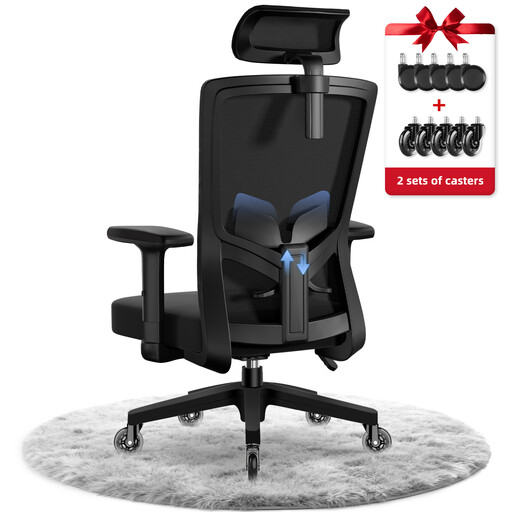
Why It Stands Out: This model is a versatile all-rounder, distinguished by its comprehensive adjustment options and breathable mesh fabric. It is ideal for long workdays where good ventilation and precise customisation are essential.
Pros:
Who It's For: Home office or corporate professionals who need a flexible, adjustable, and breathable chair for daily, multi-hour use.
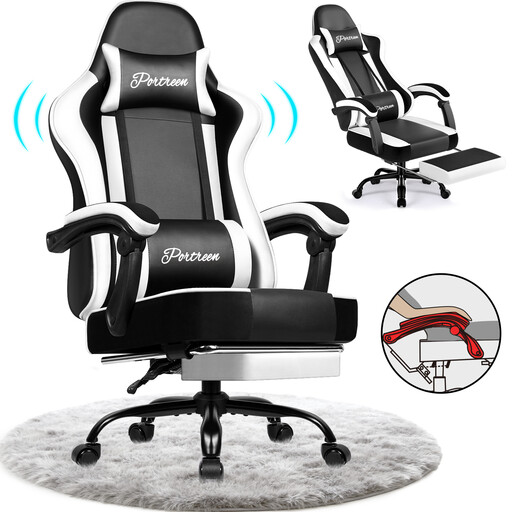
Why It Stands Out: This chair combines the ergonomics of an office chair with the comfort features of a gaming seat. The retractable footrest and deeply reclining backrest make it the ideal choice for users who also want to use their chair for relaxation.
Pros:
Who It's For: Gamers and users looking for a multifunctional chair that is suitable for both focused work and relaxing breaks, watching movies, or console gaming.
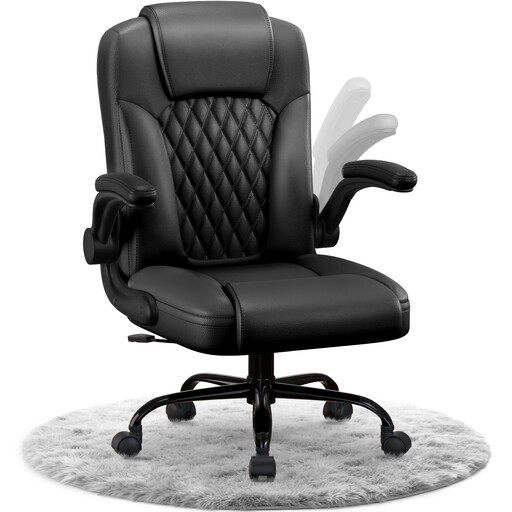
Why It Stands Out: This model blends a classic executive look in PU leather with modern ergonomic features. It focuses on superior seating comfort through multi-layered padding and practical details like flip-up armrests.
Pros:
Who It's For: Users seeking a professional and comfortable chair for the office or home office who value a classic leather look without sacrificing essential ergonomic functions.
Haven't found the right model for your needs yet? Every workspace and every user is unique. Sometimes, specific features are what make the decisive difference.
If you'd like to compare more models with different designs and functions, you can find additional options in our broader selection of armchairs.
Lumbar support is an element in the backrest that supports the natural inward curve of the lumbar spine (lordosis). It fills the gap between your lower back and the backrest, preventing you from slumping into a hunched posture. Essentially, anyone who sits regularly for extended periods can benefit from such support, as it helps keep the spine in a neutral position and relieves pressure on the intervertebral discs.
Proper adjustment is crucial for ergonomic effectiveness. Follow this simple checklist:
The stated maximum weight capacity is a central safety feature. It ensures that all components of the chair—from the gas lift and base to the casters—are designed for a specific weight and will remain stable. Choosing a chair with a capacity well above your own body weight (e.g., a desk chair rated for up to 150 kg) provides an extra safety margin and is often an indicator of a more robust and durable build overall.