
Lieferung heute & morgen

Qualitätsgarantie

Willkommens-Angebote freischalten: KOSTENLOSE Lieferung | Bis zu 80 % RABATT | Kostenlose 30-Tage-JoyPlus-Testphase
App herunterladen
Published on August 29, 2026 by Joybuy Product Recommendation Officer
Long hours at a desk, whether at home or in the office, take their toll. An unsuitable chair not only causes discomfort but can also negatively impact your posture in the long run. However, the market for ergonomic office chairs is flooded with marketing promises that often confuse more than they clarify. Before you make a decision, it's crucial to understand the common pitfalls that can lead to a bad purchase.
A well-informed purchase is based on understanding the core features that make a chair genuinely beneficial.
To find a suitable ergonomic desk chair, you should focus on verifiable features rather than marketing slogans. The following parameters are essential for healthy posture and long-lasting comfort.
Adaptability is at the heart of any ergonomic chair. Look for the following adjustment options:
The durability and comfort of a chair depend directly on the materials used.
Choosing the right chair depends heavily on individual needs and usage scenarios. Here are some recommendations tailored to specific user profiles.
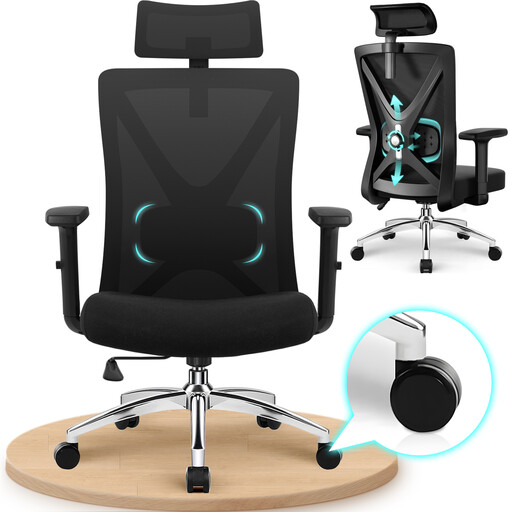
Why it's a good fit: Ideal for starting out in a home office. It provides the necessary core ergonomic functions, like height- and depth-adjustable lumbar support and height-adjustable armrests, without breaking the bank.
This model goes beyond the mere "ergonomic" marketing buzzword by offering concrete, measurable adjustments (6 cm height and 3 cm depth adjustment for the lumbar support).
The S-shaped backrest supports the natural form of the spine. Its 150 kg weight capacity indicates a robust build quality.
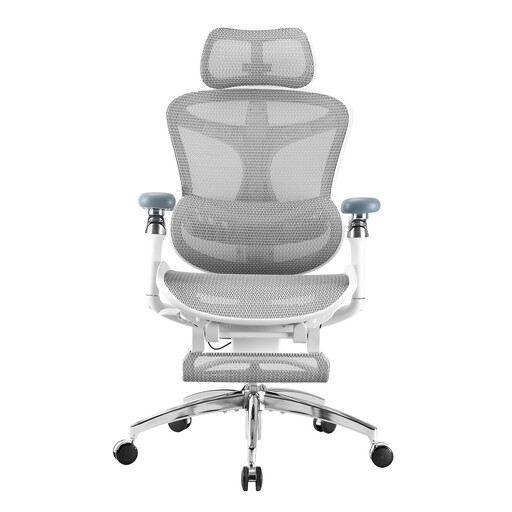
Why it's a good fit: For individuals who sit for over eight hours a day. The highly adaptable 6D armrests, dynamic lumbar support, and seat depth adjustment allow for precise fine-tuning to your body.
This model solves the "one-size-fits-all" problem with maximum customisation. Every component is designed to adapt to different body proportions.
The dynamic lumbar support actively adjusts to the user's movements, promoting a healthy posture. The version with a footrest offers additional relaxation.
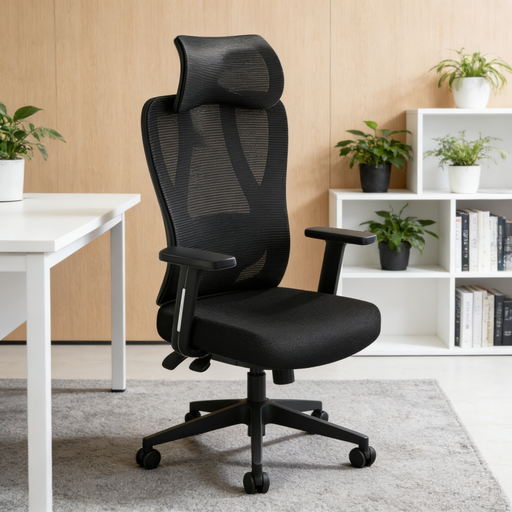
Why it's a good fit: This chair bridges the gap between a professional workstation and a gaming chair. The wide recline angle (up to 140°) and soft cushioning are ideal for relaxed periods, while the 4D lumbar support provides the necessary stability for work.
The breathable 2-layer mesh upholstery addresses the problem of subpar materials. It ensures air circulation and prevents the heat buildup that occurs during long sessions (work or gaming).
Versatility, thanks to the wide recline angle and the 4D pivoting lumbar support, which provides stability in both upright working and reclined positions.
We've compiled a complete, up-to-date list of products that fully meet these strict selection criteria and German safety regulations.
Correct adjustment is key to reaping the benefits. Start with the seat height: your feet should be flat on the floor with your knees at a 90-degree angle. Adjust the seat depth so there are 2-3 fingers of space between the back of your knee and the edge of the seat. The lumbar support should fill the natural curve of your lower back. Set the armrests so your forearms rest on them at a 90-degree angle with your shoulders relaxed.
The lifespan depends on the quality of materials, construction, and intensity of use. A high-quality chair with a solid steel frame, durable upholstery, and a certified gas lift (e.g., to BIFMA or T?V standards) can last 5 to 10 years or more with normal use. Regular maintenance, like tightening screws, can extend its life.
Many modern gaming chairs integrate ergonomic features. However, their design is often geared towards a reclined posture for gaming (racing-style bucket seat). A classic ergonomic desk chair is usually better optimised for an upright, task-oriented work posture. If you're looking for a chair for both purposes, seek out a hybrid model that combines good lumbar support and versatile adjustment options with a comfortable recline angle.