
Lieferung heute & morgen

Qualitätsgarantie

Willkommens-Angebote freischalten: KOSTENLOSE Lieferung | Bis zu 80 % RABATT | Kostenlose 30-Tage-JoyPlus-Testphase
App herunterladen
Long days at a desk, whether in a corporate office or a home office, have become the norm for many. This often leads to neck and back tension, which can impair concentration and overall well-being. A proper ergonomic office chair isn't a luxury item; it's a foundational component of a healthy and productive workspace.
This article serves as your guide. We'll walk you through the key criteria for selecting the right chair and present a curated selection of models designed for prolonged sitting, based on their features and functionality.
The market is filled with a vast array of models, and the differences often lie in the details. To make an informed decision, you should consider the following aspects.
A chair is only truly ergonomic if it can be adapted to your body. Look for these key adjustment options:
A key feature to look for is an office chair with lumbar support. This support in the lower part of the backrest fills the natural curve of your lumbar spine and plays a significant role in relieving back strain. Height-adjustable lumbar support is a major advantage here.
The material affects both the comfort and the durability of the chair. An office chair with mesh fabric is a popular choice, as the material is highly breathable and ensures good air circulation, even during long periods of sitting. Pay attention to the quality of the mesh to ensure it retains its shape after extended use. The base should be made of a robust material like steel or aluminium to guarantee stability.
Certifications like EN 1335 (the European standard for office work chairs) or BIFMA (a US standard) provide information about safety, stability, and durability. These certifications ensure that the chair has passed specific stress tests. Also, check the manufacturer's specified maximum weight capacity to ensure the chair is suitable for your body weight.
Based on the criteria mentioned above, we have compiled a selection of models that stand out for their ergonomic features and functional range.
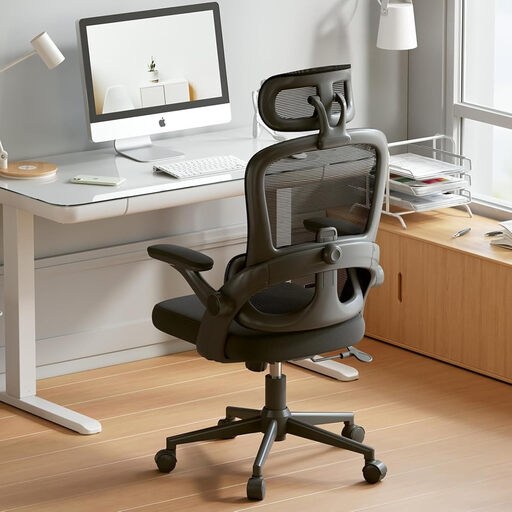
Why It Stands Out: The Sihoo M102C offers a comprehensive suite of ergonomic adjustments. The separately adjustable mesh lumbar support is a particular highlight, allowing for precise customisation for the lower back area.
Pros:
Who It's For? This ergonomically designed desk chair is an excellent choice for users in a home office or corporate setting who are looking for a versatile, adjustable chair with a focus on targeted lumbar support.
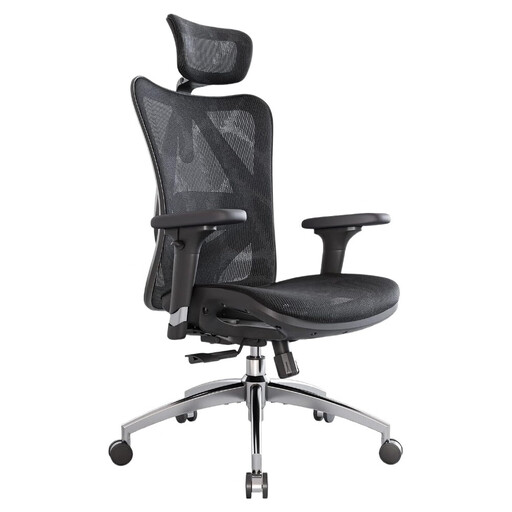
Why It Stands Out: The Sihoo M57S combines an S-shaped backrest that mimics the natural curve of the spine with a high weight capacity and a full mesh design for maximum breathability.
Pros:
Who It's For? This Sihoo office chair is ideal for individuals who need an exceptionally sturdy and breathable chair for intensive, long workdays. Its high weight capacity also makes it a solid option for taller and heavier users.
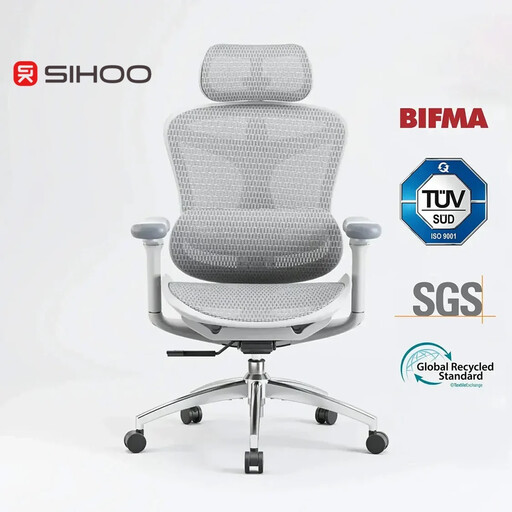
Why It Stands Out: The Sihoo Doro C300 is distinguished by its advanced, adaptive mechanisms. The self-adapting lumbar support and the armrests that synchronise with the recline dynamically adjust to the user's movements.
Pros:
Who It's For? This chair is aimed at users who value cutting-edge ergonomic technology and maximum comfort. It's an excellent choice for a high-end home office chair or for use in modern office environments.
If the models presented don't exactly match what you're looking for, or if you'd like to compare other alternatives, you're sure to find a suitable solution in our broader selection.
? Discover more models in the Chairs with Backrest category here
An office chair is considered ergonomic when it offers a wide range of adjustments to fit the user's individual body measurements and needs. Core features include adjustable seat height, seat depth, customisable armrests, and a backrest with lumbar support. A synchronous mechanism, which supports the upper body when reclining and promotes circulation, is also a key criterion.
Lumbar support is a crucial feature for ergonomic sitting. It supports the natural S-curve of the lumbar spine and prevents the lower back from slumping into an unhealthy, rounded position. This reduces pressure on the intervertebral discs and can help prevent back pain caused by prolonged sitting. Height- and depth-adjustable lumbar support offers the greatest benefit, as it can be positioned precisely.
Start with the seat height: adjust the chair so your feet are flat on the floor and your thighs are parallel to the ground. Adjust the seat depth so there is a gap of about three finger-widths between the front edge of the seat and the back of your knees. Position the lumbar support at the small of your back. Set the armrests so your forearms rest comfortably on them with your shoulders relaxed. Finally, adjust the backrest tension so it gently supports your movements without requiring too much effort to recline.