
Lieferung heute & morgen

Qualitätsgarantie

Willkommens-Angebote freischalten: KOSTENLOSE Lieferung | Bis zu 80 % RABATT | Kostenlose 30-Tage-JoyPlus-Testphase
App herunterladen
Do you often wake up with neck strain or a feeling of being unrested? The cause could be your choice of pillow. An ergonomic pillow is designed to keep your head, neck, and spine in a neutral position to improve sleep quality. However, the market is flooded with products making bold claims. This guide will help you identify the essential features and avoid common purchasing pitfalls.
Many advertising claims are designed for a quick sale but often lead to poor purchasing decisions. Here are two common traps:
To make an informed decision, you should focus on objective criteria. The following three parameters are crucial for the function of an ergonomic pillow.
The material is a key determinant of comfort and support. Memory foam pillows (viscoelastic foam) are a popular choice because they adapt to the contours of your head and neck in response to body heat and pressure. This ensures even pressure distribution. Look for the following properties:
The shape of the pillow should support your preferred sleeping position. A neck support pillow often has a wave-like contour with two sides of different heights to fill the space between the shoulder and head, keeping the cervical spine straight.
A removable and washable cover is essential for hygiene. Most memory foam cores are not machine-washable, so check the manufacturer's care instructions carefully. Covers made from breathable materials like Tencel or cotton can further improve the sleep climate.
Based on the criteria mentioned, we have selected a few products for specific user profiles.
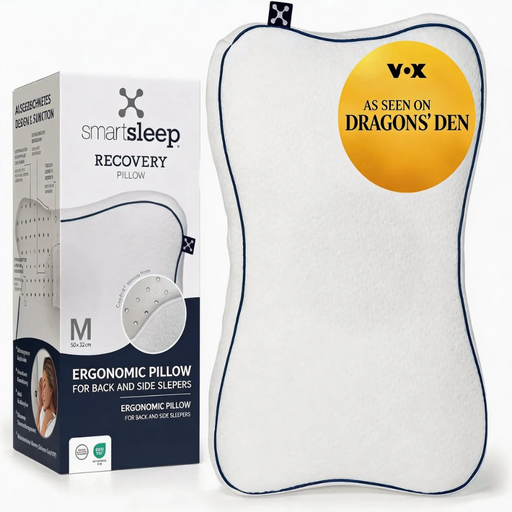
Why it's a good fit: This pillow is specifically designed for the needs of back and side sleepers. Its ergonomic shape with a head cradle aims to promote a natural sleeping position and relieve neck muscles.
It avoids the "one-size-fits-all" approach with a targeted design that addresses the specific requirements of side and back sleeping positions.
The viscoelastic foam core with integrated air channels provides pressure relief and breathability. The material is Oeko-Tex certified.
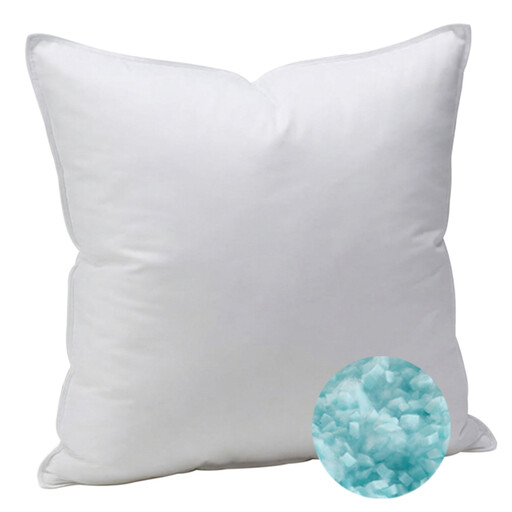
Why it's a good fit: This pillow offers a customisable solution for users who value flexibility. The shredded memory foam filling can be shaped and adjusted as needed to provide suitable support for various sleeping positions.
Instead of a rigid shape that doesn't suit everyone, the adjustable filling allows for individual customisation of height and firmness.
The filling is hypoallergenic and offers the pressure-relieving properties of memory foam in a more flexible, breathable form.
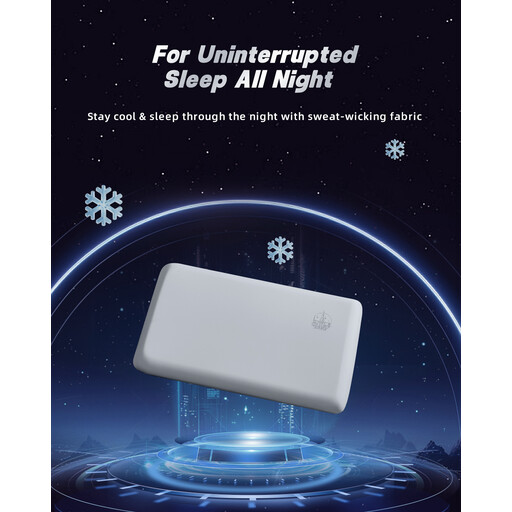
Why it's a good fit: For individuals who tend to overheat at night, this pillow is an excellent option. It combines the supportive properties of memory foam with features designed for enhanced temperature regulation.
It directly addresses the heat retention drawback common in many basic memory foam pillows by explicitly focusing on cooling properties.
The pillow provides ergonomic neck support suitable for all sleeping positions while promoting a more comfortable sleep climate.
We have compiled a complete, up-to-date list of products that fully meet these strict selection criteria and comply with rigorous safety standards.
An adjustment period of a few nights to two weeks is normal. Your body needs to adapt to the new, corrected sleeping posture. Give yourself some time before making a final judgment on the pillow's effectiveness.
The foam core itself should generally not be washed, as water can damage its structure. Air out the pillow regularly. The cover is usually removable and can be machine-washed according to the instructions on the care label.
The ideal height depends on your shoulder width and the firmness of your mattress. As a rule of thumb, the height should match the distance between your ear and the outside of your shoulder. The goal is for your spine to form a straight line from your neck to your pelvis.