
Lieferung heute & morgen

Qualitätsgarantie

Willkommens-Angebote freischalten: KOSTENLOSE Lieferung | Bis zu 80 % RABATT | Kostenlose 30-Tage-JoyPlus-Testphase
App herunterladen
Finding the right espresso machine can quickly become overwhelming. The market is filled with tempting offers promising café-quality coffee at home. However, not every machine delivers on its advertising promises. Many buyers invest in features they don't need or overlook critical flaws that spoil the coffee experience and lead to ongoing costs. Before you make a decision, it's important to know the most common pitfalls.
1. The High Pump Pressure Trap: Manufacturers often advertise 15 bars or even 19 bars of pump pressure as a mark of quality. In practice, however, a pressure of around 9 bars directly at the group head is needed to extract an optimal espresso. Extremely high pump pressure can extract the coffee unevenly and lead to a bitter taste instead of enhancing the aroma. More important than the maximum rating is a system that operates consistently and precisely.
2. The Hidden Cleaning Effort of Fully Automatic Machines: A fully automatic coffee machine with a "one-touch" cappuccino function sounds appealing. The reality, however, is often a complex milk system whose daily cleaning is time-consuming and prone to error. If cleaning is neglected, milk residue can build up, which is not only unhygienic but can also impair the machine's function and lead to expensive repairs.
3. The Compromise of the Integrated Grinder: An espresso machine with a grinder saves space, but especially in budget-friendly models, the integrated grinder is often the biggest weakness. A lack of adjustment options and an inconsistent grind result prevent the full potential of the coffee beans from being unlocked.
To avoid a bad purchase, you should base your decision on objective criteria that match your personal needs.
The first and most important question concerns the type of machine. Each type offers different advantages in terms of convenience, control, and cost.
The heart of every espresso machine is the brew group. A constant brewing temperature is crucial for repeatable, high-quality coffee. Machines with a Thermoblock heating system heat up quickly, while models with a boiler often offer greater temperature stability. Look for details on temperature control (e.g., NTC sensors), as these ensure a consistent extraction.
If you regularly enjoy milk-based drinks like cappuccino or latte macchiato, the type of coffee machine with a milk frother is an important factor.
Here are some recommendations tailored to different user profiles and their specific requirements.
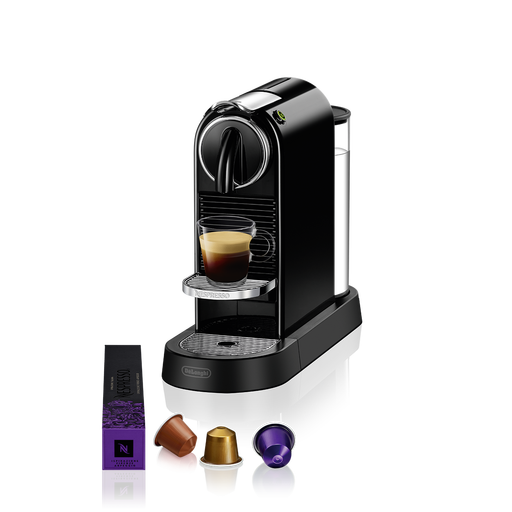
Why this model is a great fit: Ideal for anyone who wants a quick and consistently good espresso with no effort or learning curve. The ultra-compact design also fits into small kitchens.
This capsule machine completely bypasses the hidden cleaning effort trap. There is no complex milk system, and the used capsule is automatically ejected. Maintenance is limited to emptying the capsule container and regular descaling.
Fast Heat-Up Time: Ready to use in just 25 seconds. Simple Operation: Two programmable buttons for Espresso and Lungo with an automatic flow-stop function.
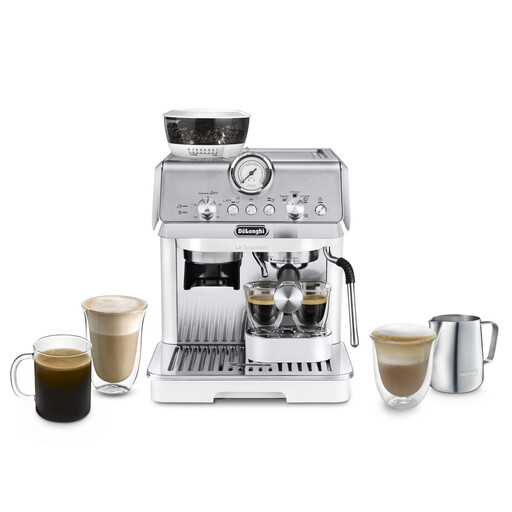
Why this model is a great fit: For coffee lovers who want to take control of the brewing process and perfect their latte art. It provides the necessary tools and control of a true portafilter machine.
This model avoids the trap of a subpar integrated grinder. With 8 grind settings and a complete barista kit (tamper, dosing funnel), it provides a solid foundation for precise extraction that goes far beyond simple all-in-one solutions.
My LatteArt System: A professional-grade steam wand for creating fine microfoam for creative latte art. Complete Barista Kit: Everything you need to get started is included in the box.
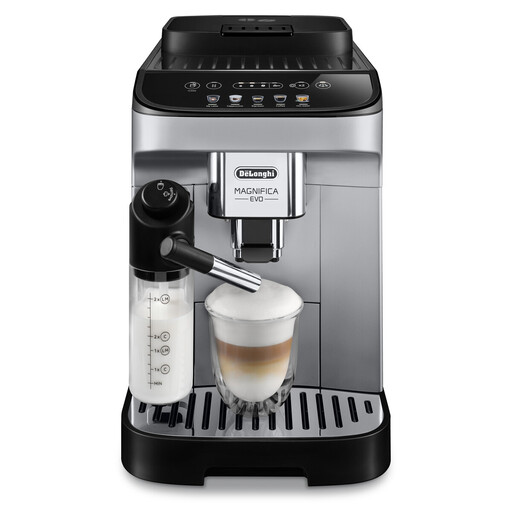
Why this model is a great fit: This fully automatic machine serves a wide range of preferences at the touch of a button—from espresso to latte macchiato. Perfect for hectic mornings or when hosting guests with different tastes.
The LatteCrema milk system was designed with cleaning in mind. The MyLatte function uses the exact amount of milk needed, so no residue is left in the container. Additionally, the relevant parts are removable and dishwasher-safe, which defuses the high-maintenance cleaning trap.
One-Touch Drink Variety: 7 pre-installed recipes, including Cappuccino and Latte Macchiato. Two Espressos at Once: The 2-cup function saves time.
We've compiled a complete, up-to-date list of products that fully meet these strict selection criteria and all relevant safety regulations.
The frequency depends on the water hardness in your area and your usage. Most modern machines, both fully automatic machines and portafilter machines, have an automatic descaling indicator. As a general rule, with average use and medium water hardness, you should descale every two to three months to maintain the device's performance and lifespan.
That depends on your priorities. For users who value convenience and a compact solution, an espresso machine with a grinder is a great choice. You save the space and cost of a separate grinder. For purists who want maximum control over the grind and coffee quality, a combination of a high-quality portafilter machine and an external coffee grinder is often the better, albeit more expensive, solution.
The specified pump pressure (15 bars or 19 bars) describes the maximum power of the pump installed in the machine. However, this high pressure is not required for the actual espresso extraction and is reduced by an over-pressure valve to the ideal value of approx. 9 bars at the group head. A high maximum pressure is therefore not a sole indicator of quality, but rather an indicator that the pump has sufficient power reserves to consistently generate the optimal brewing pressure.