
Lieferung heute & morgen

Qualitätsgarantie

Willkommens-Angebote freischalten: KOSTENLOSE Lieferung | Bis zu 80 % RABATT | Kostenlose 30-Tage-JoyPlus-Testphase
App herunterladen
A clear, even complexion is a common skincare goal. A facial exfoliant can be a valuable tool in achieving this, helping to remove dead skin cells, clear pores, and combat a dull appearance. However, the market is saturated with products whose marketing claims often create more confusion than clarity. Incorrectly chosen exfoliants can weaken the skin barrier and even worsen problems like blemishes or dryness.
This guide will help you understand the key features of a good facial exfoliant and avoid common shopping pitfalls. This way, you can make an informed decision that suits your skin type and needs.
Before choosing a product, it's important to recognise common misconceptions and exaggerated advertising claims.
To find the right product, you should focus on objective criteria. The following two parameters are crucial for an exfoliant's effectiveness and skin compatibility.
The way an exfoliant removes dead skin cells is the most important distinguishing factor.
The product's formula determines how the exfoliant fits into your skincare routine.
Additionally, look for soothing ingredients like panthenol, glycerin, aloe vera, or allantoin. They help to hydrate the skin and counteract potential irritation from the exfoliating agents.
Based on the criteria above, we have identified several products that are well-suited for specific needs and user profiles.
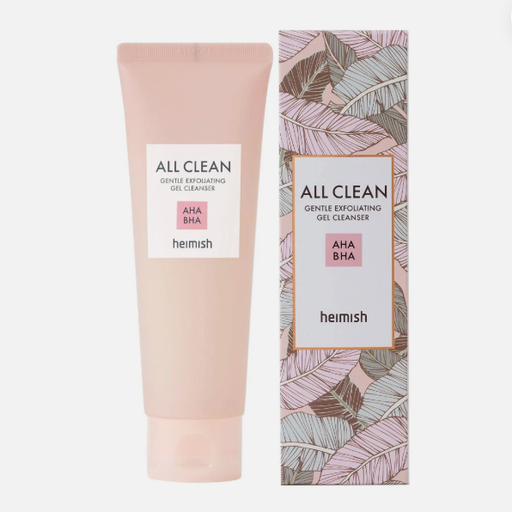
Why This Fits Their Persona: Perfect for individuals who want to try the benefits of chemical exfoliation but are concerned about potential irritation. The mild formulation is an excellent starting point.
This product doesn't rely on harsh particles. It uses a combination of AHA, BHA, and PHA in a gentle concentration to renew the skin without stressing the skin barrier.
The skin-neutral pH of 5.5 supports the skin's natural protective function. The gel texture cleanses effectively without leaving a tight feeling.
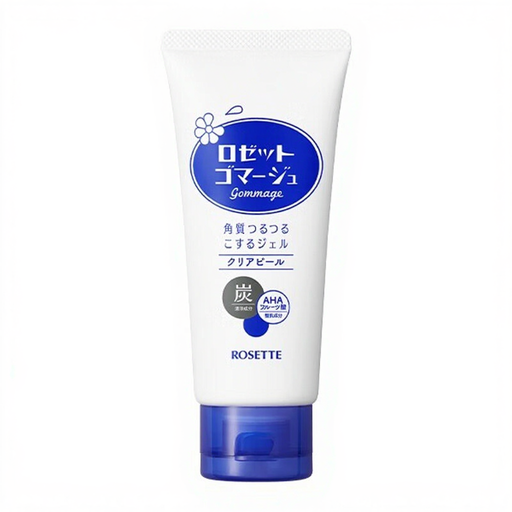
Why This Fits Their Persona: For users seeking a weekly exfoliant that specifically targets rough patches, clogged pores, and an uneven complexion. Also suitable for body areas like elbows or knees.
Instead of vague promises, this exfoliating gel delivers a clear mechanism of action: the formula with AHA (fruit acids), charcoal, and sea mud directly targets the removal of pore-clogging debris.
The gel transforms as it's massaged onto the skin, binding to dead skin cells that are then easily rinsed away. It can also be used on damp skin.
We've compiled a complete, up-to-date list of products that fully meet these strict selection criteria and rigorous safety standards.
1. How often should you use a facial exfoliant? The frequency of use depends heavily on the product and your skin type. A gentle scrub wash or a cleansing gel with a low acid concentration can be used daily. Stronger chemical exfoliants or more intensive mechanical scrubs should be limited to one to two times per week to avoid over-stressing the skin. Monitor your skin's reaction and adjust the frequency if you notice any signs of dryness or irritation.
2. Can I use a facial exfoliant if I have acne? Yes, but choosing the right product is crucial. For inflammatory acne, you should avoid aggressive mechanical exfoliants, as they can worsen inflammation. A gentle chemical exfoliant with salicylic acid (BHA) is often a good choice, as it has anti-inflammatory properties and cleanses pores from within. Start with a low frequency and observe how your skin reacts.
3. What is the difference between an AHA BHA exfoliant and a regular scrub wash? A scrub wash is a mechanical exfoliant that works through the friction of small particles (e.g., beads) on the skin's surface. An AHA BHA exfoliant is a chemical exfoliant. It uses acids to dissolve the "glue" that holds dead skin cells together. BHA (salicylic acid) works deep within the pores, while AHA (e.g., glycolic acid) primarily works on the surface to create a smoother texture. Chemical exfoliants work without mechanical friction and can often achieve more even results when used correctly.