
Lieferung heute & morgen

Qualitätsgarantie

Willkommens-Angebote freischalten: KOSTENLOSE Lieferung | Bis zu 80 % RABATT | Kostenlose 30-Tage-JoyPlus-Testphase
App herunterladen
The skin around the eyes is significantly thinner and more delicate than on the rest of the face. Consequently, it's often the first place to show signs of fatigue, stress, and ageing. The market for eye creams is vast and overwhelming, making the selection process difficult. Many products promise rapid results, but not all deliver on their promise. Before you make a decision, it's helpful to know the most common pitfalls that can lead to an unsuitable choice.
To avoid these pitfalls and make an informed decision, you should focus on a few objective criteria.
A suitable eye cream is not based on marketing promises, but on the specific needs of your skin. The following three parameters will help you identify the right formulation.
The key to effective eye care lies in the right ingredients, customised to your primary skin issue.
The texture should suit your skin type and personal preferences.
Packaging plays a crucial role in the stability and effectiveness of the formulation. Tubes with a narrow opening or airless pump dispensers are often a better choice than open jars. They minimise the product's exposure to air and light, thereby protecting sensitive antioxidants and vitamins from degradation.
Based on the criteria mentioned, we have compiled a selection of products for various needs.
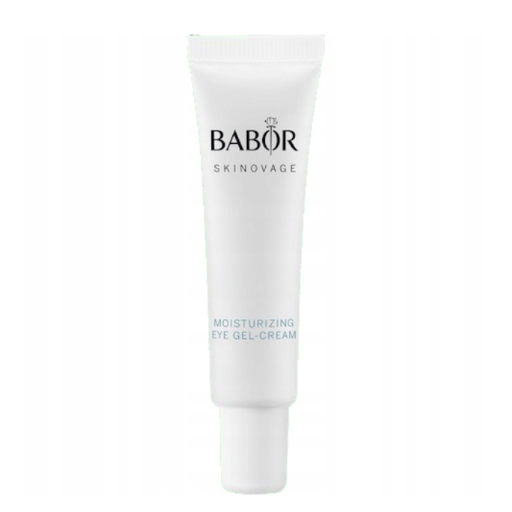
Why This Fits Their Persona: Ideal for those looking for their first eye care product. The lightweight gel-cream texture provides intense moisture without feeling heavy and is excellent for preventing the first signs of dryness lines. It absorbs quickly and serves as a great base for makeup.
Avoids the "Texture Mismatch" because its balanced gel-cream formula is suitable for many skin types, from normal to combination, providing moisture without a heavy feeling.
The formula contains an active complex with pomegranate extract, caffeine, and green tea, which hydrates the skin and can have an invigorating effect. Made in Germany.
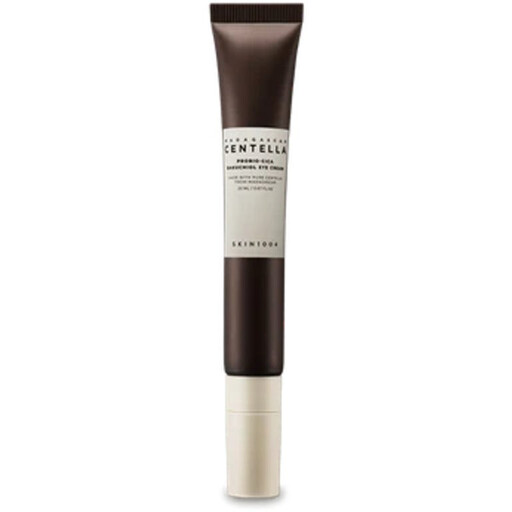
Why This Fits Their Persona: This Korean eye cream is aimed at users who want to specifically improve the appearance of wrinkles and loss of firmness. It contains Bakuchiol, a recognised, plant-based alternative to retinol, making it a modern anti-ageing eye cream.
Addresses the "Active Ingredient Trap" by using Bakuchiol in combination with fermented Centella Asiatica. This combination targets visible results while also being designed to soothe the skin.
Combines a firming effect with soothing properties, making it appealing even for users who are sensitive to traditional retinol. The lightweight texture absorbs quickly.
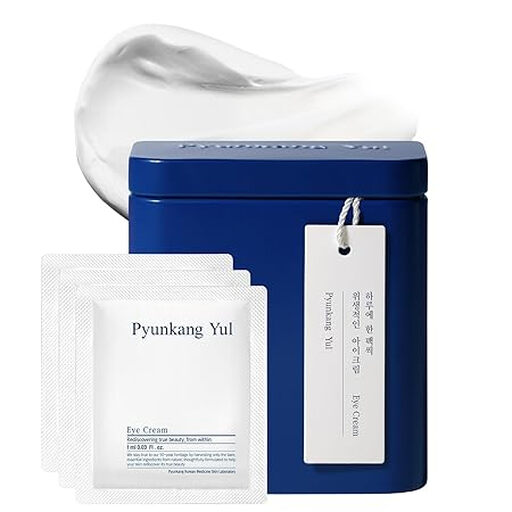
Why This Fits Their Persona: Perfect for individuals whose eye area reacts quickly to fragrances or irritating ingredients. The fragrance-free formula and hygienic individual packets offer a high level of safety and tolerability.
Excellently solves the "Packaging Illusion." Each application is individually packaged, which protects the formula from oxidation until use and ensures maximum hygiene—ideal for sensitive skin.
The formulation with Astragalus Root Extract and Ginseng Extract aims to strengthen the skin barrier and provide intensive nourishment. The single-serving packets are also convenient for travel.
Finding the right skincare is highly individual. If you're looking for other textures or active ingredient combinations, you can find a broader selection of products here, tailored to different needs.
There is no fixed age. An eye cream is useful as soon as the first signs of dryness appear or if you want to prevent specific issues like puffiness or dark circles. For many, this begins in their mid-to-late 20s, when the skin's natural collagen production starts to slow down. A light, hydrating cream can be a great first step.
The skin around the eyes is up to ten times thinner than on the rest of the face and has fewer sebaceous glands. Face creams may contain fragrances or active ingredients in concentrations that are too intense for this delicate area and could cause irritation or milia. Eye creams are specifically formulated for the needs of this zone, are often ophthalmologically tested, and have a texture that prevents them from "creeping" into the eyes.
Less is more. A rice-grain-sized amount per eye is sufficient. Apply the cream to your ring finger, as it exerts the least amount of pressure. Gently pat the product along the orbital bone (the bony structure around your eye) from the inside out. Avoid applying the cream too close to the lash line or pulling on the skin.