
Lieferung heute & morgen

Qualitätsgarantie

Willkommens-Angebote freischalten: KOSTENLOSE Lieferung | Bis zu 80 % RABATT | Kostenlose 30-Tage-JoyPlus-Testphase
App herunterladen
As a Joybuy Product Recommendation Officer, I see countless products and marketing promises every day. The eye care category, in particular, can be overwhelming. A good eye cream can visibly improve the appearance of the delicate skin around the eyes, but the path to the right product is often paved with marketing traps. This guide will help you make informed decisions and find a treatment that truly fits your needs.
Before we dive into the solutions, it's important to understand the typical hurdles that can lead to purchase mistakes.
To make the right choice, focus on objective criteria rather than marketing claims. The following two parameters are crucial.
Identify your main concern to find the right active ingredients. The ingredient list (INCI) is your most important tool.
The base of a cream is just as important as its active ingredients. The texture not only affects how it feels on the skin but also how well the product performs under makeup.
Here are some product recommendations tailored to specific user profiles and their needs.
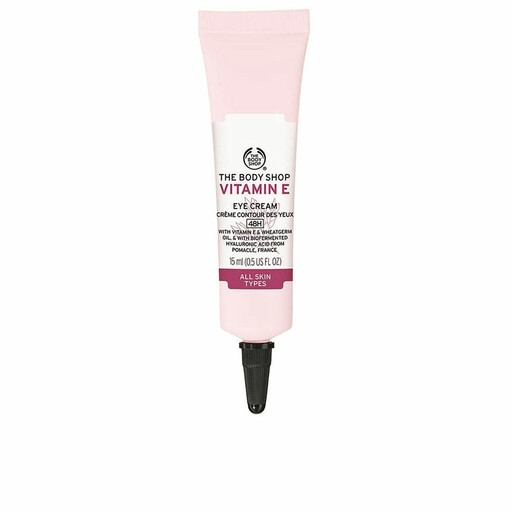
Why This Fits Their Persona: Ideal for those looking for a straightforward, hydrating base treatment. The cream focuses on preventing dehydration lines and provides a solid foundation for a daily routine without overwhelming the skin with too many active ingredients.
The product doesn't make exaggerated anti-aging claims, focusing clearly on hydration. Its creamy yet not-too-heavy texture is well-tolerated by most skin types.
Contains Vitamin E and hyaluronic acid of natural origin for intense hydration. According to the manufacturer, the formula consists of 94% ingredients of natural origin.
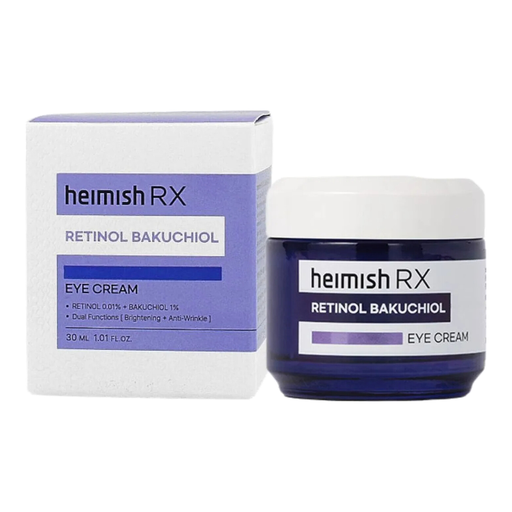
Why This Fits Their Persona: Perfect for users who want to specifically target fine lines, loss of elasticity, and dark circles. The formula is designed for visible results with regular use and appeals to informed users looking for potent active ingredients.
This product bypasses the active ingredient trap by providing clear concentration details: 0.01% Retinol, 1% Bakuchiol, and 5% Niacinamide. This combination effectively targets multiple concerns at once.
Combines retinol and bakuchiol to reduce wrinkles. Contains niacinamide to brighten dark circles. The cooling metal applicator can help reduce puffiness.
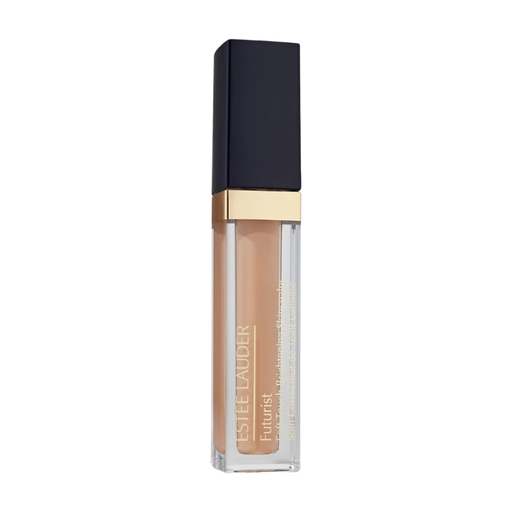
Why This Fits Their Persona: For anyone who wants not just to treat their skin but also to see immediate results. This hybrid skincare-makeup product is ideal for a busy lifestyle, instantly making tired eyes look more awake and radiant.
This product avoids the "instant-effect trap" honestly: the immediate effect is achieved through its function as a concealer, while the skincare ingredients work long-term. It doesn't promise a magical fix, but a combined solution.
Combines the coverage of a concealer with the benefits of an eye cream. Contains a Vitamin C complex for brightening and hyaluronic acid for moisture. The lightweight texture does not settle into fine lines.
We have compiled a complete, up-to-date list of products that fully meet these strict selection criteria and rigorous safety standards.
Take a rice-grain-sized amount on your ring finger, as it applies the least amount of pressure. Gently tap the cream along the orbital bone—from the inner corner outwards under the eye, and just below the eyebrow. Avoid pulling or tugging the skin, and do not apply the product too close to the lash line to prevent irritation.
The skin around the eyes is significantly thinner and more delicate than the rest of the face. Eye creams are specially formulated to be lighter and contain fewer "creeping" oils that could migrate into the eyes. Additionally, they are often targeted at specific issues like puffiness or dark circles, which a face cream doesn't address. For non-sensitive skin, a mild face cream might work, but a dedicated eye cream is generally the safer and more effective choice.
There is no set age. Skin aging begins in your mid-20s, even if it's not yet visible. A hydrating eye cream can be beneficial even at a young age to prevent dryness. By the time you're 30, when the first fine lines may appear, an anti-aging eye care product is a sensible addition to your routine. Prevention is often easier than correction.