
Lieferung heute & morgen

Qualitätsgarantie

Willkommens-Angebote freischalten: KOSTENLOSE Lieferung | Bis zu 80 % RABATT | Kostenlose 30-Tage-JoyPlus-Testphase
App herunterladen
By the Joybuy Product Recommendation Officer
The skin around the eyes is significantly thinner and more delicate than on the rest of the face. Consequently, it's often where the first signs of ageing, such as fine lines and wrinkles, appear. Finding a suitable eye cream for wrinkles can be a challenge given the vast array of products and active ingredients. This guide is designed to help you make an informed decision by presenting objective criteria and a selection of products for different needs.
The choice of the right eye care depends on your individual skin needs and desired results. Here are some objective criteria to consider in your decision.
The formulation is crucial. Certain ingredients have established themselves in skincare to address specific concerns.
UV radiation is one of the main factors in premature skin ageing (photoageing). An eye cream with SPF (Sun Protection Factor) protects the delicate eye area from harmful sun rays during the day, thus preventing the formation of new wrinkles. The daily application of broad-spectrum protection is a fundamental step in eye care for mature skin.
Besides wrinkles, dark circles and under-eye bags are common concerns. Ingredients like caffeine can stimulate microcirculation and thus help to temporarily reduce swelling. Applicators made of metal or ceramic also provide a cooling effect that can help to de-puff.
Based on the criteria mentioned above, we have compiled a selection of eye creams that cover various active ingredient combinations and price points.
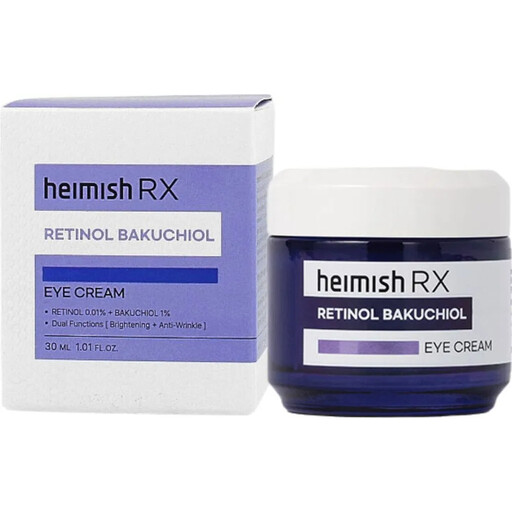
Why It Stands Out: This product combines two well-known active ingredients: Retinol (0.01%) and the plant-based ingredient Bakuchiol (1%). The formula is enhanced with 5% Niacinamide, which targets the reduction of dark circles. A special feature is the cooling metal applicator, which aids in application.
Benefits:
Who It's For: Users looking for an eye cream that combines retinol with a plant-based alternative. Also suitable for those who want to specifically address the appearance of tired-looking eyes and dark shadows.
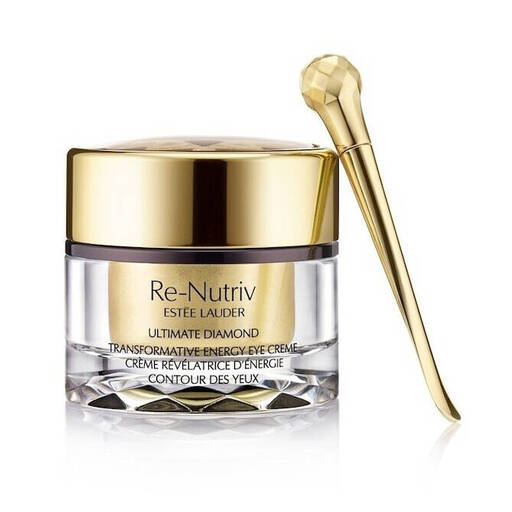
Why It Stands Out: This luxury-segment eye cream features the brand's proprietary SIRTIVITY-LP technology and the exclusive Black Diamond Truffle Extract. According to a clinical study by Estée Lauder, the product shows visible improvements in firmness and elasticity.
Benefits:
Who It's For: Users who wish to invest in technologically advanced and luxurious eye care to address multiple signs of ageing simultaneously.
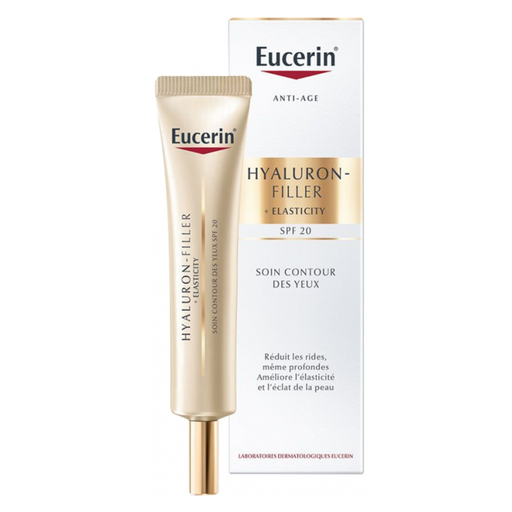
Why It Stands Out: This dermo-cosmetic eye care integrates an SPF 20, offering daily protection against UV-induced skin ageing. The formula with Hyaluronic Acid and Creatine was specially developed for the needs of mature skin to improve elasticity.
Benefits:
Who It's For: Individuals seeking a reliable eye care for mature skin with integrated sun protection for daily use. Ideal for users who prioritise preventive measures against photoageing.
The selection presented here covers various approaches to eye care. If you are looking for other formulations, such as a Vitamin E eye cream with antioxidant properties, you may find the right product in our wider selection.
Discover our entire range of eye care products
There is no fixed age, but many people start with preventive eye care in their late 20s or early 30s. Since the skin around the eyes is very thin, dehydration lines can form early on. A moisturising eye cream can be beneficial even at this stage.
It is generally not recommended. Eye creams are specifically formulated for the thin and delicate skin of the eye area. They are often ophthalmologically tested to minimise the risk of irritation. Additionally, the concentrations of active ingredients may differ from those in face creams to ensure better tolerance.
A pea-sized amount is sufficient for both eyes. Apply the cream with your ring finger, as it applies the least amount of pressure. Gently tap the product along the orbital bone—from the inner to the outer corner. Direct contact with the eyes should be avoided.