
Lieferung heute & morgen

Qualitätsgarantie
App herunterladen
Kategorien
The selection of eyeshadow is based on fundamental criteria: formulation and finish. These factors determine the application technique, longevity, and the visual result of the eye makeup. A systematic approach to evaluating these properties enables an informed product choice tailored to specific use cases and preferences.
The performance of an eyeshadow can be analysed based on its physical and chemical composition. The formulation, finish, and pigment density are the decisive parameters.
Eyeshadow is primarily available in three formulations, which differ in texture, application, and longevity.
Powder Eyeshadow: This is the most common form, available as pressed powder in single pans or as an eyeshadow palette. The base often consists of talc, mica, and magnesium stearate, which influence texture and adhesion. Silicones like dimethicone can provide a smoother application. Pressed powders are versatile and highly blendable. Loose powder pigments offer greater colour intensity but require a more precise application, often with a specialised eyeshadow primer for fixation.
Liquid Eyeshadow: This formulation is based on a water or silicone base in which pigments are suspended. They often contain film-forming polymers that create a long-wearing, smudge-proof film on the eyelid after drying. Liquid eyeshadow is known for its high coverage and intense colour payoff. Application is typically done with an integrated applicator and requires quick blending before the product sets.
Cream Eyeshadow: Creamy formulations contain waxes and oils that give them a smooth, blendable consistency. They can serve as a base for powder eyeshadows to boost their intensity, or be worn alone. On oily skin, they may be prone to creasing without a primer.
The finish describes how an eyeshadow reflects light.
Matte: Matte eyeshadows absorb light and create no reflection. They are excellent for defining the crease, contouring the eye, and serving as a base for other textures. A matte eyeshadow provides depth and structure.
Shimmer/Satin: These finishes contain fine, light-reflecting particles (often mica) that create a soft sheen. They are ideal for brightening the mobile lid or the inner corner of the eye, adding subtle dimension.
Metallic: A metallic finish creates a strong, mirror-like reflection reminiscent of molten metal. This is achieved through a high concentration of flat, reflective particles. Metallic eyeshadows are perfect for statement looks and for accentuating the centre of the lid.
Highly Pigmented: This term describes a high concentration of colour pigments relative to fillers and binders. A highly pigmented product delivers opaque colour payoff with a minimal amount of product.
Long-Wearing: Longevity is determined by the formulation. Ingredients such as silicones, polymers, and certain waxes improve adhesion to the eyelid and resistance to moisture and skin oils.
The following products have been selected for their specific technical properties and formulations.
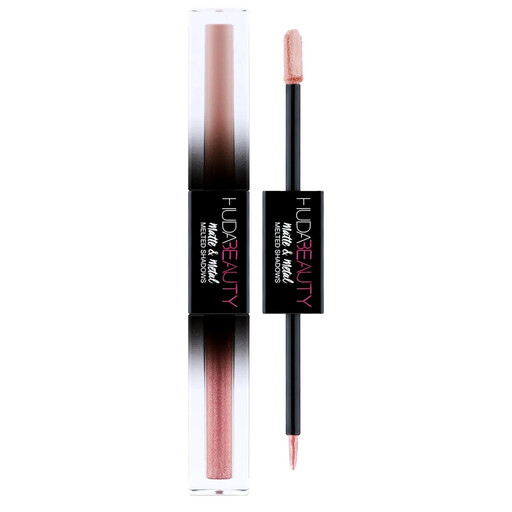
Why we recommend this product: The dual-ended formulation offers maximum versatility in a single product. It combines a liquid matte eyeshadow with a complementary metallic finish, allowing you to create a complete eye look with just one applicator. The liquid texture dries down to a smudge-proof finish, ensuring excellent longevity.
Pros:
Best for: Users seeking an efficient product for quick and intense eye looks. Especially beneficial for those who prioritise high durability without the need for a separate eyeshadow primer.
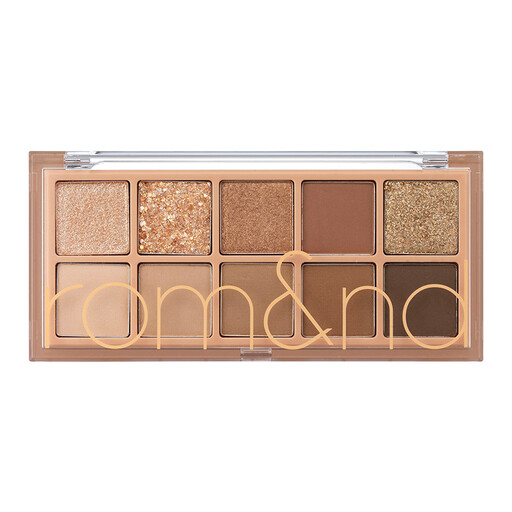
Why we recommend this product: The eyeshadow palette from rom&nd offers a harmoniously coordinated selection of colours and finishes in a single unit. The powder-based formulation, with ingredients like talc and magnesium stearate, ensures a soft texture and excellent blendability. The combination of matte and shimmer tones allows for multi-dimensional looks.
Pros:
Best for: Ideal for users who prefer an all-in-one solution for looks ranging from everyday to subtly glamorous. The palette is suitable for both beginners and experienced users who value a cohesive colour story.
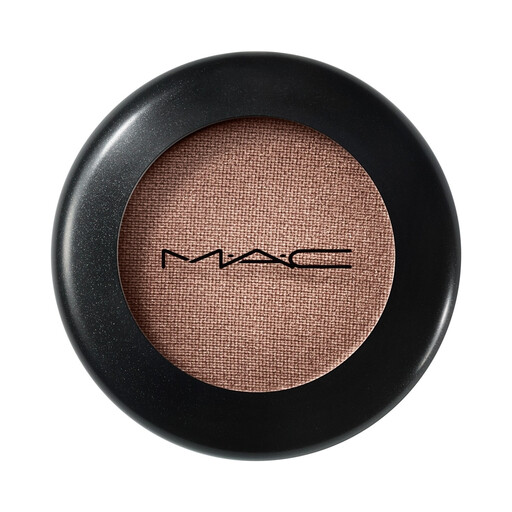
Why we recommend this product: This powder eyeshadow from MAC is distinguished by its high pigment density and its suitability for both wet and dry application. Applied dry, it delivers buildable colour payoff, while wet application intensifies the colour and metallic finish. It is dermatologist and ophthalmologist tested, ensuring a high standard of safety.
Pros:
Best for: Makeup users who want precise control over colour intensity and are looking for a single, high-quality product for specific accents. The wet/dry functionality makes it a versatile tool for creative looks.
For an expanded selection of products, especially comprehensive palettes with different colour stories and finishes, take a look at the Makeup Eyeshadow Palette category. There you will find other formulations and brands that can meet specific requirements.
1. What is the functional difference between matte and shimmer eyeshadow? A matte eyeshadow absorbs light and is used to create depth and contour, for example, in the crease. A shimmer eyeshadow reflects light and is used to highlight areas, such as the mobile lid or the brow bone, which adds dimension and brightness to the eye.
2. How is liquid eyeshadow applied correctly to avoid patchiness? Liquid eyeshadow should be applied in a thin layer to the eyelid with the applicator and immediately blended with a clean brush or your fingertips. It is advisable to work on one eye at a time, as the formula dries down quickly. Once it has set, the product is typically fixed and cannot be adjusted.
3. What factors contribute to an eyeshadow's longevity? The wear time depends on the product's formulation and the preparation of the eyelid. An eyeshadow primer creates a smooth, slightly tacky surface and prevents skin oils from breaking down the eyeshadow. Long-wearing formulations, especially liquid and cream products, often contain film-forming polymers and silicones that create a water-resistant and smudge-proof layer.