
Lieferung heute & morgen

Qualitätsgarantie

Willkommens-Angebote freischalten: KOSTENLOSE Lieferung | Bis zu 80 % RABATT | Kostenlose 30-Tage-JoyPlus-Testphase
App herunterladen
An even complexion and a refined skin texture are common skincare goals. A face exfoliant can be a powerful tool for removing dead skin cells and stimulating skin renewal. However, the selection is vast: from mechanical scrubs with abrasive particles to chemical formulas with acids, the options can be overwhelming. This guide is designed to provide clarity, explain the differences between exfoliant types, and help you make an informed decision for your specific skin needs.
The right choice of exfoliant depends largely on your skin type and desired outcome. Here are some objective criteria to help guide you.
The most fundamental distinction lies in how the product works.
The formula should always be tailored to your individual skin condition.
Regardless of the exfoliant chosen, correct application is crucial. Adhere to the frequency recommended by the manufacturer—overuse can weaken the skin barrier. After using a chemical exfoliant, the skin is more sensitive to light. Daily application of a broad-spectrum sunscreen (SPF 30 or higher) is therefore essential to protect the skin from UV damage.
Based on the criteria above, we have compiled a selection of products with different mechanisms of action and for various skin needs.
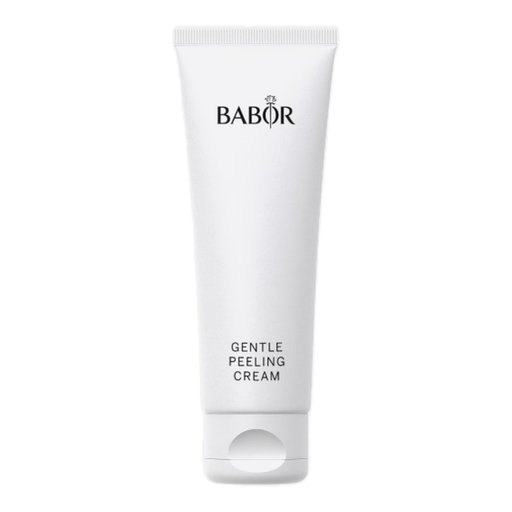
Why It Stands Out This product is a classic mechanical exfoliant with a creamy texture. It uses natural exfoliating particles from jojoba wax and cellulose, which are known for their gentle yet effective action. The formula is specifically designed to not dry out the skin.
Product Details
Who It's For Users with dry or sensitive skin who prefer manual exfoliation but want to avoid harsh abrasive particles. The nourishing ingredients like shea butter and almond oil support the skin's hydrolipidic film.
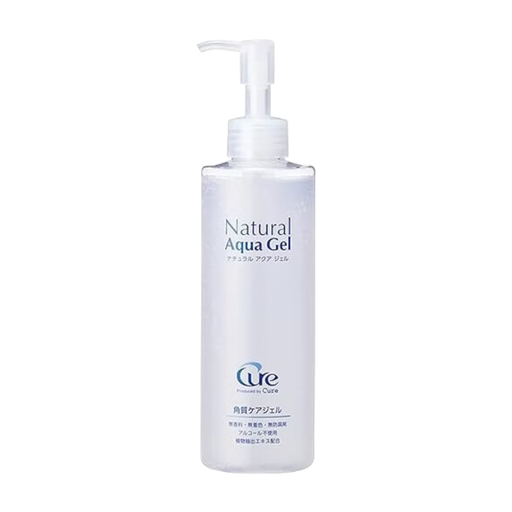
Why It Stands Out The Cure Natural Aqua Gel offers a different approach to exfoliation. It is a water-based gel that is massaged onto dry skin, where it binds with dead skin cells that can then be rubbed off. This method is exceptionally gentle as it contains no harsh particles or strong acids.
Product Details
Who It's For Ideal for almost all skin types, especially as an exfoliant for sensitive skin. Those who wish to avoid fragrances, colourants, and alcohol will appreciate this minimalist formula. It's a great choice for beginners to exfoliation.
The world of skincare is diverse and personal. If the products featured here don't perfectly match your needs or if you'd like to explore more alternatives, you can find a wider selection in our category.
? Discover more natural skincare products
The frequency of use depends on the product and your skin type. Generally, using an exfoliant 1-2 times per week is recommended for most products. Very mild formulas may be used more often, while strong chemical exfoliants should be used less frequently. Always follow the manufacturer's instructions to avoid over-exfoliating the skin.
A mechanical exfoliant removes dead skin cells through physical friction using small particles. A chemical exfoliant uses acids (like AHA or BHA) to dissolve the bonds between skin cells, requiring no mechanical friction. Chemical exfoliants can more specifically target issues like clogged pores or pigmentation.