
Lieferung heute & morgen

Qualitätsgarantie

Willkommens-Angebote freischalten: KOSTENLOSE Lieferung | Bis zu 80 % RABATT | Kostenlose 30-Tage-JoyPlus-Testphase
App herunterladen
The facial care market is overwhelming. Countless products promise instant results, but not every face mask delivers on its advertising claims. As a Joybuy Product Recommendation Officer, I see it as my duty to provide objective information so you can make an informed decision based on facts, not marketing hype. Before you invest, you should know the most common pitfalls.
Many consumers invest in products that are unsuitable for their skin or whose effects are overestimated. Watch out for these three typical problems:
To avoid a bad purchase, you should focus on objective, verifiable parameters.
The effectiveness of a mask depends on the ingredients it contains and their concentration. The ingredients are listed on the packaging (INCI list) in descending order of their concentration.
The type of mask determines how the active ingredients are delivered to the skin and which skin concern it is suitable for.
Define your primary goal. Are you looking for a quick fix for a special occasion or a long-term addition to your skincare routine? A retinol mask, for example, should be used in the evening and not daily, while a simple hyaluronic mask can be used more frequently.
Here are some product recommendations tailored to specific user profiles and their needs.
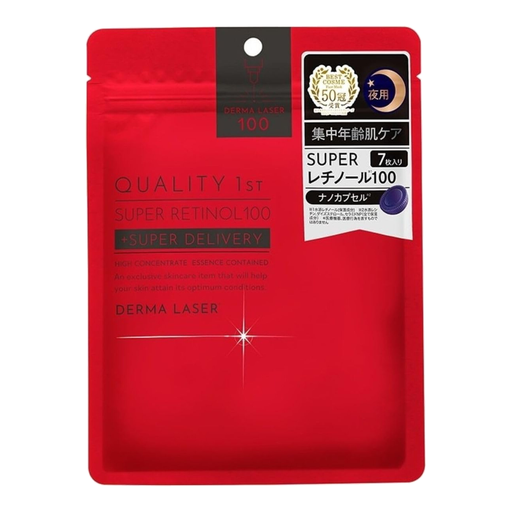
Why This Fits Their Persona: For experienced users seeking a targeted treatment for fine lines, wrinkles, and enlarged pores. This mask is designed as an intensive night treatment and uses a potent active ingredient for visible results.
The formulation is clearly focused on the active ingredient, retinol. The product description also provides a clear usage recommendation (night-time only) and a note about sun protection, minimising the risk of over-treatment and skin damage.
Utilises a nanocapsule technology to transport retinol deep into the skin layers. The formula is free from preservatives and alcohol. The short application time of 3 minutes is highly efficient.
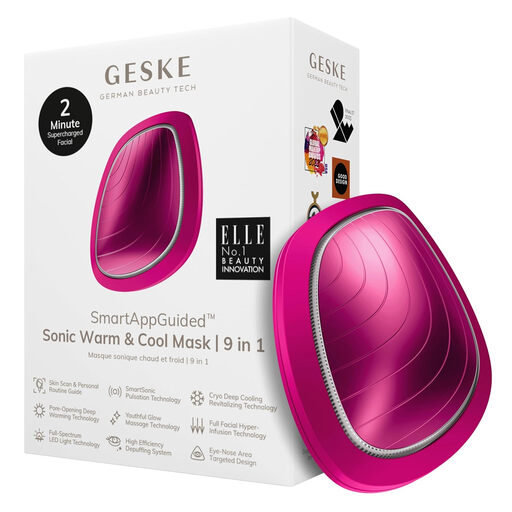
Why This Fits Their Persona: For users who want to elevate their skincare routine to the next level. This device is not a mask in the traditional sense, but a tool that enhances the effect of serums and masks through heat, cold, and sonic vibrations.
This device avoids the "skin type trap" as it is not tied to a specific active ingredient or mask type. It can be combined with your existing favourite products to improve their absorption and effectiveness.
Multifunctional 9-in-1 device with heat, cold, sonic, and LED light therapy. App control allows for personalised treatment routines for a professional spa experience at home.
We have compiled a complete, up-to-date list of products that meet these strict selection criteria and comply with current regulations.
The frequency of use depends heavily on the mask type and your skin condition.
A sheet mask is a serum-soaked fabric that provides quick and intensive delivery of active ingredients. It is convenient and usually leaves a light, fresh feeling. A cream mask has a thicker, richer consistency. It absorbs more slowly, nourishes the skin more deeply, and is particularly suitable for dry or mature skin, often as an overnight treatment.
Generally, no. It is recommended to gently pat or massage the remaining essence into the skin after removing the mask until it is fully absorbed. This seals the active ingredients in the skin. Washing it off would reduce the nourishing effect. However, always read the specific instructions on the product packaging.