
Lieferung heute & morgen

Qualitätsgarantie

Willkommens-Angebote freischalten: KOSTENLOSE Lieferung | Bis zu 80 % RABATT | Kostenlose 30-Tage-JoyPlus-Testphase
App herunterladen
A radiant complexion and refined skin texture often top the skincare wish list. A gentle face peel is seen as the key to achieving this, but the path to the right product is often paved with marketing promises and confusing formulas. Many users reach for products that do more harm than good, leading to redness, dryness, or a compromised skin barrier. Before you buy a face peel, it's crucial to understand the most common pitfalls.
The 2 Most Common Mistakes When Buying Face Peels:
To avoid disappointment, you should focus on objective criteria. Two factors are crucial for selecting a product that is both effective and gentle.
The way dead skin cells are removed is the most fundamental difference.
With chemical peels, the choice of active ingredient is crucial. The three main groups have different properties:
Based on these objective criteria, we have identified several products suitable for specific user profiles.
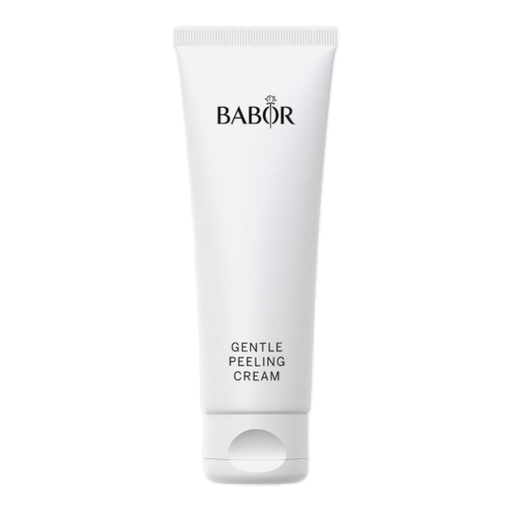
Why This Fits Their Persona: Ideal for users who prefer a mechanical peel but require a very gentle formulation. The cream nourishes the skin during application and prevents feelings of tightness.
This product avoids the trap of harsh abrasives by using rounded, natural exfoliating particles from jojoba wax and cellulose that won't scratch the skin.
The formula is enriched with shea butter, almond oil, and probiotics to protect the skin's hydro-lipid film and support the skin barrier.
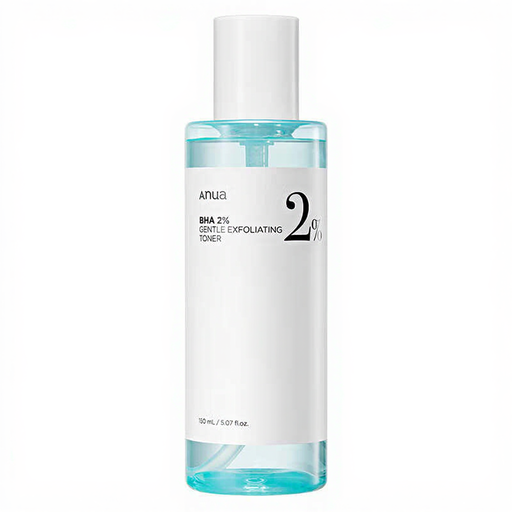
Why This Fits Their Persona: Perfect for those with oily or combination skin prone to blemishes and clogged pores. As a toner, it integrates easily into a daily routine without mechanical irritation.
This product specifically selects the right active ingredient. Instead of a non-specific "all-in-one" solution, it relies on BHA (Betaine Salicylate), which penetrates deep into the pores to dissolve sebum and blockages.
The formula is designed as a gentle toner that allows for controlled, daily use. Additional ingredients like hyaluronic acid and tea tree oil provide soothing and hydrating benefits.
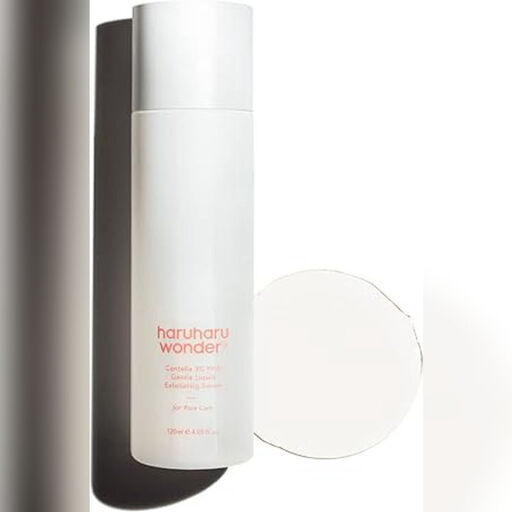
Why This Fits Their Persona: Excellent for those curious about the benefits of a chemical peel but concerned about potential irritation. The mild formulation is a safe starting point.
This serum prevents the mistake of over-exfoliation. It uses 3% PHA, an acid with large molecules that works only on the surface, thereby minimising the risk of irritation.
The formula is hypoallergenic and vegan. It contains soothing Centella Asiatica to counteract redness and Vitamin C for added radiance.
We have compiled a complete, up-to-date list of products that fully meet these strict selection criteria and safety regulations.
1. How often should you use a gentle face peel? The frequency of use depends heavily on the product and your skin type. For most mechanical peels and mild chemical peels, applying it one to two times per week is a good starting point. Monitor your skin's reaction closely. If you notice any signs of dryness or irritation, reduce the frequency.
2. Can I combine an AHA peel and a BHA peel? Combining them is possible but requires caution to avoid over-exfoliation. Instead of using them at the same time, it's safer to use them on an alternating basis—for example, on different days. For most users, a single well-formulated product tailored to their primary needs is perfectly sufficient.
3. What is the difference between a peeling cream and an exfoliating toner? A peeling cream is typically a mechanical exfoliant that is applied to damp skin, massaged in, and then rinsed off. An exfoliating toner is a liquid chemical face peel that is applied after cleansing with your hands or a cotton pad and is left on the skin. The choice depends on personal preference and skin goals: mechanical peels offer an immediate feeling of smoothness, while chemical toners often deliver a deeper yet gentler effect.