
Lieferung heute & morgen

Qualitätsgarantie

Willkommens-Angebote freischalten: KOSTENLOSE Lieferung | Bis zu 80 % RABATT | Kostenlose 30-Tage-JoyPlus-Testphase
App herunterladen
Choosing the right facial cleanser can be overwhelming given the sheer number of products available. However, an effective cleanse is the foundation of any skincare routine. It not only removes dirt, sebum, and makeup but also perfectly preps the skin for the products that follow. Yet, many consumers fall into common traps that can lead to irritation, dryness, or even more breakouts.
As your Joybuy Product Recommendation Officer, I'm here to help you separate marketing promises from facts. In this guide, we'll highlight the most common mistakes people make when buying a cleanser and show you the objective criteria that truly matter.
To make an informed decision, focus on verifiable characteristics rather than marketing claims.
The skin's surface naturally has a slightly acidic pH of around 4.7 to 5.75. This acid mantle fends off harmful microorganisms and keeps the skin barrier intact. Alkaline cleansing products (with a pH > 7) can disrupt this protective layer.
Surfactants are the cleansing agents that dissolve oil and dirt. There are significant differences in their strength and tolerability.
A good facial cleanser can do more than just clean. Targeted active ingredients can address specific skin concerns.
Here are a few product recommendations tailored to specific needs, all of which meet the criteria mentioned above.

Why This Fits Their Persona: Ideal for those seeking an effective facial pore cleanser that combats impurities without stripping the skin. The formula directly targets the root causes of breakouts.
This facial cleansing gel avoids the "squeaky-clean" trap. It contains 0.5% salicylic acid to purify pores but combines it with soothing ingredients like tea tree oil and willow bark water to protect the skin barrier.
Combines a mild BHA concentration suitable for daily use with hydrating and calming components. Effectively removes excess sebum and dirt.
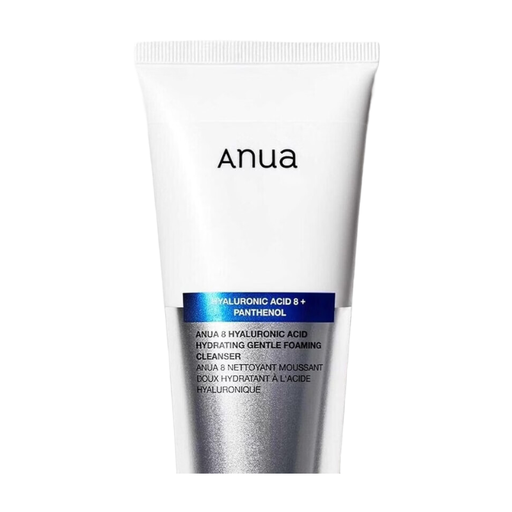
Why This Fits Their Persona: Perfect for users whose skin feels tight after cleansing and who are looking for a hydrating facial cleanser that is gentle and strengthens the skin barrier.
This cleanser debunks the "one-size-fits-all" myth. It's specifically designed for dry and sensitive skin, using mild amino acid-based surfactants and a complex of eight different types of hyaluronic acid for intense hydration.
Provides a cleanse without any feeling of tightness. The combination of hyaluronic acid, panthenol, and betaine soothes the skin and delivers multi-level hydration.
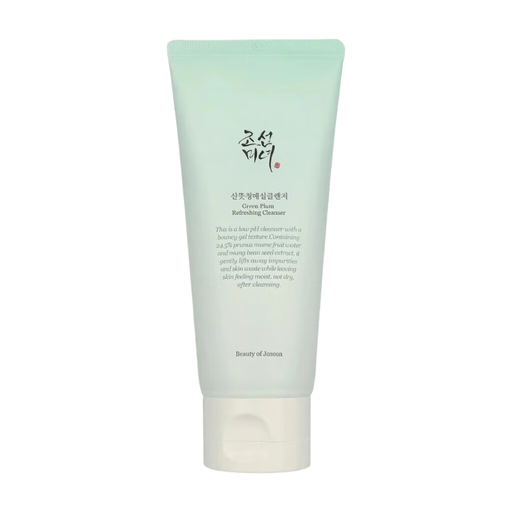
Why This Fits Their Persona: For users seeking a reliable, gentle daily cleanser that refreshes and hydrates the skin without targeting specific, major skin concerns.
This product avoids the "natural" marketing trap by relying on proven Hanbang ingredients (traditional Korean herbal medicine). Plum water and mung bean extract are specifically used for their hydrating and gently exfoliating properties.
The hypoallergenic and low-pH gel formula cleanses thoroughly without damaging the skin barrier. It leaves the skin feeling refreshed and hydrated.
We've compiled a complete, up-to-date list of products that fully meet these strict selection criteria.
As a general rule, cleansing twice a day—morning and evening—is recommended. The evening cleanse is essential to remove makeup, sunscreen, dirt, and excess sebum that have accumulated throughout the day. The morning cleanse removes sebum and sweat produced overnight and preps the skin for your daytime routine. For very dry or sensitive skin, cleansing with just lukewarm water in the morning may be sufficient.
Not necessarily. A product's price is determined by many factors, including brand positioning, packaging, and marketing costs. The quality of a facial cleanser ultimately depends on its formulation and the concentration of its ingredients. An affordable, drugstore product with mild surfactants and a skin-friendly pH can be better for your skin than a pricey luxury product with irritating ingredients.
The main difference lies in the texture and the typical target audience. A facial cleansing gel is usually transparent, lathers with water, and is designed to thoroughly remove excess sebum. This makes it particularly suitable for normal, combination, or oily skin. A cleansing milk has a creamier texture, generally doesn't foam, and often contains more replenishing and nourishing components. It is the classic choice for dry, mature, and sensitive skin.