
Lieferung heute & morgen

Qualitätsgarantie

Willkommens-Angebote freischalten: KOSTENLOSE Lieferung | Bis zu 80 % RABATT | Kostenlose 30-Tage-JoyPlus-Testphase
App herunterladen
A facial cleansing gel should remove dirt, excess sebum, make-up residue and sun protection without leaving your skin feeling unpleasantly tight after washing. In practice, however, not every product suits every skin type. For particularly sensitive, dry or redness-prone skin, fragrances, intensive surfactants or using a product too often can make the choice more difficult.
The product name is not always helpful either: a “Deep Clean” promise says little about actual skin compatibility. If you want to buy a facial cleanser, you should therefore check the formula, the intended skin type and the instructions for use.
A cleansing gel for blemish-prone skin often contains stronger cleansing agents or acids such as salicylic acid. This may be of interest for oily skin or skin prone to blocked pores. With dry or irritated skin, intensive cleansing can instead encourage a feeling of tightness. What matters is therefore not the advertising claim, but the combination of surfactants, acids, fragrances and humectants.
A pH-balanced cleansing gel can take the skin’s natural environment into account. However, the term “skin-friendly” does not replace checking the full INCI list. Even a product with a low or balanced pH may contain fragrances, essential oils or preservatives, for example, which some people may react to sensitively.
An intimate wash is intended for external intimate care and is not automatically suitable for the face. Conversely, a facial cleansing gel does not have to be formulated for the external intimate area. Both areas of skin have different requirements. Products should only be used in accordance with the manufacturer’s instructions.
For dry or sensitive skin, gentle formulas containing glycerin, panthenol, lipids or hyaluronic acid are often suitable. A cleanser for dry skin should not leave a strong feeling of tightness after rinsing. For blemished or oily skin, salicylic acid or other clarifying ingredients may be relevant. Such products should be introduced particularly carefully if redness or dry patches are also present.
The ingredients list helps you make an objective comparison:
For daily facial cleansing, a small amount is usually sufficient. A 50-ml product may be suitable for travelling or trying out, while 150 to 470 ml sizes need to be repurchased less often with regular use. Clear instructions about the eye area, rinsing, contact with irritated skin and storage are also important.
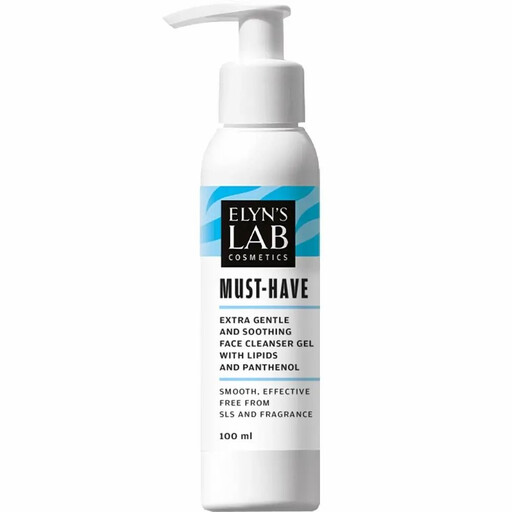
Why this product suits the profile: According to the product information, the formula is designed for sensitive and irritated skin and contains glycerin, panthenol, hydrogenated phosphatidylcholine and soya oil.
The selection focuses on gentle cleansing rather than making a blanket “deep cleansing” claim. The eye area and warnings should still be observed.
Panthenol and lipids listed in the INCI list; 100-ml size for daily facial care.
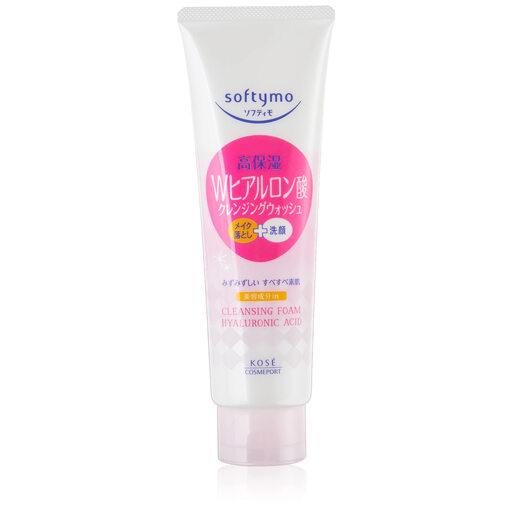
Why this product suits the profile: The 190-g pack is designed for regular facial cleansing. According to the product description, it contains two hyaluronic acid derivatives, glycerin and moisturising amino acid derivatives.
The ingredient information makes the focus on moisture more transparent than a general skincare promise. A patch test is advisable for sensitive skin.
190-g contents; two listed hyaluronic acid ingredients and glycerin.
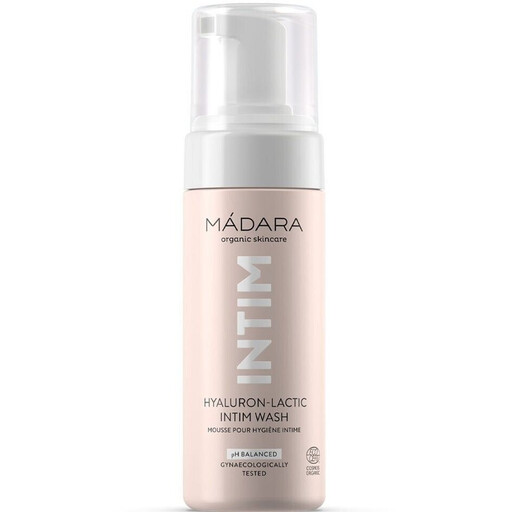
Why this product suits the profile: This pH-focused wash is intended exclusively for external intimate care. The product information lists lactic acid, sodium hyaluronate and a soap- and alcohol-free formula.
Its clearly defined purpose helps prevent the common confusion between facial cleanser and intimate wash. It should only be used externally and in accordance with the manufacturer’s instructions.
150 ml contents; lactic acid and hyaluronic acid in the stated formula.
We have put together a complete, regularly updated list of products that fully meet these strict selection criteria and the safety regulations applicable in the EU.
For dry or sensitive skin, using the product once in the evening to begin with may be sufficient. If you experience burning, itching, persistent redness or swelling, stop using the product. If you have symptoms or notice unusual changes to your skin, seek medical advice.
Many products are intended for use in the morning and evening. For dry, sensitive or irritated skin, cleansing once in the evening may be enough. Your skin’s feel, the formula and the information on the packaging are the key factors.
This usually refers to a product whose pH is matched to the skin’s natural environment. “Skin-neutral” does not automatically mean pH 7. However, the specific value is not stated for every product. Buyers should therefore also check the ingredients and information about skin compatibility.
The best-before date and the open-jar symbol showing the number of months, such as 12M, are decisive. Packaging, closure and storage conditions affect how long the product remains usable. It should be stored in a cool, dry place away from direct sunlight.