
Lieferung heute & morgen

Qualitätsgarantie

Willkommens-Angebote freischalten: KOSTENLOSE Lieferung | Bis zu 80 % RABATT | Kostenlose 30-Tage-JoyPlus-Testphase
App herunterladen
A good facial exfoliant promises to revive dull skin, reduce blemishes, and deliver a smoother complexion. However, the market is saturated with products whose marketing claims often create more confusion than clarity. Many users choose the wrong product, risking skin irritation or simply failing to achieve their desired results. As your Joybuy Product Recommendation Officer, I'm here to help you navigate the common pitfalls and make an informed decision.
Before you add a product to your cart, you should be aware of three common misconceptions:
To find the right skin exfoliant, it's crucial to understand how they work and their key ingredients. Focus on these two parameters to choose a product that matches your skin's condition.
The way dead skin cells are removed is the most fundamental difference.
With chemical exfoliants, choosing the right acid is critical for success.
Instead of making a blanket recommendation, we have identified products tailored to specific user profiles and their skin goals.
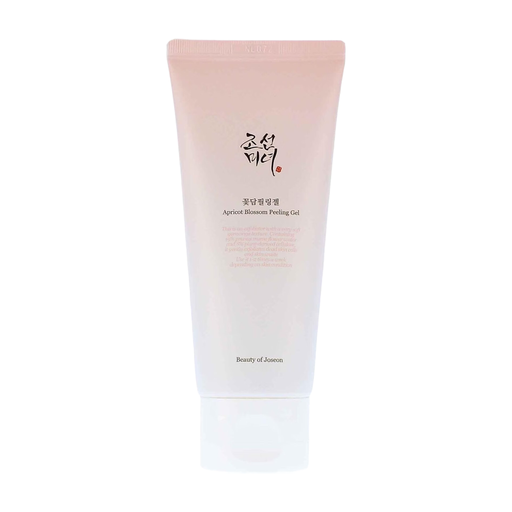
Why This Fits Their Persona: Ideal for those new to exfoliation or who have very reactive skin. This gommage-style peel offers a controlled, gentle exfoliation without aggressive particles or high acid concentrations. It's a safe entry point to get skin accustomed to the regular removal of dead skin cells.
It bypasses the "stronger is better" myth by using plant-based cellulose, which rolls up on the skin and only lifts away loose flakes instead of abrading the skin.
The formula contains moisturising Prunus Mume flower water and soothing plant extracts that nourish the skin during exfoliation and prevent irritation.
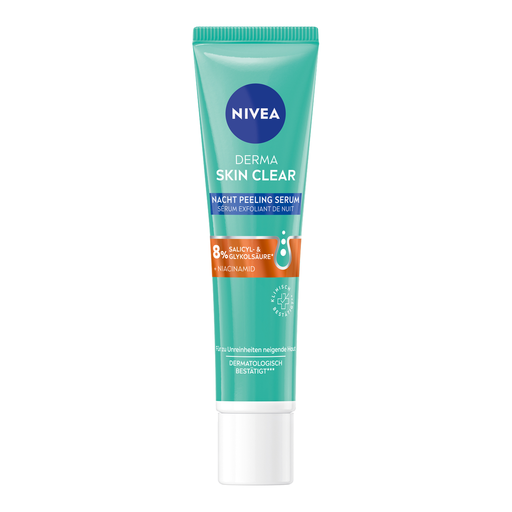
Why This Fits Their Persona: Designed for individuals who want to specifically target pimples, blackheads, and enlarged pores. The overnight application supports the skin's natural renewal process while you sleep, making it easy to integrate into an evening routine.
This product avoids the trap of using the wrong exfoliant type. Instead of a mechanical scrub that could worsen inflammation, it relies on a chemical combination of BHA and AHA that works targetedly within the pores.
The formula combines 8% Salicylic and Glycolic Acid with soothing Niacinamide. According to the manufacturer, its efficacy on blemish-prone skin is clinically tested.
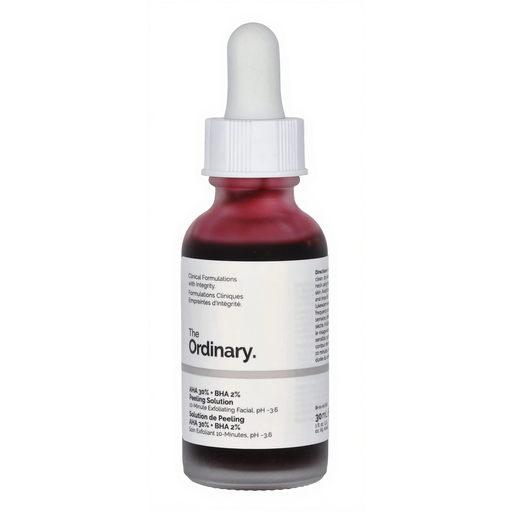
Why This Fits Their Persona: This product is aimed at experienced users of acid peels who are looking for a high-potency at-home treatment to significantly refine skin texture, brighten the complexion, and combat the appearance of fine lines. It is not a product for daily use or for beginners.
It is the opposite of a vague marketing promise. The concentrations are clearly declared, and the usage instructions (no longer than 10 minutes, no more than twice a week) are strict, which avoids the "one-peel-fits-all" trap.
A highly concentrated formula with 30% AHA (Glycolic, Lactic, Tartaric, and Citric Acids) and 2% BHA (Salicylic Acid) for intensive surface exfoliation and deep pore cleansing.
We have compiled a complete, up-to-date list of products that fully meet these strict selection criteria and UK/EU safety regulations.
1. How often should you use a facial exfoliant? The frequency of use depends heavily on the product type and your skin's sensitivity. Gentle mechanical exfoliants or gommage gels can be used 1-2 times a week. Low-concentration chemical exfoliants in the form of toners are often designed for daily use. High-concentration acid masks, like the one from The Ordinary, should not exceed the recommendation of 1-2 times per week. Always read the manufacturer's instructions on the packaging.
2. Do I need to use sunscreen after a fruit acid peel? Yes, absolutely. Both AHA peels and BHA peels increase the skin's sensitivity to light. The daily use of a broad-spectrum sunscreen with at least SPF 30 is essential. This protects the freshly exfoliated, more sensitive skin from UV damage and prevents the formation of new pigmentation spots.
3. What is the difference between a peeling gel and a facial scrub? A facial scrub is a classic mechanical exfoliant that contains abrasive particles to physically polish the skin. A peeling gel often refers to a gommage-type product. With this method, no hard particles are massaged in. Instead, when massaged onto dry skin, small rolls of cellulose and dead skin cells form, which are then rinsed off. This method is considered gentler.