
Lieferung heute & morgen

Qualitätsgarantie

Willkommens-Angebote freischalten: KOSTENLOSE Lieferung | Bis zu 80 % RABATT | Kostenlose 30-Tage-JoyPlus-Testphase
App herunterladen
A clear and even complexion is a common skincare goal. However, with the sheer number of products available, choosing the right facial exfoliant can quickly become overwhelming. From classic scrubs with abrasive particles to chemical formulas and modern ultrasonic devices—each method has its own specific properties.
This guide is designed to give you a clear overview of the different types of skin exfoliation. We will introduce you to various approaches and help you make an informed decision that suits your skin type and needs.
To find the right product, it's helpful to understand the fundamental differences and mechanisms of action. Here are a few points to consider in your decision.
Choosing the exfoliation method is the crucial first step. Each type works differently and is suitable for various skin conditions.
A look at the ingredient list reveals how a product works.
Based on different technologies and applications, we have compiled a selection of products that cater to various needs.
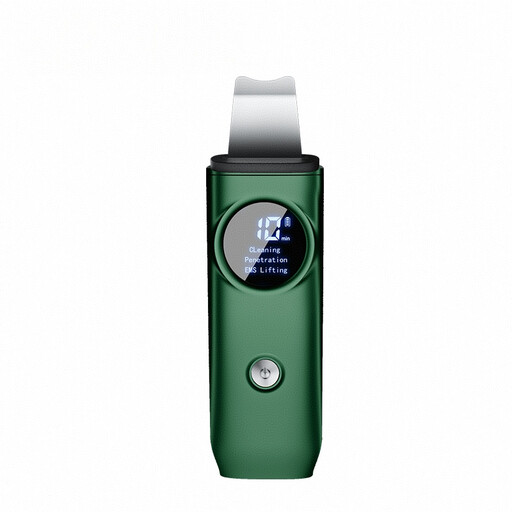
Why It Stands Out: This device represents the technological approach to skin exfoliation. Instead of particles or acids, the Qiweiny Skin Scrubber uses ultrasonic vibrations to deep-cleanse the skin. It is used on damp skin, where the stainless steel spatula is gently guided across the face to dislodge impurities and dead cells.
Benefits:
Who It's For: For individuals seeking a modern, device-based alternative to traditional exfoliants. It is suitable for most skin types, especially those with clogged pores and blackheads who desire a thorough yet non-abrasive cleanse. Proper use on consistently damp skin is important to avoid irritation.
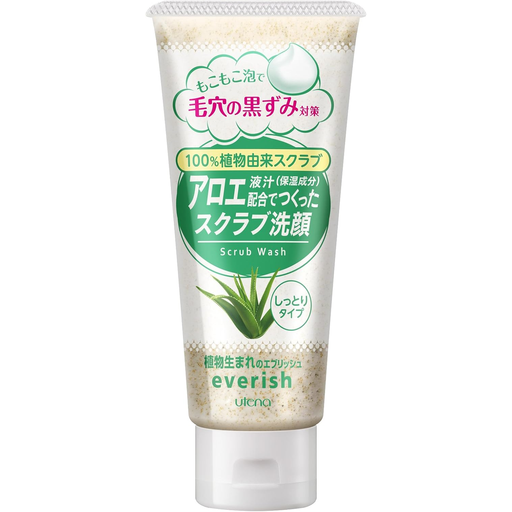
Why It Stands Out: This exfoliating cleanser combines the classic method of mechanical exfoliation with daily cleansing. The formula contains fine particles from walnut shells that effectively remove dead skin cells. At the same time, its foaming texture provides a thorough cleanse of dirt and sebum.
Benefits:
Who It's For: For users who prefer the feel of a traditional scrub and are looking for an efficient solution for their skincare routine. It is well-suited for normal to oily skin. Individuals with very sensitive or acne-prone skin should be cautious with mechanical exfoliants.
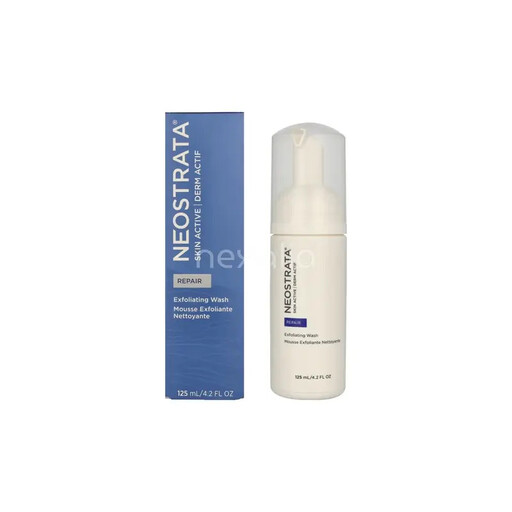
Why It Stands Out: This cleansing foam from NEOSTRATA offers a gentle chemical exfoliation for daily use. The soap-free formula utilizes a blend of Polyhydroxy Acids (PHAs), including Gluconolactone and Maltobionic Acid. These acids exfoliate the skin's surface without causing irritation, making it a great choice for sensitive skin types.
Benefits:
Who It's For: Ideal for individuals with sensitive skin who want to benefit from a chemical exfoliant without risking irritation. It is also an excellent choice for newcomers to the world of acid exfoliants or for mature skin seeking a revitalising and pore-refining effect.
The world of facial exfoliants is diverse and constantly evolving. If the products featured here don't fully meet your expectations, or if you wish to discover more specialised formulas for your individual skin needs, you can find a broader selection in our category.
Discover all our exfoliating cleansers here.
How often should you use a facial exfoliant? The frequency of use largely depends on the product type and individual skin sensitivity. Mechanical exfoliants are generally recommended 1-2 times per week. Gentle chemical cleansing products may be suitable for daily use, as indicated by the manufacturer. For ultrasonic devices, a frequency of 1-3 times per week is often suggested. Always follow the manufacturer's instructions on the packaging.
Which exfoliant helps with blackheads? Both mechanical and chemical exfoliants can help reduce blackheads. A mechanical exfoliant can help physically dislodge existing blockages on the skin's surface. A chemical exfoliant works by dissolving the bonds of sebum and dead skin cells within the pores. An ultrasonic exfoliant is also designed to specifically remove impurities from the pores.
Can I use a chemical exfoliant on sensitive skin? Yes, certain chemical exfoliants are specifically formulated for sensitive skin. Look for products with Polyhydroxy Acids (PHAs) like Gluconolactone. These have a larger molecular structure, penetrate the skin more slowly, and are therefore considered less irritating compared to other acids like AHAs. The NEOSTRATA Exfoliating Wash is an example of such a formulation.