
Lieferung heute & morgen

Qualitätsgarantie

Willkommens-Angebote freischalten: KOSTENLOSE Lieferung | Bis zu 80 % RABATT | Kostenlose 30-Tage-JoyPlus-Testphase
App herunterladen
Finding activities that the whole family can enjoy can be a challenge. It's not always easy to find common ground, especially when dealing with different age groups and interests. Board games offer a valuable opportunity to spend quality time together, share a laugh, and learn from one another through play.
As a Joybuy Product Recommendation Officer, my role is to provide you with clear and objective information. This article is designed to help you make an informed choice by presenting objective criteria and specific product features that could be relevant for your family.
The selection of board games for kids and families is vast. To find the right one, the following criteria can serve as a helpful guide.
The manufacturer's age recommendation is a key indicator. It tells you whether the game's rules and mechanics are suitable for a child's cognitive abilities. A game for eight-year-olds might overwhelm a preschooler, while older children can quickly get bored with rules that are too simple. Some games offer variable difficulty levels to grow with your children's skills.
Consider how many people typically join your game night. Many games are designed for 2–4 players, while others can accommodate larger groups. The estimated game duration is also an important factor. Games lasting 15–30 minutes are ideal for younger children or for a quick round, whereas longer sessions of 60 minutes or more are better suited for older kids and extended family evenings.
Family board games are more than just a pastime. Many are designed to specifically foster certain skills. Educational games can help teach counting, reading, or strategic thinking. Cooperative games, where everyone works together to beat the game, strengthen team spirit. Classic competitive games teach children how to handle winning and losing gracefully. Pay attention to the description of the game mechanics to ensure they align with your children's interests and developmental stage.
Based on objective product features and their suitability for different family dynamics, here is a selection of classic board games.
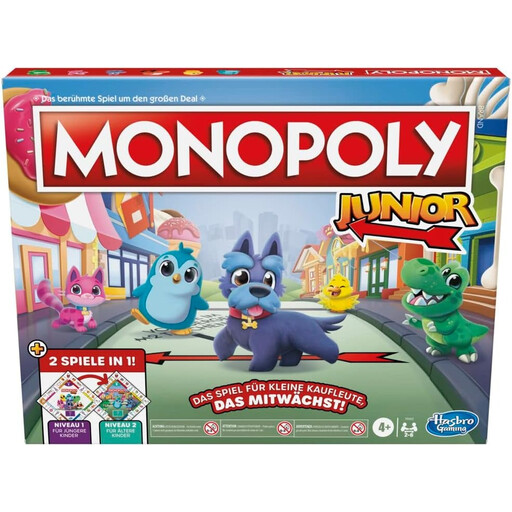
Why It Stands Out: The standout feature of Monopoly Junior is its double-sided game board, which offers two levels of play for different age groups. This allows the game to grow with the child—from simple matching tasks for preschoolers to initial counting and reading exercises for primary school children.
Advantages:
Who Is It For? This game is a great choice for families with children in preschool and early primary school. It serves as a gateway to the world of classic board games and can remain relevant for several years thanks to its two play variants. It also makes an excellent gift for kids aged 4 and up.
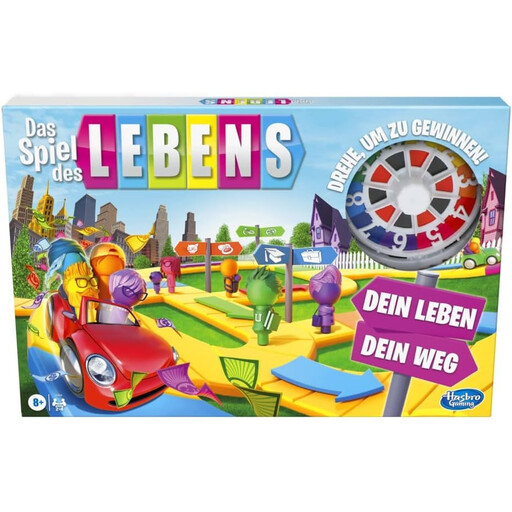
Why It Stands Out: This game simulates a life path full of choices, twists, and events. Players travel across the board in their car, go to college, start a family, and pursue a career. The interaction with Action cards and the spinner ensures a dynamic and unpredictable gameplay experience.
Advantages:
Who Is It For? This game is aimed at families with children aged 8 and up. It is ideal for game sessions where narrative elements and a touch of luck are appreciated. Since it is designed for up to 4 players, it fits well with smaller families or game nights with friends.

Why It Stands Out: Cluedo is a detective game where players must solve a fictional murder through logical deduction. This revised version combines the classic gameplay with a new story and high-quality game components, including six zinc playing pieces.
Advantages:
Who Is It For? This game is designed for families with children aged 8 and up who enjoy puzzles and deduction. It is one of the Hasbro games that rewards strategic thinking and attention to detail, making it perfect for a captivating game night.
Board games are a fantastic way to spend time together. However, sometimes a quicker game is needed for in-between moments or for travel. If you're looking for more compact alternatives that are easy to transport and allow for shorter rounds, it might be worth exploring another category.
Discover a wide selection of kids' card games that offer plenty of variety.
1. What makes a good family board game? A suitable family game has several key characteristics: the rules are understandable for all participants, the game duration fits the attention span of the youngest players, and it offers high replayability. It's also important that the game mechanic (cooperative or competitive) suits the family's dynamic and is enjoyable for everyone involved.
2. At what age are board games beneficial for children? Simple games can be beneficial for children as young as three. These are often based on colours, shapes, or simple matching tasks and help develop fine motor skills. Rule-based board games for kids are typically suitable from the age of four or five, as children at this age begin to follow instructions and wait their turn.
3. How can you establish a regular family game night? A fixed schedule, such as once a week or every two weeks, creates a reliable routine. Let the children take turns choosing the game to boost motivation. The focus should always be on having fun together, not on competition. Snacks and a cosy atmosphere can also help make game night a cherished and established ritual.