
Lieferung heute & morgen

Qualitätsgarantie

Willkommens-Angebote freischalten: KOSTENLOSE Lieferung | Bis zu 80 % RABATT | Kostenlose 30-Tage-JoyPlus-Testphase
App herunterladen
When the temperatures drop, a reliable heat source is essential. Central heating isn't always the most flexible or cost-effective solution, especially when you only need to heat a single room quickly and precisely, like a home office or bedroom. A fan heater with a thermostat offers a practical alternative. It allows for precise temperature control, prevents unnecessary electricity consumption, and ensures consistent warmth.
This article serves as a guide. We'll introduce various types of electric heaters and explain the key features to help you choose the right model for your needs.
Selecting the right device depends on several factors. To make an informed decision, you should consider the following aspects.
The type of heating element determines how quickly and in what manner heat is distributed.
A heater's power is measured in watts (W) and indicates the room size it's suitable for. Operating an energy-saving fan heater is a key concern. An integrated thermostat is crucial here: it automatically turns the device off once the desired room temperature is reached and back on when the temperature drops. Models with an ECO mode also adjust their power automatically to optimise energy consumption.
Modern electric fan heaters offer a range of features that make them safer and more convenient to use.
Here is a selection of different models that cover various needs.
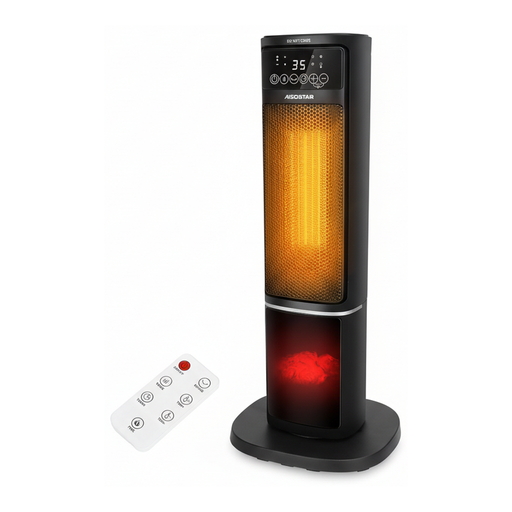
Why this model stands out: This tower fan heater from Aigostar combines rapid PTC ceramic heating technology with a special visual feature: a 3D flame effect that creates a cosy atmosphere. Control via remote or the LED touch panel offers high convenience.
Pros:
Who is it for?: This model is a great choice for users looking for a versatile portable space heater for living rooms or offices up to 20 m? who value ease of use and an appealing design.
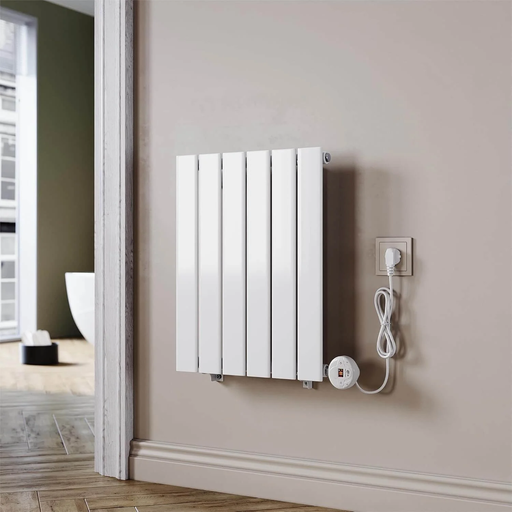
Why this model stands out: The SONNI panel radiator is specifically designed for wall mounting and doubles as a towel warmer. Its programmable thermostat and timer function allow for on-demand, energy-efficient use in the bathroom.
Pros:
Who is it for?: Ideal for homeowners and renters who want to install a permanent electric heater for rooms like the bathroom and appreciate the dual function as a towel warmer.
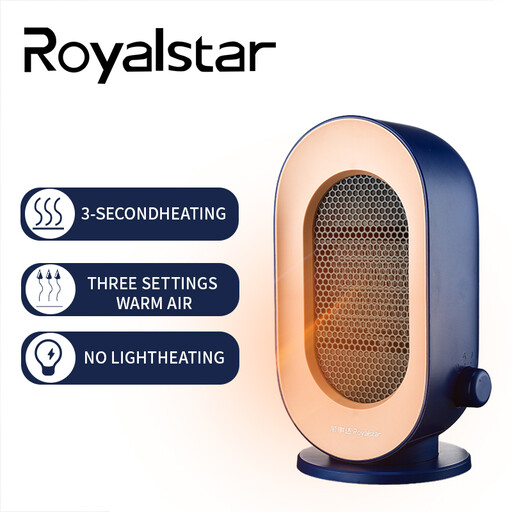
Why this model stands out: This compact device from Royalstar is designed for rapid heat output. According to the manufacturer, it heats up in just three seconds. With its low power rating of 600W, it is intended for use on a desk or for heating your immediate surroundings.
Pros:
Who is it for?: Perfect for individuals who need a quick heat source for a small area, such as at a workstation in a home office or next to an armchair in the living room.
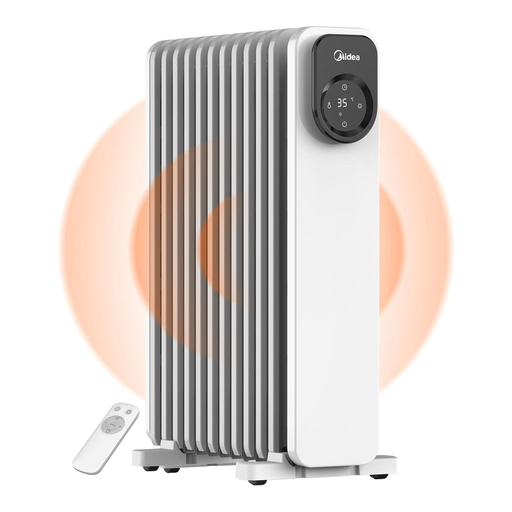
Why this model stands out: The Midea oil-filled radiator provides even, long-lasting radiant heat that can still be felt after the unit is turned off. With four heating modes, an LED touch panel, and a remote control, it combines the benefits of a classic oil radiator with modern convenience.
Pros:
Who is it for?: This electric heater, in the form of an oil-filled radiator, is a great choice for well-insulated rooms like bedrooms or living rooms where consistent and quiet background heat is desired.
While the models featured here cover a wide range of needs, bathrooms often require specialised heating solutions that not only warm the room but also dry towels. These devices are designed for use in damp environments.
Discover our selection of electric oil-filled towel radiators for cosy warmth and dry towels.
Power consumption depends on the device's wattage and duration of use. A 2000-watt fan heater running for one hour at its highest setting will consume 2 kilowatt-hours (kWh). A thermostat significantly reduces consumption because it only activates the unit when the temperature drops below the set point.
PTC ceramic heating elements generally do not reach surface temperatures as high as traditional heating coils, which can reduce the risk of burns from accidental contact. However, the crucial factor for safety is certified protection mechanisms like functional overheat and tip-over protection, which most modern devices have regardless of their heating technology.
A portable space heater is typically designed as a supplementary heat source for individual, limited areas. It can complement central heating in smaller, well-insulated flats or for occasional use, but it is not designed to be the sole, permanent heating solution for an entire house or a large apartment.