
Lieferung heute & morgen

Qualitätsgarantie

Willkommens-Angebote freischalten: KOSTENLOSE Lieferung | Bis zu 80 % RABATT | Kostenlose 30-Tage-JoyPlus-Testphase
App herunterladen
Soaring summer temperatures make the search for effective cooling an annual task for both home and office. The fan market is diverse, offering models for every need—from quiet units for the bedroom to powerful tower fans for large living areas.
This article serves as your practical guide. As your Joybuy Product Recommendation Officer, I have gathered the essential information to help you understand the different fan types and their features. The goal is to provide you with a basis for an informed decision, grounded in objective criteria rather than marketing promises.
To find the right model, it's helpful to know a few fundamental features and types. The following points will help guide your selection.
The fan's design largely determines its primary use case. The most common models are:
Air Cooler is more than just a fan. It uses water to cool the air through evaporation, simultaneously increasing humidity. This can provide added comfort in dry environments.Two of the most important technical specifications are the noise level and the airflow speed.
Modern fans often offer more than just a simple breeze.
Based on the criteria above, we have compiled a selection of models that meet different requirements.
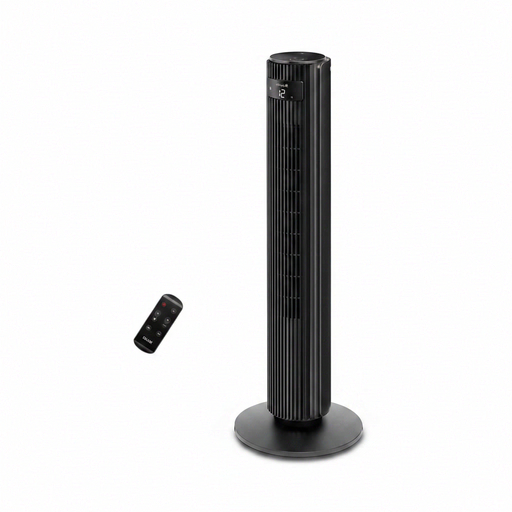
Why It Stands Out: This model combines powerful airflow with quiet operation. The DC motor enables a high wind speed of up to 7.9 m/s while maintaining a low noise level of just 25 dB in sleep mode.
Pros:
Who It's For: Individuals seeking a powerful yet quiet cooling solution for medium to large living spaces or bedrooms, who also value versatile settings.
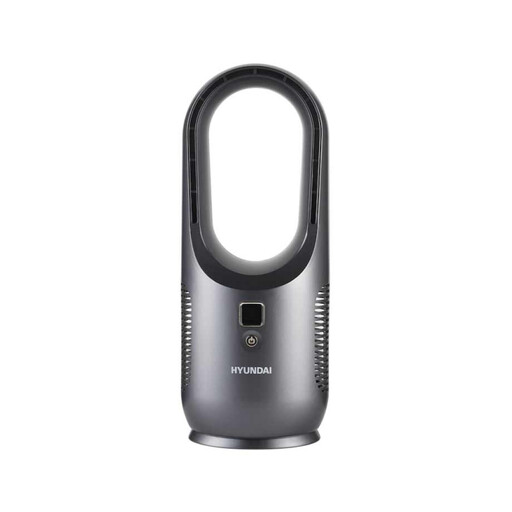
Why It Stands Out: This bladeless fan with a modern design is conceived as a desk fan and operates cordlessly. Its integrated battery makes it a flexible companion at your workspace or in other personal areas.
Pros:
Who It's For: Users looking for a safe, portable fan for their desk or small spaces who prefer a modern, stylish design.
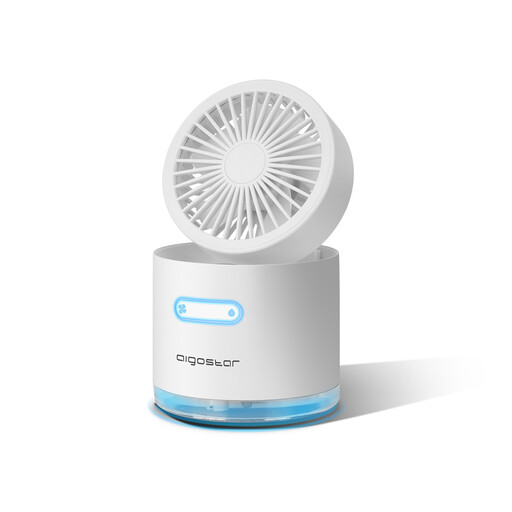
Why It Stands Out: This compact device is a 3-in-1 product: it functions as a fan, air cooler, and night light. By evaporating water from its 300 ml water tank, it provides additional cooling and humidifies the air.
Pros:
Who It's For: Users who need a very compact, personal cooling solution for a desk or nightstand and would benefit from the added humidification in dry rooms.
Our selection covers several common use cases. However, if you want to compare more models or search for devices with other specific features, you can find a wider selection in our comprehensive category.
Discover all our models in the Electric Fan category.
A classic fan circulates the existing room air. The movement of air on the skin creates a cooling effect by evaporating sweat. An air cooler draws in warm air, passes it through a water-soaked filter medium, and releases the cooler, more humid air back out. The cooling effect is often stronger, but it also increases the humidity in the room.
A fan's noise level is measured in decibels (dB). A fan quiet enough for the bedroom should not exceed 30 dB on its lowest setting. This is roughly equivalent to a soft whisper. Models with modern DC motors often achieve levels around 25 dB or even lower, making them particularly well-suited for noise-sensitive environments.
Bladeless fans do not have fast-spinning, exposed blades. The absence of these components reduces the risk of injury, making them a great choice for households with small children or curious pets. Another advantage is that they are generally easier to clean than conventional fans.