
Lieferung heute & morgen

Qualitätsgarantie

Willkommens-Angebote freischalten: KOSTENLOSE Lieferung | Bis zu 80 % RABATT | Kostenlose 30-Tage-JoyPlus-Testphase
App herunterladen
Finding the right pen set can be a challenge. Whether for detailed journaling, clean notes for your studies, or precise sketches, the demands are diverse. Uneven ink flow, smudged lines, or an uncomfortable grip can hinder both creativity and productivity.
This guide is here to help. It objectively presents different types of pens and their features to make choosing the right fineliner set easier. We focus on key characteristics like tip size, ink type, and ergonomic design.
To find the right set for your needs, a few technical aspects are crucial.
The type of ink significantly influences the writing experience and the final result on paper.
For left-handers or people who write quickly, quick-drying pens are an important feature to minimise smudging.
The line width is determined by the pen's tip.
For extended use, the shape of the pen plays a crucial role. Ergonomic pens, for example, with a triangular barrel, support a relaxed grip and can help prevent fatigue. Other functional features include a click mechanism for quick use or a transparent body to monitor the ink level.
Here, we present a selection of pens that stand out with specific features for various applications.
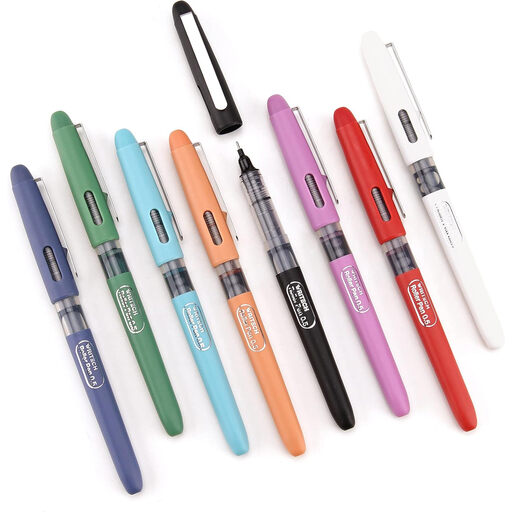
Why it stands out: This set combines the precision of a fine tip with a liquid ink system that ensures a consistently smooth ink flow. The transparent body makes the ink level visible at all times, and the selection of vintage colours offers creative possibilities beyond classic black or blue.
Pros:
Best for: This set is a great choice for bullet journal users and creatives who want to colour-code their notes and drawings. The quick-drying ink also makes it suitable for left-handers.
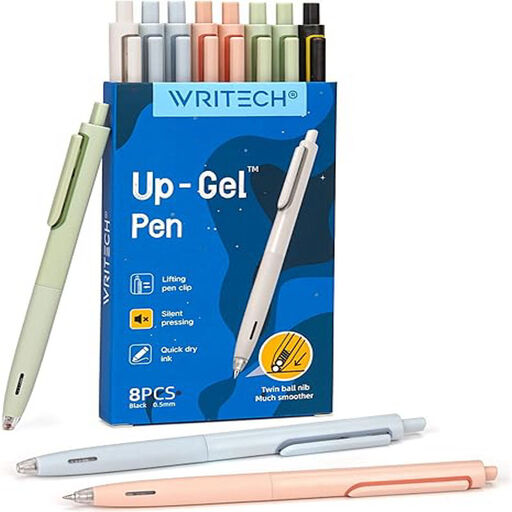
Why it stands out: The standout feature of this gel pen set is its patented silent click mechanism. It allows for quiet operation, which is a great advantage in quiet environments like libraries, lectures, or offices. The ergonomic triangular barrel also promotes a comfortable writing posture.
Pros:
Best for: Ideal for students and professionals looking for a reliable and discreet writing tool for daily use. The combination of ergonomics and a silent mechanism makes it a practical choice for long writing sessions.
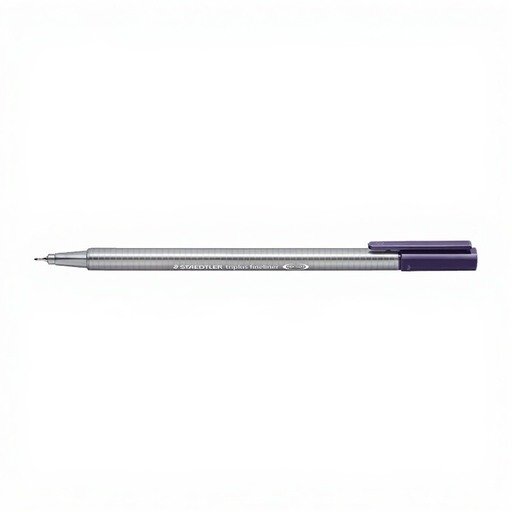
Why it stands out: The Staedtler triplus Fineliner is a classic choice for precision work. With its superfine, metal-encased tip, it allows for exceptionally fine lines. The ergonomic triangular barrel is a hallmark of the triplus series, ensuring relaxed writing and drawing.
Pros:
Best for: This writing tool is aimed at users who require maximum precision, such as architects, designers, and anyone creating technical drawings or preferring very small handwriting in calendars and notebooks.
The products featured here cover common use cases. However, if you are looking for more specialised pens, such as for calligraphy, or an even wider selection of brands and colours, you can find more products in our category.
? Discover more ink pens for urban sketching here
1. What is the difference between fineliners, gel pens, and rollerballs? The main difference lies in the ink and the tip. Fineliners typically use water-based ink and a firm fibre tip. Gel pens use a thick gel ink and a ballpoint tip, which creates a rich, smooth writing experience. Rollerballs use a thinner, more liquid ink than gel pens, also with a ballpoint tip, which allows for a very consistent ink flow.
2. Which pen tip is best for bullet journaling? For bullet journaling, tip sizes between 0.3 mm and 0.5 mm are very popular. A 0.5 mm tip offers a good balance between readability and the ability to write in smaller grids. A 0.3 mm tip is ideal for highly detailed layouts, fine lines, and small handwriting, but it can feel scratchier when writing quickly.
3. How do I prevent ink from smudging on paper? Choose quick-drying pens, especially if you are left-handed. Also, pay attention to the paper quality; coated or very smooth paper requires a longer drying time than absorbent, uncoated paper. Give the ink a moment to dry before running your hand over it or turning the page.