
Lieferung heute & morgen

Qualitätsgarantie

Willkommens-Angebote freischalten: KOSTENLOSE Lieferung | Bis zu 80 % RABATT | Kostenlose 30-Tage-JoyPlus-Testphase
App herunterladen
The authenticity of Southeast Asian dishes often hinges on a single ingredient: the right fish sauce. Whether for a Thai curry, a Vietnamese Ph?, or a zesty dip, this liquid condiment is the foundation for the characteristic deep, savory flavor known as umami. However, when you set out to buy fish sauce, the selection can be overwhelming. Labels differ in origin, ingredients, and concentration.
This guide is here to help. We provide objective information and a selection of products to help you make an informed decision and find the perfect fish sauce for your culinary adventures in Asian cuisine.
A few objective criteria can help you make the right choice. Instead of being swayed by the packaging, it's worth taking a closer look at the details.
Fish sauces are common throughout Southeast Asia, but the most famous varieties come from Thailand and Vietnam.
The origin provides an initial clue to the expected flavor profile and its ideal use in the kitchen.
A short, clear ingredient list is often an indicator of a traditionally made product. The essential components are typically:
Products with a high percentage of fish extract generally offer a more intense depth of flavor. Look for the percentage if it's listed on the label.
The color of a fish sauce can range from a light amber to a deep brown. A darker color often indicates a longer fermentation time and a more complex aroma. Some Vietnamese sauces bear a label like "38N." This value indicates the nitrogen content, which is a measure of protein concentration. A higher N-value signifies a higher concentration and a richer flavor.
Based on the criteria mentioned, we have curated a selection of fish sauces suitable for various applications in preparing Southeast Asian dishes.
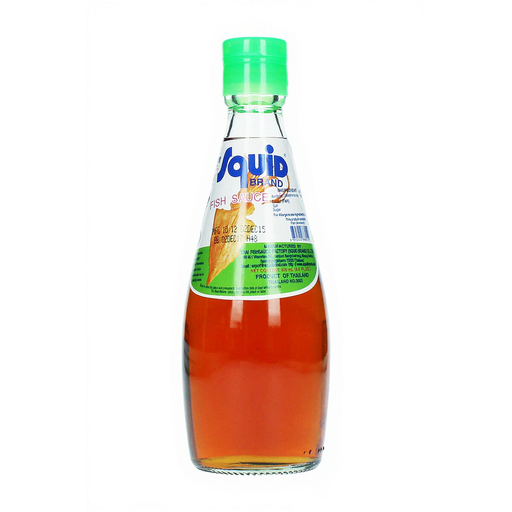
Why It Stands Out This Thai fish sauce is a classic in many kitchens. Its formula is based on a high concentration of 77% anchovy extract, which delivers a robust and authentic umami flavor. The ingredient list is intentionally simple, containing only anchovy extract, water, salt, and sugar.
Pros
Who It's For Home cooks looking for a reliable and flavorful all-purpose fish sauce for Thai and Southeast Asian cuisine.
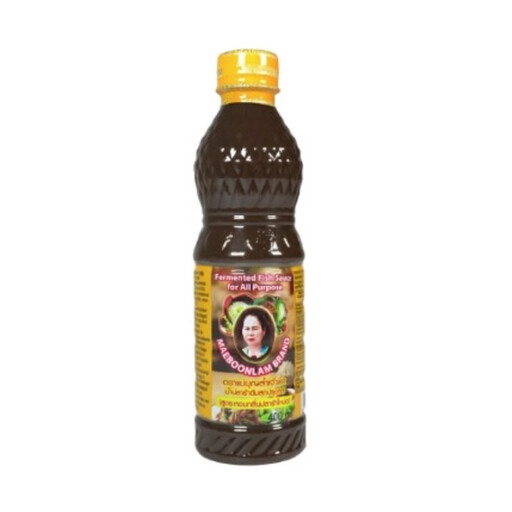
Why It Stands Out The Maeboonlam sauce stands out due to its complex composition. The base is a fermented fish sauce (93%) enhanced with ground roasted rice, sugar, and pickled garlic juice. This gives it a multi-layered profile that goes beyond pure salt and umami.
Pros
Who It's For Cooks looking for a pre-seasoned fish sauce that works both for seasoning and as a standalone component in dishes, bringing a unique flavor note.
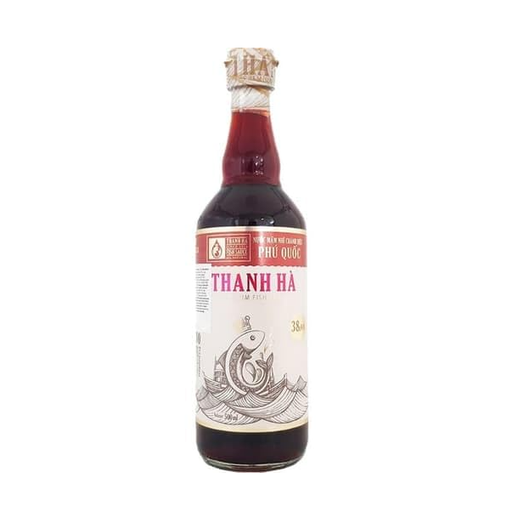
Why It Stands Out This Vietnamese Nuoc Mam is distinguished by its 38N label. This value signifies a high nitrogen and thus protein content, indicating high quality and a particularly rich, deep flavor. It is traditionally produced to deliver an intense yet balanced seasoning.
Pros
Who It's For For enthusiasts of Vietnamese cuisine seeking a high-quality Nuoc Mam with a verifiably high concentration for authentic results, especially for preparing dips and as a finishing seasoning.
The products featured here offer a great entry point into the world of fish sauce. However, every kitchen and every recipe has its own requirements. If you want to discover more varieties or compare different brands and countries of origin, you can find additional alternatives in our collection.
Explore our entire range of Asian fish sauce here
Thai fish sauce (Nam Pla) tends to be saltier and more robust in flavor, making it a sturdy seasoning for cooked dishes. Vietnamese fish sauce (Nuoc Mam) is often described as milder and more balanced, and is more frequently used as a base for dips and dressings. The differences can vary depending on the brand and production method.
Unopened fish sauce should be stored in a cool, dry place away from direct sunlight. After opening, it is recommended to store it in the refrigerator to preserve its freshness and aroma over a longer period. Always check the best-before date on the packaging.
Fish sauce on its own is very salty and intense. It is rarely used alone as a dip. Instead, it serves as a base for dipping sauces. A classic example is the Vietnamese Nuoc Cham, where Nuoc Mam is mixed with lime juice, water, sugar, chili, and garlic to create a balanced, flavorful sauce.