
Lieferung heute & morgen

Qualitätsgarantie

Willkommens-Angebote freischalten: KOSTENLOSE Lieferung | Bis zu 80 % RABATT | Kostenlose 30-Tage-JoyPlus-Testphase
App herunterladen
The selection on the flour aisle can seem overwhelming at first glance. From Type 405 wheat flour to Type 630 spelt flour and special Tipo 00 pizza flour, each variety has specific properties that significantly impact the final bake. Choosing the right baking flour is therefore a crucial step for perfect cakes, breads, or pizzas.
This guide is designed to help you understand the differences between common flour types. We will introduce a selection of products for various applications, enabling you to make an informed decision the next time you buy flour or order flour online.
To find the right flour for your recipe, two criteria are particularly important: the flour type and its intended use.
The type number on the packaging (e.g., 405, 630, or 1050) indicates the flour's mineral content. The number corresponds to the amount of minerals in milligrams per 100 grams of flour.
Every baking project places different demands on the flour.
Here is a selection of flours suitable for different baking projects.
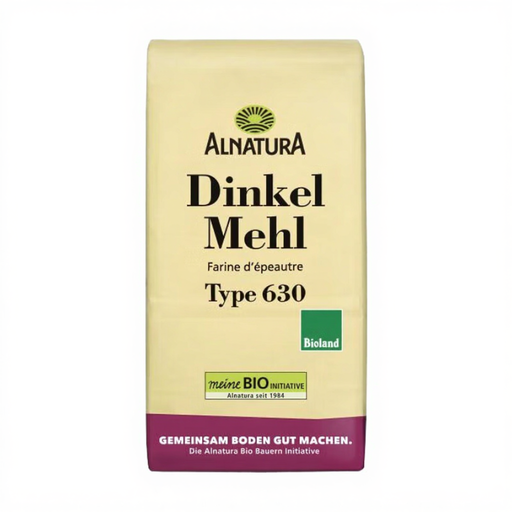
Why it stands out: This spelt flour comes from German Bioland-certified organic farming. It is finely milled and offers a versatile alternative to light wheat flour, making it a great choice for a health-conscious diet.
Advantages:
Who is it for? For home bakers seeking a nutrient-rich alternative to wheat flour who also value organic farming. It can be substituted 1:1 for Type 405 or 550 wheat flour in most recipes, although the kneading time should be slightly shorter.
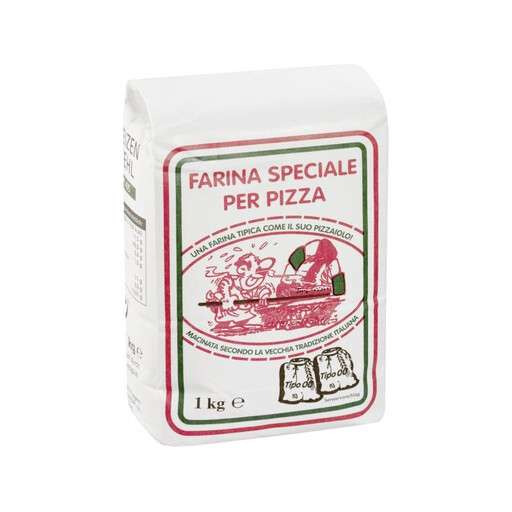
Why it stands out: This specialty flour, classified as "Tipo 00" in Italy, is specifically developed for making pizza dough. Its properties are engineered to create a highly elastic dough.
Advantages:
Who is it for? For anyone who wants to bake pizza at home with an authentic Italian character. It's the foundation for a dough that is easy to shape and has a distinctive texture after baking.
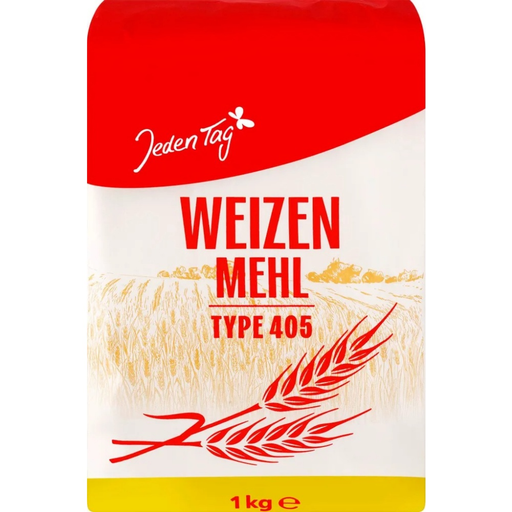
Why it stands out: The Type 405 wheat flour from the Jeden Tag brand is a classic household flour known for its reliability and excellent value for money. It is a staple product for everyday baking.
Advantages:
Who is it for? For budget-conscious home bakers who need a reliable, standard flour for a wide range of recipes. It's the right choice when a recipe simply calls for "wheat flour."
Have you found the right flour, but are still missing other key ingredients for your recipe? A well-stocked pantry is the foundation for any successful bake.
Discover our selection of 1000g Sugar and complete your shopping list for your next baking project.
The type number indicates the mineral content of the flour in milligrams per 100 grams of dry matter. For example, a Type 405 flour contains 405 mg of minerals per 100 g. The higher the number, the more of the grain's bran is included in the flour, making it darker and richer in nutrients and fibre.
A 1:1 substitution is possible in many recipes. However, spelt has different gluten properties than wheat. Spelt dough should be kneaded for a shorter time and more gently to avoid breaking down its structure. The dough might also require slightly more liquid. Flavour-wise, spelt adds a subtle nutty note.
"Tipo 00" is an Italian classification that describes a very fine grind. This flour often has a high protein content, which promotes the development of a strong gluten network. The result is an exceptionally elastic and stretchable dough, ideal for thin pizza bases, that develops a light, crispy crust when baked.