
Lieferung heute & morgen

Qualitätsgarantie

Willkommens-Angebote freischalten: KOSTENLOSE Lieferung | Bis zu 80 % RABATT | Kostenlose 30-Tage-JoyPlus-Testphase
App herunterladen
Dehydrating food is a traditional method for naturally preserving fruits, vegetables, herbs, and even meat. This gentle process of removing water intensifies flavours and extends shelf life, all without artificial additives. The result is nutritious and healthy snacks for the whole family, from homemade apple rings to aromatic dried mushrooms for the pantry.
However, the path to perfect dried fruit isn't always straightforward. Many beginners invest in a dehydrator only to be disappointed by the results. Before you make a purchasing decision, it's crucial to understand the common pitfalls that often lead to useless appliances and wasted food.
Common Problems When Choosing a Food Dehydrator:
To avoid these problems, you should carefully examine three technical features before buying a dehydrator. These are the primary determinants of the drying quality and user convenience.
The way air is distributed inside the unit is critical for even drying. There are two main systems:
Precise control is essential for drying different types of food. Each ingredient has an ideal temperature for preservation:
A food dehydrator with a continuously or incrementally adjustable temperature provides the necessary flexibility. An integrated timer is also an important convenience feature. It allows the drying process to run unattended and automatically shuts off the appliance after the set time has elapsed.
The trays, also called drying racks, should be made of food-grade and heat-resistant material. Look for a BPA-free label to ensure that no harmful plasticisers leach into your food. For straightforward cleaning, it is a great advantage if the trays are dishwasher-safe. The preparation of the food also plays a role. For example, a salad spinner can be useful for efficiently removing excess water from washed herbs or leafy greens before dehydrating, thus speeding up the process.
Based on these objective criteria, we have compiled a selection of products suitable for different needs and user profiles.
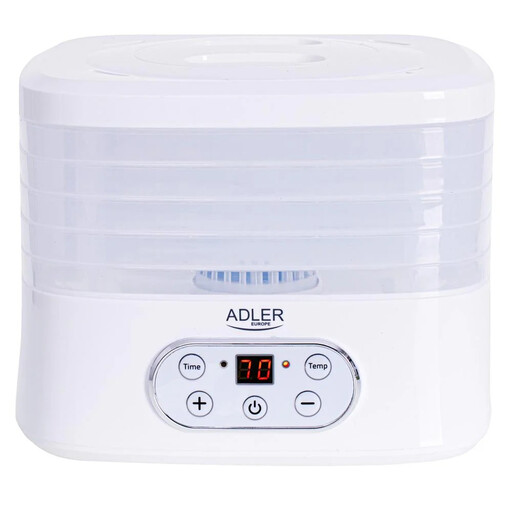
Why This Fits Their Persona: Ideal for anyone who wants to try dehydrating without making a large initial investment. The unit covers the basic functions for making dried fruit or vegetables and is easy to store thanks to its compact design.
The device offers 2-stage temperature control (35°C - 70°C), which provides more flexibility than models with only one setting and reduces the risk of "cooking" the food.
Features a digital timer (1-70 hours) and overheat protection. The five stackable trays are made of polypropylene and are dishwasher-safe.
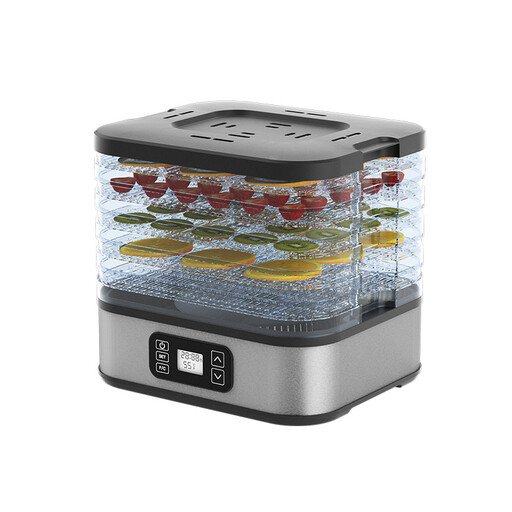
Why This Fits Their Persona: For users who want to dehydrate regularly and versatilely—from herbs and fruits to meat for jerky or treats for pets. The precise controls allow for consistent, reproducible results.
The 360° air circulation system ensures very even drying on all five levels, counteracting the problem of constant tray rotation. The digital temperature control (35°C–75°C) prevents the destruction of nutrients.
Precise digital controls, a long 72-hour timer, and quiet operation (≤45dB). The trays are dishwasher-safe, which simplifies cleaning.
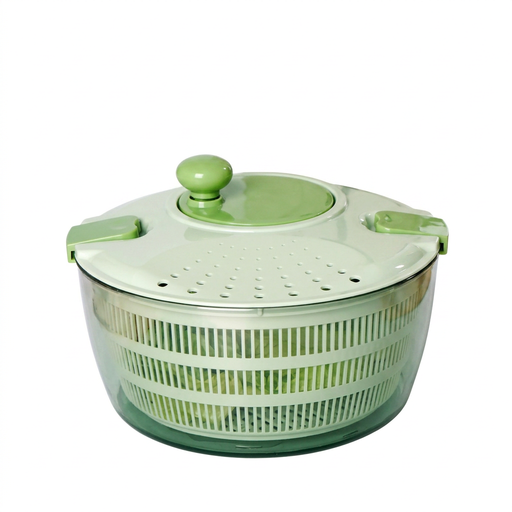
Why This Fits Their Persona: An indispensable tool for anyone who wants to dehydrate herbs, leafy greens, or berries. Preparation is half the battle, and this device ensures an optimal start to the drying process.
It prevents food with too much surface water from entering the dehydrator. This avoids a "steaming" effect and significantly shortens the drying time, leading to better results.
Efficiently removes excess water using centrifugal force. The inner basket can also be used as a colander for washing fruits and vegetables.
For those who want to enjoy the taste of dehydrated foods without operating a machine themselves, there is a wide selection of high-quality ready-made products. These are excellent as a healthy snack or as an ingredient in the kitchen.
We have compiled a complete, up-to-date list of products that fully meet these strict selection criteria and safety regulations.
The power consumption of a home food dehydrator is moderate. A unit with a power rating of 250 to 550 watts is quite energy-efficient. An eight-hour drying cycle is typically very cost-effective, often costing significantly less than buying the equivalent amount of pre-packaged dried foods.
Foods with a very high fat content, such as avocados, olives, or very fatty meats, are less suitable because the fat can go rancid, shortening the shelf life. Likewise, foods with very high water content like cucumbers or watermelons are a challenge, as they leave very little substance behind after drying.
Proper storage is crucial for shelf life. Dehydrated foods must be completely cool before being packaged. Use airtight containers like screw-top jars or vacuum-sealed bags. Store the containers in a cool, dry, and dark place to minimise the degradation of vitamins and the loss of colour and flavour. Stored correctly, dried fruits and vegetables can last for many months, or even over a year.