
Lieferung heute & morgen

Qualitätsgarantie

Willkommens-Angebote freischalten: KOSTENLOSE Lieferung | Bis zu 80 % RABATT | Kostenlose 30-Tage-JoyPlus-Testphase
App herunterladen
A well-organized kitchen not only saves time but also helps reduce food waste. However, the search for the right food storage container set can quickly become overwhelming. Different materials, lid types, and sizes make the decision complex. Often, mismatched containers and lids pile up in cabinets while food in the refrigerator loses its freshness.
This article serves as your guide. We'll introduce various criteria that are relevant when choosing kitchen storage containers and present a selection of products that stand out with specific features for different uses.
To make an informed decision, a few technical features are important. These determine how practical and durable a pantry container set will be in daily use.
The choice of material affects durability, weight, and potential uses.
A reliable seal is crucial for keeping food fresh and preventing leaks.
For efficient kitchen organization, the shape of the containers is key. Rectangular or square containers make the best use of space in cabinets and the refrigerator. A set designed to be stackable, where containers of the same size fit on top of each other and different sizes nest inside one another, ensures maximum order and saves valuable storage space.
Based on the criteria mentioned, we have compiled a selection of products that cater to different needs—from preparation and storage to presentation.
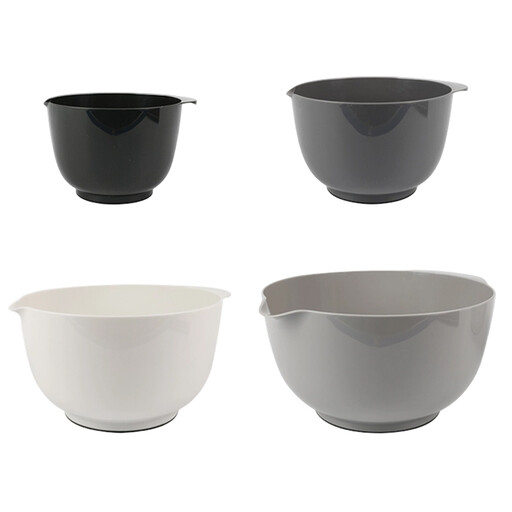
Why It Stands Out: This set combines the function of mixing bowls with that of storage containers. The non-slip base provides stability when preparing dough or salad, while the matching lids allow for subsequent storage in the refrigerator.
Pros:
Who It's For: This set is a great choice for those who want an all-in-one solution for preparing and storing dishes like salads, doughs, or marinated meats. It reduces the number of kitchen utensils needed.
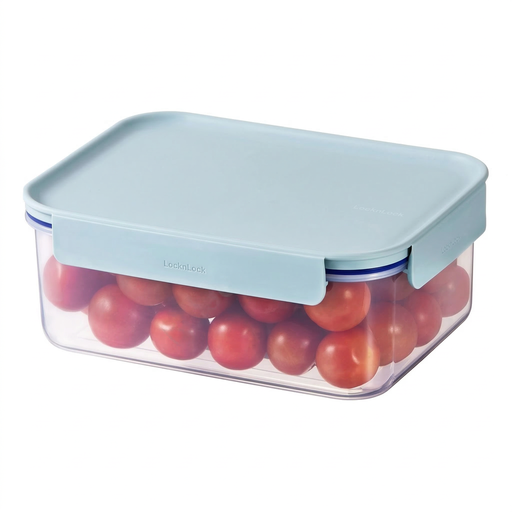
Why It Stands Out: LocknLock is known for its reliable locking systems. This model features a twist-lock lid that ensures an exceptionally tight seal. It is available as a single product, allowing you to build a custom pantry container set according to your needs.
Pros:
Who It's For: Ideal for users who prioritize a maximum seal and want the flexibility to build their own set from various sizes. Especially suitable for storing dry goods like flour, sugar, or cereal, as well as for meal prep containers.
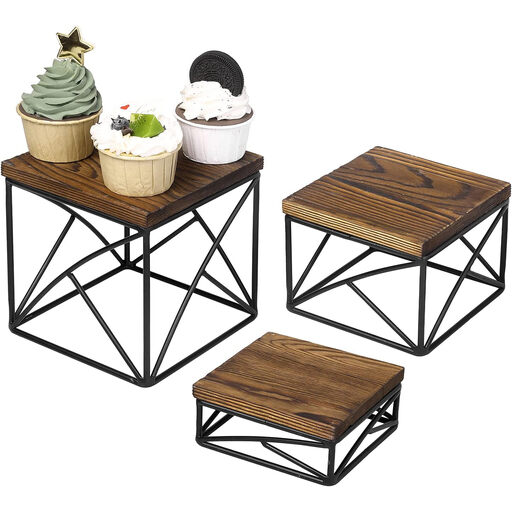
Why It Stands Out: This product is not a traditional food storage container set but rather a complement for the elegant presentation of food. It addresses kitchen organization from a different perspective: serving.
Note: This product is designed for presentation and is not intended for airtight food storage.
Pros:
Who It's For: For those who frequently entertain guests or want to stylishly showcase their culinary creations on buffets, at parties, or in a café. It is a solution for presentation, not for storage.
If the featured products don't exactly meet your needs or if you're looking for a wider selection of sizes, materials, and shapes, it's worth exploring other solutions. In our category, you'll find a broad range of containers to help you design an efficient and organized kitchen.
? Discover more stackable kitchen containers here
1. What does "BPA-free" mean and why is it important? BPA (Bisphenol A) is an industrial chemical used to make certain plastics. There is concern that BPA can leach from containers into food. "BPA-free" means the product was made without this chemical, which is preferred by many consumers for products that come into contact with food.
2. Are all food storage containers microwave and dishwasher safe? No, not all of them. Suitability depends on the material and manufacturing process. Plastic containers should be explicitly labeled as "microwave-safe." It is often recommended to remove the lid or place it loosely on top when heating in the microwave. Information on dishwasher safety can also be found in the manufacturer's specifications. Glass containers are usually less problematic, but here too, specific instructions should be followed.
3. How can I check if a container is truly airtight? A simple test is to fill the container with some water, seal it tightly, and then shake it and turn it upside down. If no water leaks out, it is at least leak-proof. An airtight seal is harder to test, but a leak-proof closure is a strong indicator that air exchange is also minimized, which preserves the freshness of food for longer.