
Lieferung heute & morgen

Qualitätsgarantie

Willkommens-Angebote freischalten: KOSTENLOSE Lieferung | Bis zu 80 % RABATT | Kostenlose 30-Tage-JoyPlus-Testphase
App herunterladen
A good food storage container is an unsung hero of the daily kitchen routine. It keeps food fresh, organises the refrigerator, and makes taking meals to-go effortless. But the market is flooded with products whose promises don't hold up in daily use. A leaky container in your bag or a lid that warps after just a few washes are frustrating and costly experiences. Before you make a purchase, it's crucial to understand the typical pitfalls that often only become apparent after you buy.
Many consumers rely on marketing claims that disappoint in practice. Pay close attention to these three points to avoid a bad purchase:
To make the right choice, you should focus on objective and verifiable product features. These three parameters are crucial for the longevity and functionality of your kitchen storage containers.
The choice of material depends directly on your intended use. There's no one-size-fits-all answer, but there are clear pros and cons.
A lid is only as good as its seal. This is what separates the good from the great.
Practical details determine how much you'll enjoy using your pantry containers in your daily routine.
Instead of presenting an overwhelming list, we've selected products that meet specific user profiles and avoid the pitfalls mentioned.
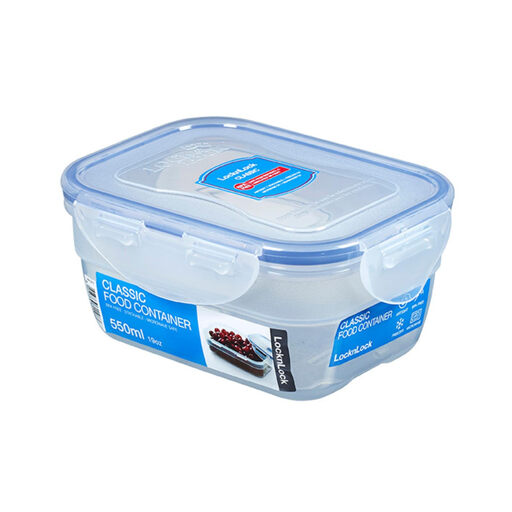
Why This Fits Their Persona: This lightweight and durable BPA-free plastic container is ideal for daily lunches at the office or university. At 550 ml, it's the perfect size for a single portion and fits easily into a backpack or bag.
The patented 4-sided locking system with a hollow-core silicone seal ensures a reliable closure. This delivers on the "leak-proof" promise, even with soups or sauces.
Lightweight, shatterproof, and suitable for the microwave (without lid), freezer, and dishwasher. The stackable design saves space.
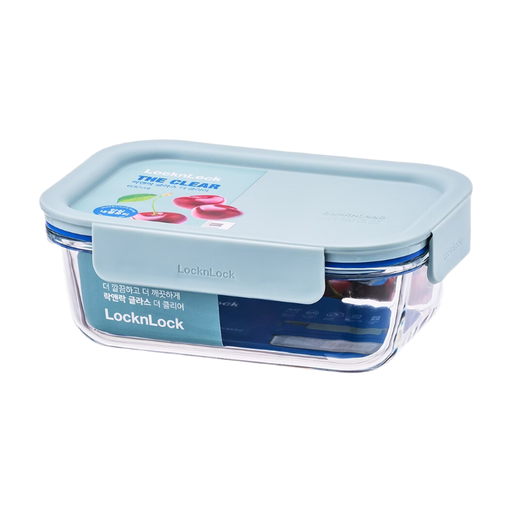
Why This Fits Their Persona: For anyone seeking a durable and versatile solution. This glass food storage container can be used for cooking in the oven, storing in the fridge, and serving at the table, which reduces washing up.
The heat-resistant borosilicate glass (oven-safe up to 400°C, according to the manufacturer) solves the problem of warped or stained plastic containers. It is completely odour- and taste-neutral.
Maximum versatility: Suitable for the oven, microwave, freezer, and dishwasher. The airtight lid keeps food fresh for longer.
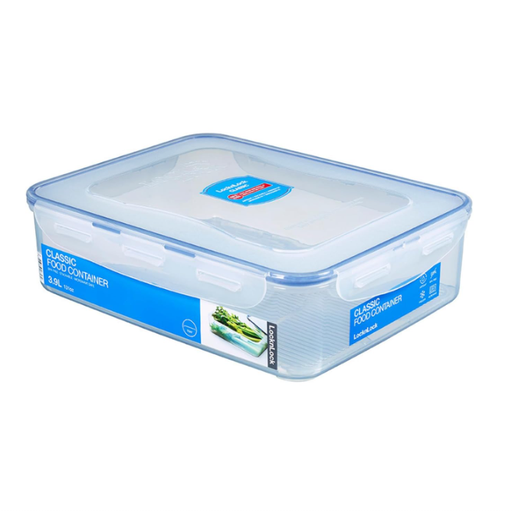
Why This Fits Their Persona: Ideal for storing large quantities or delicate foods like salad, berries, or meat. This large pantry container brings order to your pantry and refrigerator.
The integrated drainer tray solves the problem of soggy fruits and vegetables. It keeps food separated from condensation, which significantly extends freshness—a key advantage over standard containers.
A large 3.9-litre volume combined with a functional drainer tray. The proven 4-clip lock ensures airtight and watertight storage.
We have compiled a complete, up-to-date list of products that fully meet these strict selection criteria and safety regulations.
1. Are glass food storage containers really better than plastic ones? No material is universally "better"; it all depends on the intended use. Glass (especially borosilicate glass) is more hygienic, doesn't stain or absorb odours, and is oven-safe. However, it's heavier and breakable. Plastic (PP) is lightweight, shatterproof, and ideal for on-the-go. When choosing plastic, it's important to look for BPA-free quality and ensure it's suitable for the microwave and freezer.
2. How do I clean the seal on my food container correctly to keep it leak-proof? For longevity and hygiene, the silicone gasket, if removable, should be cleaned separately on a regular basis. Wash it by hand with warm water and mild dish soap, and let it dry completely before reinserting it. This prevents the buildup of moisture and germs that can make the material porous. Avoid harsh detergents and abrasive sponges.
3. What does "BPA-free" mean, and why is it important for kitchen storage containers? BPA (Bisphenol A) is a chemical compound used as a plasticiser in some plastics. It is suspected of being harmful to health, as it can leach from the material into food. The BPA-free label guarantees that the food storage container is made from a plastic that does not contain this substance. This is especially important for containers used to heat or store food for extended periods.