
Lieferung heute & morgen

Qualitätsgarantie

Willkommens-Angebote freischalten: KOSTENLOSE Lieferung | Bis zu 80 % RABATT | Kostenlose 30-Tage-JoyPlus-Testphase
App herunterladen
By Joybuy Product Recommendation Officer, August 30, 2026
A high-quality food storage container is a cornerstone of an organised kitchen and a healthy diet. It helps reduce food waste, enables meal prep, and safely stores leftovers. However, the market is flooded with products that often fail to live up to their promises in practice. Calling a lunch box leak-proof when it ruins the contents of your backpack, or a container that gets permanently stained after its first encounter with tomato sauce, are common frustrations. These problems are not just annoying; they also lead to unnecessary expenses.
Before you make a purchase, it's crucial to understand the typical weak points that can render a once-promising container useless:
To avoid these pitfalls, you should base your decision on objective criteria. Three parameters are central to the longevity and functionality of your kitchen storage containers.
The choice of material has the greatest impact on applications, durability, and maintenance.
A lid alone does not make a container leak-proof. The combination of the locking mechanism and the gasket is what counts.
The versatility of a food storage container is defined by its temperature resistance. Check the manufacturer's specifications carefully:
Instead of making a one-size-fits-all recommendation, we have identified products that meet specific needs and purposefully avoid the weaknesses mentioned earlier.
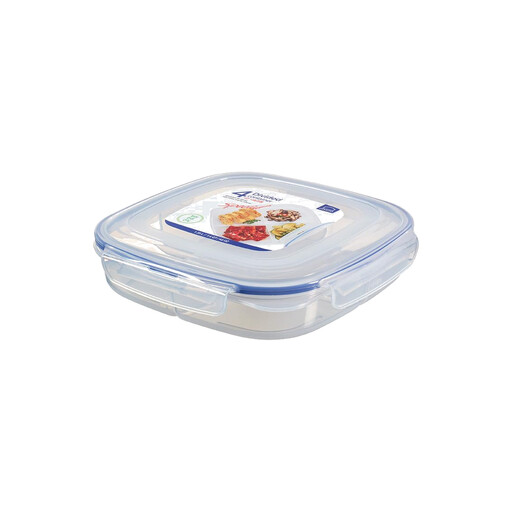
Why This Fits Their Persona: Ideal for individuals who prepare their meals for the entire week. The set and integrated dividers allow for clean separation of the main course and side dishes in a single container. The lightweight PP material makes transport effortless.
The 4-sided locking system with a silicone seal ensures reliably leak-proof transport. The high-quality, BPA-free PP material is resistant to warping in the microwave or dishwasher.
Practical food container set with integrated dividers for maximum organisation. Suitable for the freezer, microwave, and dishwasher.
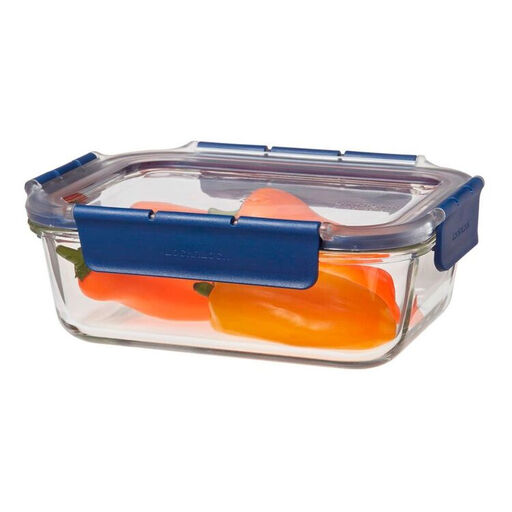
Why This Fits Their Persona: Perfect for anyone seeking a versatile solution for cooking, baking, serving, and storing. The container can go directly from the oven to the table and then into the fridge for storage.
The borosilicate glass is resistant to stains and odours. The robust Tritan lid is more shatter-resistant and dimensionally stable than standard plastic lids and can be stacked securely thanks to its raised edge.
Extremely versatile: Oven-safe up to 400°C (without lid), freezer- and microwave-safe. The 4-sided locking system ensures an airtight and watertight seal.
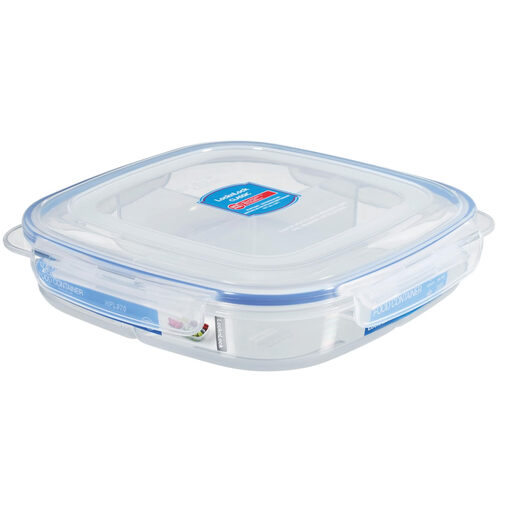
Why This Fits Their Persona: This box is designed for the daily transport of lunches and snacks. It is lightweight, durable, and has a practical size for a backpack or work bag.
LocknLock's proven locking system reliably prevents liquids from leaking—the main problem with many lunch boxes. The material is shatterproof and withstands daily use without issue.
Its light weight and a completely tight seal make it the ideal leak-proof lunch box for on-the-go. It is also microwave- and freezer-safe.
We have compiled a complete, real-time list of products that fully satisfy these strict selection criteria and UK safety regulations.
There is no one-size-fits-all answer; it depends on the intended use. Glass containers excel in hygiene, heat resistance (oven), and neutrality to odours and stains. They are ideal for storage at home and for cooking. Plastic containers are lighter, shatterproof, and often more affordable, making them a great choice for transport, for children, or for organising dry goods.
For a thorough cleaning, the silicone seal should be regularly removed from the lid. Wash it by hand with warm water and mild dish soap, or place it in the top rack of the dishwasher. Allow the seal and lid to dry completely before reassembling them. This prevents mould growth and unpleasant odours.
BPA (Bisphenol A) is a chemical compound that was used in the manufacturing of certain plastics. It is suspected of having harmful health effects, especially when it leaches from the plastic into food. The "BPA-free" label on a plastic food storage container signals that the manufacturer uses materials that do not contain this specific chemical. This is an important quality mark for products that come into contact with food.