
Lieferung heute & morgen

Qualitätsgarantie

Willkommens-Angebote freischalten: KOSTENLOSE Lieferung | Bis zu 80 % RABATT | Kostenlose 30-Tage-JoyPlus-Testphase
App herunterladen
A flawless complexion is the canvas for many makeup looks, but applying foundation can be a challenge. Streaks, an uneven result, or a cakey effect are common problems. Often, the cause lies not just with the product itself, but also with the tool used. A suitable foundation brush can make all the difference, ensuring a professional, natural finish.
This article serves as your guide. We will highlight the key features to look for when making your selection and present a range of models for different needs and budgets. Our goal is to provide you with a solid basis for an informed decision, so you can find the perfect tool for your routine.
The selection of makeup brushes is vast. To make the right choice, a few objective criteria are crucial.
The shape of the brush head is a key factor in the final result. Each shape is optimised for specific foundation textures and application techniques.
The bristle material affects how the foundation is picked up and applied to the skin.
Based on functionality, material, and design, we have curated three distinct models for you.
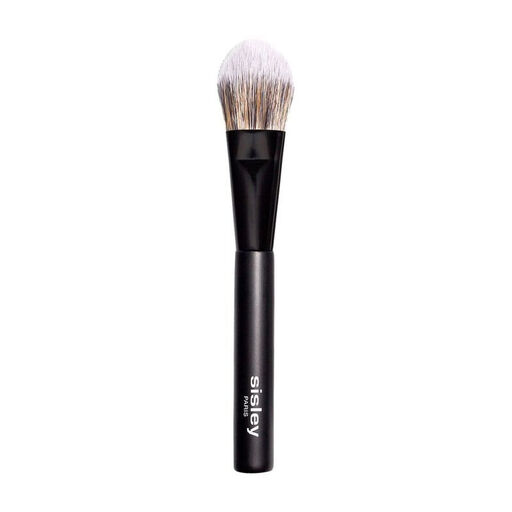
Why It Stands Out: The Sisley Fluid Foundation Brush was specifically designed for applying liquid foundation. Its wavy and dense structure of fine synthetic bristles is engineered to distribute product evenly without leaving streaks. The ergonomically shaped handle ensures controlled and comfortable handling when applying foundation.
Benefits:
Who It's For: This brush is aimed at users who primarily use liquid foundation and value a precise, professional-looking result. It is an excellent choice for anyone looking to invest in a durable and specialised tool.
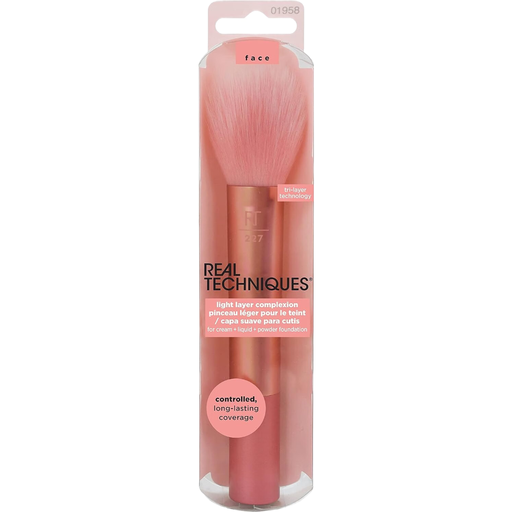
Why It Stands Out: This model from Real Techniques is notable for its versatility. Its unique feature is the "Tri-layer Bristle Technology," where bristles of different lengths work together to pick up and release product in a controlled manner. This makes the brush suitable for both liquid foundation and loose or pressed powder.
Benefits:
Who It's For: Ideal for makeup enthusiasts looking for a versatile tool that works with various types of foundation. Those who enjoy customising their coverage and prefer a light, natural finish will find this to be a perfect solution.

Why It Stands Out: The DUcare No.55 is a Kabuki brush with an extremely high density—according to the manufacturer, it has over 200,000 soft, synthetic bristles. This density allows for quick and efficient blending of foundation to achieve a poreless finish with minimal product waste. The hexagonal handle fits comfortably in the hand, facilitating precise control.
Benefits:
Who It's For: This brush is an excellent choice for anyone aiming for a flawless, full-coverage result. Its shape and density make it particularly effective for quickly blending foundation over larger areas. It appeals to budget-conscious buyers seeking a high-performance tool.
The selection presented here covers a range of needs. However, if you wish to compare other shapes, brands, or specific brush types, you can find additional alternatives in our comprehensive category.
Explore the Full Range of Foundation Brushes Here
1. How do I apply foundation correctly with a brush? Start with a small amount of foundation in the centre of your face (nose, forehead, chin). Work the product outwards towards the edges of your face using gentle, sweeping or circular motions. For higher coverage, you can also use the brush to stipple the foundation. It's important to blend the transitions at the hairline and neck well.
2. Which brush is best for liquid foundation? For liquid foundation, densely packed brushes with synthetic bristles are ideal. Flat top Kabuki brushes or rounded foundation brushes allow for an even, streak-free application. The synthetic bristles absorb less product, ensuring the foundation ends up on your skin, not in the brush.
3. How do I clean my foundation brush? Regular cleaning is important to prevent bacteria buildup and product residue. Hold the bristles under lukewarm water. Apply a small amount of mild soap or a special brush cleanser to your palm and swirl the brush in it. Rinse thoroughly until the water runs clear. Gently squeeze out the excess water, reshape the brush head, and let it air dry, preferably lying flat or hanging upside down.