
Lieferung heute & morgen

Qualitätsgarantie

Willkommens-Angebote freischalten: KOSTENLOSE Lieferung | Bis zu 80 % RABATT | Kostenlose 30-Tage-JoyPlus-Testphase
App herunterladen
Anyone living in a smaller flat, a shared apartment, or a student dorm knows the challenge: where do you put your clothes when there's no room for a bulky wardrobe? A freestanding clothes rack is often a flexible and stylish solution. It requires no drilling, is easy to take with you when you move, and can act as a deliberate design element in your space.
This article serves as a helpful guide. It introduces various models and explains which criteria are important when choosing one, helping you find a functional and suitable solution for your hallway, bedroom, or dressing area.
Before you make a decision, a few practical considerations should come first. The right choice depends on your available space, the amount of clothing you have, and your organisational needs.
The material determines not only the look but also the stability. A metal clothes rack is a common choice as it is generally robust, durable, and easy to clean. Models made of powder-coated steel or iron offer excellent stability and pair well with minimalist or industrial interior styles. Always pay attention to the maximum load capacity specified by the manufacturer. This figure is crucial to ensure the rack remains stable even when fully loaded with heavy winter coats.
Modern clothes racks often offer more than just a place to hang things. A clothes rail with a shelf is particularly practical for storing shoes, storage boxes, or folded garments. Additional hooks on the sides are perfect for bags and scarves, while models with integrated drawers provide discreet storage for smaller accessories. Such a multifunctional hallway coat stand can replace several pieces of furniture, saving valuable space.
The key advantage of a freestanding clothes rack is its flexibility. Measure the intended space carefully before deciding on a model. There are particularly narrow designs for slim hallways or small alcoves. A clever solution for space-saving clothes storage are L-shaped corner clothes racks, which make excellent use of unused corners. These models transform an often-overlooked area into functional storage space.
Based on functionality, material, and design, we have compiled a selection of different models that meet various requirements for an open wardrobe.
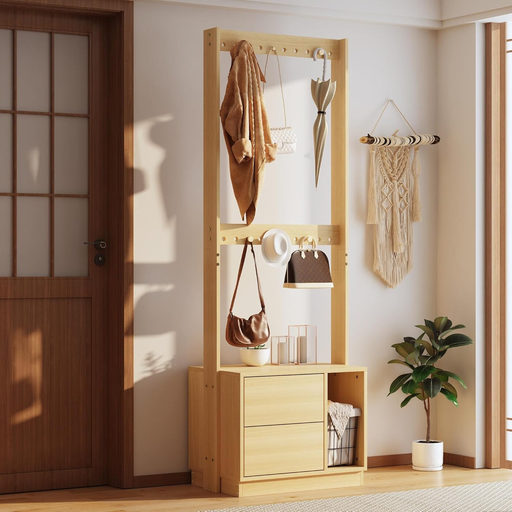
Why this model stands out: The Caldion clothes rack combines open and closed storage elements in a compact footprint. With a width of just 60 cm, it offers a clothes rail, a hook rack, and two pull-out drawers. The combination of a metal frame and oak-effect MDF panels gives it a modern yet homely look.
Pros:
Who is it for?: This model is an excellent choice for those looking for an all-in-one solution for the hallway. It is perfect for keeping jackets, shoes, keys, and other small items organised in one place.

Why this model stands out: The fabric wardrobe from Ochama is a complete alternative to a traditional wardrobe. With a width of 150 cm and 12 storage compartments, it offers enormous capacity. The non-woven fabric cover protects clothes from dust and ensures a tidy appearance.
Pros:
Who is it for?: Ideal for students, people in temporary accommodation, or as an interim solution. Anyone who needs maximum storage space and wants to protect their clothes from dust will find this a very practical and cost-effective option.
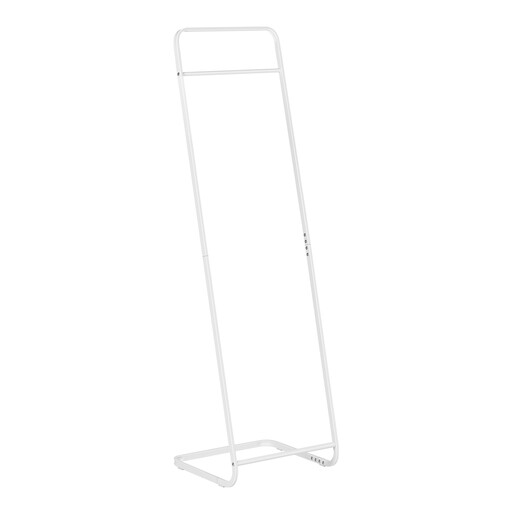
Why this model stands out: This metal clothes rack from WOLTU is specifically designed to utilise room corners. Its L-shape is extremely space-saving and, according to the manufacturer, requires a footprint of only 0.16 m?. The minimalist design in white blends discreetly into any environment.
Pros:
Who is it for?: This model is the right choice for anyone looking for a minimalist hanging solution for an unused corner. It is a very space-saving clothes storage option for a few essential garments.
A freestanding clothes rack is a personal choice that depends on style and functionality. If you are looking for specific materials, sizes, or designs not featured here, you can find a wider selection of solutions in our Metal Wardrobe Storage category.
The load capacity varies greatly depending on the model, material, and construction. Simple models often support around 10 kg, while more robust versions can hold significantly more. It is essential to check the manufacturer's specific details and not exceed them. For example, the WOLTU rack's load capacity is specified as 10 kg, while the shelves on the Caldion model are designed for 5 kg each.
To ensure stability, you should consider the following points:
That depends on personal preferences and needs. An open wardrobe offers advantages such as better air circulation for clothes and a quick overview of your wardrobe. It can make a room feel airier and larger. The downside is that clothes are exposed to dust, and the area must always look tidy to avoid appearing cluttered. Models with a fabric cover, like the featured Ochama wardrobe, offer a good compromise.