
Lieferung heute & morgen

Qualitätsgarantie

Willkommens-Angebote freischalten: KOSTENLOSE Lieferung | Bis zu 80 % RABATT | Kostenlose 30-Tage-JoyPlus-Testphase
App herunterladen
Freezing food is an effective method to extend its shelf life, preserve nutrients, and reduce food waste. However, improper storage can lead to freezer burn, loss of flavour, or a cluttered freezer. Choosing the right freezer bag is therefore crucial for success.
This article serves as a practical guide. It introduces different types of freezer bags and highlights their specific features, such as material, seal type, and volume. The goal is to provide you with an informed basis for your decision, whether you're freezing garden harvests, prepping meals, or safely storing liquids.
The functionality of a freezer bag is determined by several factors. Considering these criteria will help you find the product that best meets your needs.
A key quality indicator is the material's thickness. Heavy-duty freezer bags are often made from multi-layer films. This structure offers enhanced protection against food dehydration and significantly reduces the risk of freezer burn. Furthermore, tear-resistant materials are more durable against sharp or pointed items like bones or frozen vegetables, preventing the bag from tearing and thus avoiding contamination in your freezer.
The type of seal affects the bag's handling and leak-proof performance.
Freezer bags are available in various standardised sizes to meet different needs.
Some models, like stand-up freezer bags, offer additional convenience. They can be stood upright, which makes filling them with liquid or pourable foods much easier and ensures space-saving, upright storage in the freezer.
Based on the criteria mentioned, we have compiled a selection of products with different features, designed for various household applications.
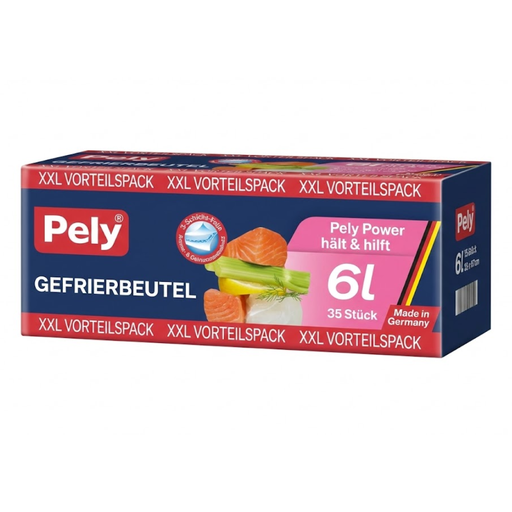
Why It Stands Out This freezer bag is designed for freezing particularly large food items. According to the manufacturer, the optimised 3-layer film provides reliable protection against freezer burn and is especially tear-resistant. The extra-wide opening makes it easy to fill with bulky frozen goods, while the integrated write-on label helps with organised storage.
Advantages
Who is it for? For households that regularly freeze large quantities, whether from bulk shopping, their own harvest, or in preparation for holidays.
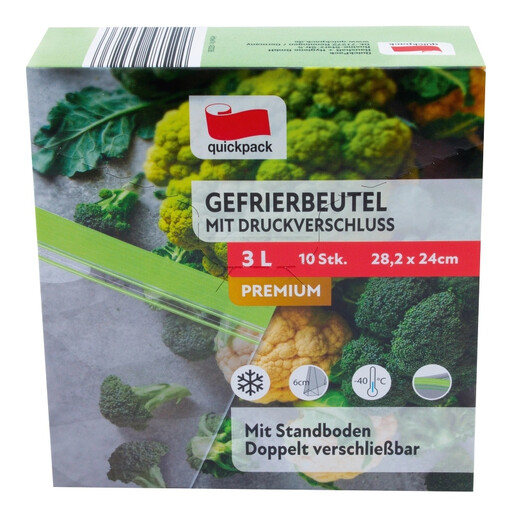
Why It Stands Out This product combines two practical features: a sturdy stand-up bottom and a double-press seal. The stand-up bottom ensures the bag stands on its own, making it clean and easy to fill with soups, sauces, or stews. The double-seal mechanism guarantees a high level of leak protection.
Advantages
Who is it for? For people who frequently meal prep and want to freeze soups, sauces, or other liquid foods securely and without a mess.
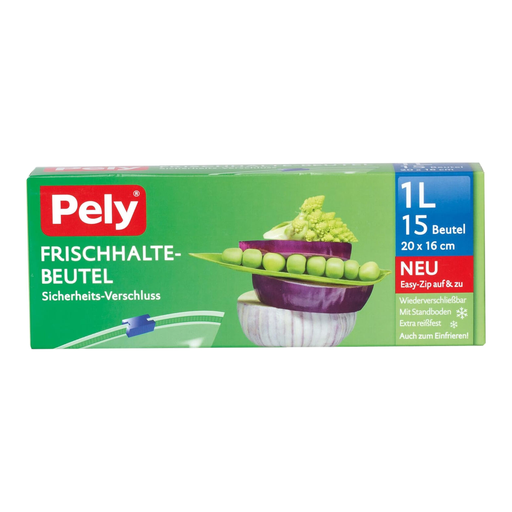
Why It Stands Out This resealable bag with a 1-litre capacity is a versatile helper. The secure zip closure is easy to operate and seals reliably. According to the manufacturer, the bag is leak-proof and meets the requirements for carrying liquids in hand luggage on flights. The stand-up bottom also makes filling easier.
Advantages
Who is it for? For individuals, small households, and travellers looking for a reliable solution for freezing smaller quantities or safely transporting liquids and cosmetics.
If the models presented here don't exactly match your requirements, a broader selection might be helpful. Different household needs call for specific solutions, whether in terms of size, material, or seal type.
Discover more options in our Plastic Bags category to find the perfect product for your kitchen.
The main difference lies in the material. Freezer bags are made of a thicker, more durable plastic (often polyethylene, PE) specifically designed for low temperatures. It remains flexible even at sub-zero temperatures and doesn't become brittle. It also provides a better barrier against air and moisture, which effectively prevents freezer burn. Conventional food storage bags are thinner and primarily intended for short-term storage in the refrigerator or at room temperature.
Freezer burn occurs when air comes into contact with the surface of the frozen food, causing it to dry out. To minimise this, you should fill the bag and then press out as much air as possible before sealing it tightly. For liquids, it's advisable to leave some space (about 2-3 cm) at the top, as liquids expand when they freeze.
Reusability depends on the type of bag and its previous contents. Sturdy freezer bags with zip closures that held dry foods like bread or vegetables can be reused after a thorough cleaning with warm water and dish soap. For hygiene reasons, it is not recommended to reuse bags that contained raw meat, fish, or very greasy foods.