Proper food storage is a fundamental aspect of modern household management. It not only helps to extend shelf life and preserve nutrients but also to reduce food waste. Freezer bags and related products like food storage bags or vacuum sealer bags are essential tools for this purpose. Choosing the right bag depends on the material, sealing mechanism, and specific application. This guide analyses the technical criteria relevant for making an informed purchasing decision.
Buyer's Guide: What to Look for When Choosing Freezer Bags
The functionality of a freezer bag is determined by its material properties and construction. The following parameters are crucial for evaluation.
1. Material and Food-Grade Safety
The material is the most important factor for safety and performance. Most commercial bags are made of polyethylene (PE), often in the form of LDPE (Low-Density Polyethylene). For more demanding applications like vacuum sealing or sous vide cooking, multi-layer films made of polyamide (PA) and polyethylene (PE) are frequently used.
- BPA-Free: Bisphenol A (BPA) is a chemical compound found in some plastics. Products declared as BPA-free do not contain this substance. This is a key quality indicator for items that come into direct contact with food.
- Food-Grade Safety: In the EU, materials intended for food contact must comply with Regulation (EC) No 1935/2004. The "glass and fork symbol" identifies products certified as food-safe. Under normal conditions of use, they do not release any substances harmful to health into the food.
2. Sealing Mechanisms
The seal determines the bag's airtightness and, consequently, its ability to protect against freezer burn and flavour loss.
- Press Seal (Ziplock Bag): A single or double press seal allows for repeated opening and closing. A double zipper generally provides a tighter seal and is particularly advantageous for liquid contents like soups or sauces.
- Heat Sealing (Vacuum Bags): With vacuum sealer bags, air is almost completely removed using a vacuum sealer, and the opening is then thermally sealed. This process maximises shelf life by significantly slowing down oxidation.
- Ties or Clips: Simple food storage bags are often tied in a knot or secured with clips. This method is sufficient for short-term storage in the refrigerator but is less suitable for freezing, as it does not provide a hermetic seal.
3. Reusability and Material Thickness
Sustainability plays an increasingly important role for many consumers. Reusable freezer bags are an alternative to single-use products.
- Material Thickness: A greater material thickness (measured in micrometres, ?m) increases the bag's tear resistance and barrier properties. Thicker bags are often more resistant to sharp edges (e.g., from bones) and are better suited for reuse.
- Cleaning: Reusable models must be cleaned thoroughly after each use. It is important to check whether the manufacturer recommends cleaning by hand or in the dishwasher.
Featured Products for You
Based on the technical criteria mentioned, we present a selection of products with different areas of focus.
For Organised Storage: Freezer Bag 1L Double Zip Stand-Up
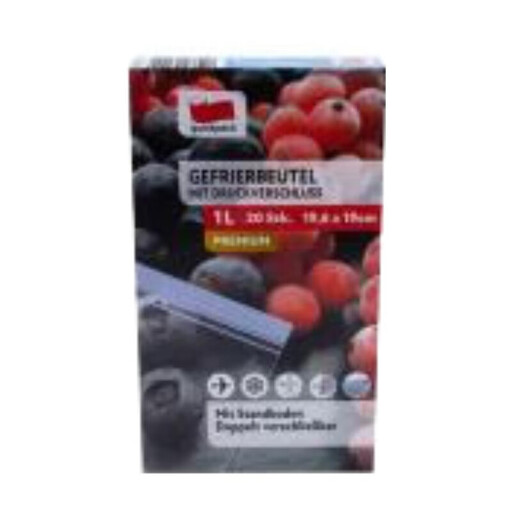
- Why we recommend this product: This product combines two practical design features: a double ziplock bag seal for a secure closure and a stand-up base. The stand-up base makes filling easier, especially with liquid or semi-liquid foods, and allows for upright, space-saving storage in the freezer.
- Benefits:
- Double Zipper: Provides an enhanced seal against leaks and freezer burn.
- Stand-Up Design: Allows for easy filling and neat organisation.
- 1-Litre Volume: A versatile size for portions of soup, sauces, fruit, or vegetables.
- Who it's for: Individuals who regularly meal prep, freeze liquids, and value a well-organised freezer.
For Maximum Freshness and Sous Vide: ATSHARK Vacuum Sealer Bags
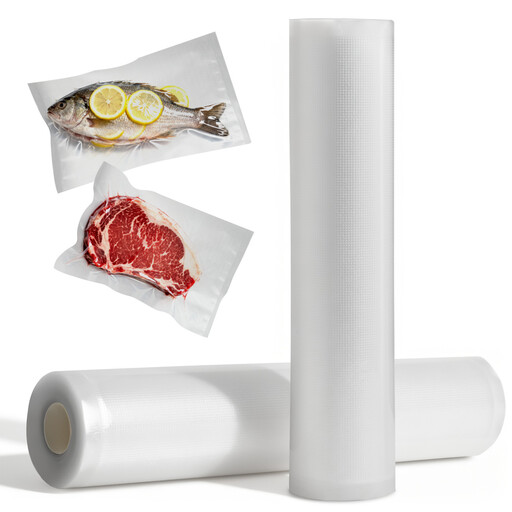
- Why we recommend this product: These vacuum sealer bags are supplied on rolls, allowing you to customise the bag size for each food item. According to the manufacturer, the PA+PE composite film material is durable, temperature-resistant, and BPA-free. The textured surface aids in efficient air extraction.
- Benefits:
- Customisable Length: The rolls (28 x 600 cm) allow for flexible sizing and reduce material waste.
- PA+PE Composite Material: Offers high tear resistance and an effective oxygen barrier.
- Temperature Resistance: Suitable for freezing, microwaving, and as sous vide bags.
- Who it's for: Home chefs, sous vide enthusiasts, and households looking to store foods like meat, fish, or vegetables for extended periods while maximising quality preservation.
The Sustainable Alternative: Alpina 3 Pack Reusable Food Storage Bags
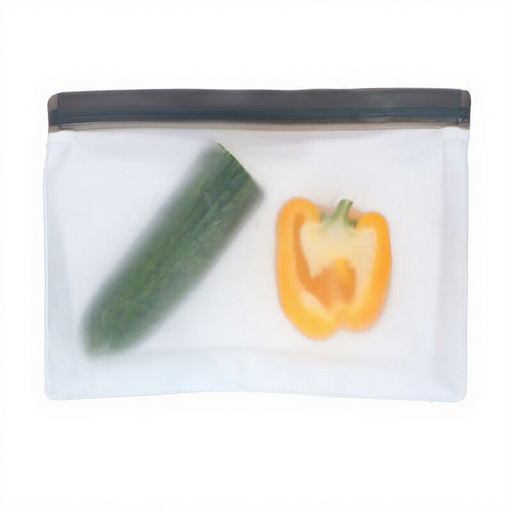
- Why we recommend this product: This set addresses the growing demand for sustainability in the kitchen. The reusable freezer bags are made from a durable plastic and can be used again after cleaning. The set includes three different sizes (450 ml, 1 L, 1.8 L) to cover a variety of needs.
- Benefits:
- Reusable: Reduces single-use plastic consumption and conserves resources.
- Set of 3 Sizes: Offers flexibility for storing snacks, leftovers, or ingredients.
- Secure Zip Seal: Ensures a reliable seal in the fridge and freezer.
- Who it's for: Eco-conscious consumers and anyone looking for a durable, versatile solution for storing food in the fridge, freezer, or on the go.
Discover More Options and Alternatives
The products featured cover specific use cases. If you haven't found the right solution for your individual needs, you can find a wider selection of food storage products in our main category.
Discover more Kitchen Food Bags for your needs.
Frequently Asked Questions (FAQ)
1. What is the difference between freezer bags and regular food storage bags? The primary difference lies in material thickness and temperature resistance. Freezer bags are typically made from a thicker, more cold-resistant plastic (usually LDPE) that remains flexible and does not become brittle at low temperatures. This effectively protects frozen goods from freezer burn. Simple food storage bags are thinner and designed primarily for short-term storage at refrigerator or room temperature.
2. Are reusable freezer bags hygienic and safe? Yes, provided they are used and cleaned correctly. It is crucial to wash the bags thoroughly with warm water and washing-up liquid after each use to prevent bacterial growth. Ensure the bags are completely dry before using them again. Products made from food-safe certified materials like silicone or thick PE are safe for repeated contact with food.
3. Can you put hot food directly into freezer bags? It is recommended to let food cool to room temperature before bagging it. Pouring hot food into the bags can cause the plastic to warp or release unwanted substances. Furthermore, condensation will form inside the bag, which promotes the formation of ice crystals and can impair the quality of the frozen goods. Rapidly cooling large quantities of hot food in the freezer can also unnecessarily raise the appliance's internal temperature.
Written by the Joybuy Product Recommendation Officer


