
Lieferung heute & morgen

Qualitätsgarantie

Willkommens-Angebote freischalten: KOSTENLOSE Lieferung | Bis zu 80 % RABATT | Kostenlose 30-Tage-JoyPlus-Testphase
App herunterladen
Purchasing a new fridge-freezer is a major decision for any household. The appliance runs 24/7, affecting not only the freshness of your food but also your energy bill. However, the market is saturated with marketing promises and technical specs that often confuse more than they clarify. As your Joybuy Product Recommendation Officer, I'm here to help you separate fact from fiction and make an informed decision.
Before you choose a model, you should be aware of the three most common pitfalls that lead to dissatisfaction and unnecessary costs.
To avoid a purchasing mistake, focus on objective, measurable criteria. These three parameters are crucial for long-term satisfaction with your new fridge-freezer.
The size of the appliance should match your household and shopping habits. A common guideline is:
The design is just as important. A freestanding fridge offers maximum placement flexibility. For smaller kitchens or alcoves, models with a slim 55cm width are ideal, as they often provide surprising storage capacity despite their compact dimensions. Pay attention to details like reversible door hinges to perfectly adapt the appliance to your kitchen layout.
The annual energy consumption, listed in kilowatt-hours (kWh/a) on the energy label, is the decisive factor for running costs. An appliance with energy efficiency class C can save several hundred euros in electricity costs over its lifespan compared to a class F model. Don't be fooled by the lower purchase price of a less efficient appliance—you'll quickly make up the difference on your energy bill.
The noise level is an often-underestimated comfort factor. It is measured in decibels (dB) and is logarithmic—a reduction of just 3 dB equates to halving the perceived noise.
Modern convenience features like Total No Frost prevent ice build-up throughout the entire appliance. Systems such as "Multi-Airflow" distribute cold air evenly, keeping food fresh for longer. Also, consider the design, whether you prefer a classic white, a modern black fridge, or an elegant stainless steel fridge.
Here are some models that represent a considered choice based on objective criteria for different needs.
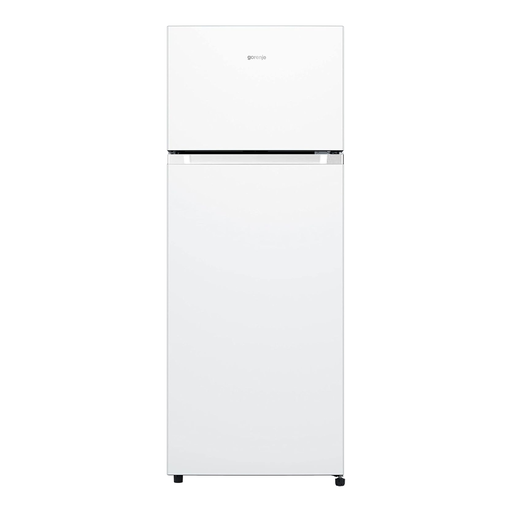
Why This Fits Their Persona: With its slim 55cm width, this appliance fits perfectly into compact kitchens. The 206-litre capacity (165L fridge, 41L freezer) is designed for one to two-person households that value functionality without unnecessary frills.
The noise level is clearly stated at 40 dB, so there are no false expectations of a whisper-quiet appliance. Its E energy class is a transparent and standard rating for this price and size category.
Compact dimensions (55 cm width) and a reversible door hinge offer maximum installation flexibility. The LED lighting ensures good visibility.
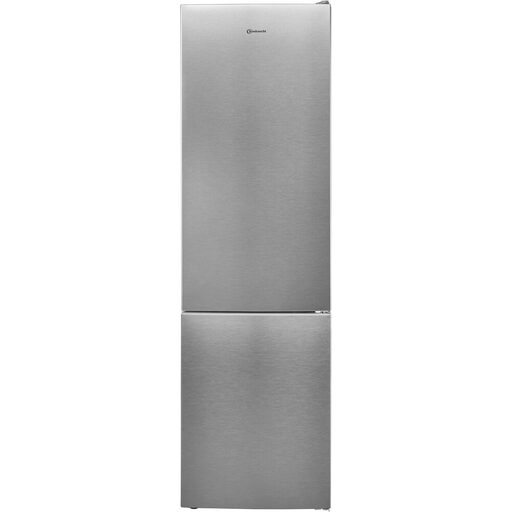
Why This Fits Their Persona: With a 355-litre capacity, this appliance offers ample space for a family's weekly shop. Its combination of high efficiency and advanced features is aimed at users seeking a long-term, cost-saving investment.
This model addresses all three pitfalls: it has an A energy efficiency class, is extremely quiet at 32 dB, and features a full-fledged NoFrost technology. There are no compromises on core features.
Outstanding energy efficiency (Class A) and extremely quiet operation. The flexible Multi Zone allows a compartment to be converted from a freezer to a fridge.

Why This Fits Their Persona: A mobile cooling solution is essential for campers, truck drivers, or the next road trip. This 12V/24V car cooler box offers enough space with its 42-litre capacity and can reliably cool and even freeze thanks to its compressor technology.
The main pitfall with mobile cooler boxes is a drained vehicle battery. This model counters that with an intelligent 3-stage battery protection system that monitors voltage and shuts the unit off in time.
Universal connection options (12V/24V DC & 100-240V AC) for car and mains socket. The efficient compressor enables rapid cooling down to -18°C.
We have compiled a complete, up-to-date list of products that fully meet these strict selection criteria and German safety regulations.
The average lifespan of a fridge-freezer is about 10 to 15 years. The actual duration heavily depends on the quality of the appliance, frequency of use, and regular maintenance. A well-ventilated location and regular cleaning of the seals can extend its lifespan.
The climate class indicates the ambient temperature range in which the appliance operates optimally. This is particularly important if the fridge with freezer compartment is to be placed in an unheated basement or a warm garage. The classes are:
For optimal air circulation and energy efficiency, a freestanding fridge should not be pushed directly against a wall or other furniture. As a rule of thumb: leave about 5 cm of space on the sides and top, and about 5-10 cm at the back. This prevents heat build-up around the compressor and reduces energy consumption.