
Lieferung heute & morgen

Qualitätsgarantie

Willkommens-Angebote freischalten: KOSTENLOSE Lieferung | Bis zu 80 % RABATT | Kostenlose 30-Tage-JoyPlus-Testphase
App herunterladen
Purchasing a new fridge-freezer is a major decision for any household. The appliance runs around the clock, affecting not only the freshness of your food but also your energy bill. However, the market is flooded with marketing promises and technical specs that often confuse more than they clarify. As your Joybuy Product Recommendation Officer, I'll help you separate the crucial facts from the marketing fluff.
Many buyers focus on seemingly obvious features, overlooking critical details that make a real difference in daily use. Before you make a decision, you should be aware of the most common pitfalls that can lead to dissatisfaction and unnecessary costs.
To make an informed decision, you should focus on three core parameters. These objective criteria will help you correctly assess the performance and suitability of a fridge-freezer for your household.
The first question should always be: How much space do I need? A common guideline is:
Measure the available space in your kitchen precisely before deciding on a design. A freestanding model offers flexibility in placement. For large households or open-plan kitchens, a Side-by-Side refrigerator, often called an American-style refrigerator, is worth considering. These models offer an especially large storage capacity and often include extra features like a built-in ice dispenser. When planning, also account for the space needed for the doors to open.
The EU energy label provides two crucial values:
The noise level, specified in decibels (dB), is particularly relevant in open-plan kitchens. An appliance is considered quiet if its value is below 40 dB. Models at 35 dB or less are barely perceptible. An inverter compressor often contributes to quieter and more energy-efficient operation.
Modern cooling technologies ensure longer freshness and less maintenance.
Here are some models that represent a considered choice for different needs and households, based on objective technical parameters.
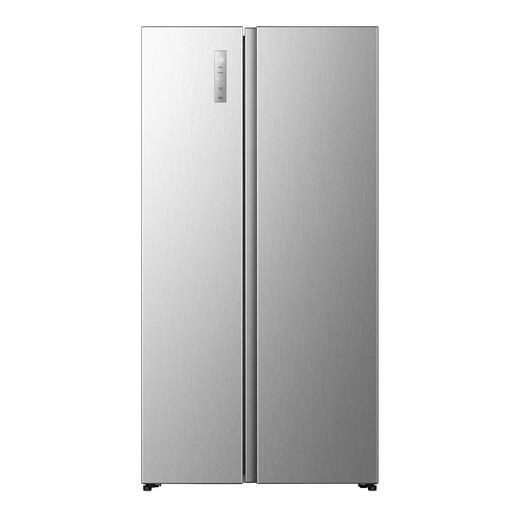
Why it's a good fit: With 544 litres of usable capacity, this side-by-side model offers ample space for a family's weekly shop. The combination of a good Energy Class C rating and an inverter compressor ensures controlled running costs and quiet operation.
The appliance features Total No Frost for both compartments and clearly states an annual consumption of 204 kWh. The large net usable capacity is transparently listed, offering real value.
Generous 544-litre capacity and a Super Cool function to quickly chill new groceries.
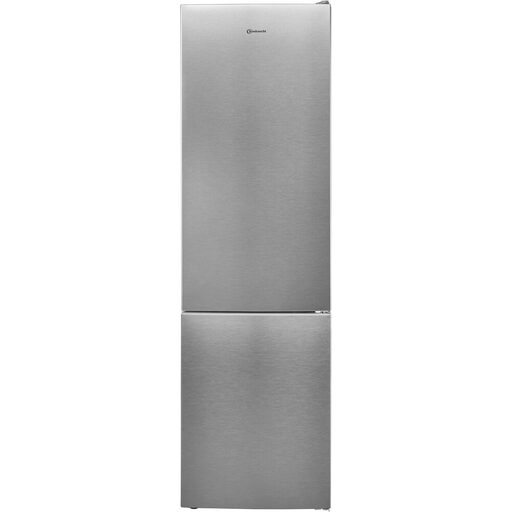
Why it's a good fit: For anyone who prioritises minimal running costs and a quiet environment. Its Energy Class A rating and a noise level of just 32 dB set the standard in this category. Ideal for open-plan kitchens or noise-sensitive homes.
This model goes beyond its class designation, delivering an extremely low absolute consumption value of 112 kWh/year. The NoFrost technology is combined with an Even-Flow fan to keep food fresh.
Outstanding Energy Class A rating, extremely quiet operation (32 dB), and a flexible Multi-Zone that can be used as either a fridge or a freezer compartment.
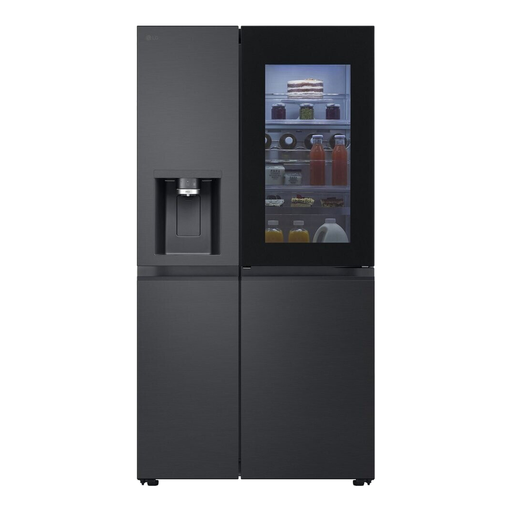
Why it's a good fit: A statement piece for modern kitchens. The InstaView window, the Craft Ice maker for spherical ice, and the huge 628-litre capacity make it the ideal choice for those who frequently entertain guests and value design and innovative features.
Instead of empty marketing promises, this model offers tangible benefits: the InstaView feature saves energy by reducing the need to open the door. The UVnano technology in the water dispenser ensures hygiene.
InstaView Door-in-Door, Craft Ice maker for special drinks, and very quiet operation at 35 dB despite its enormous size.
We have compiled a complete, up-to-date list of products that fully meet these strict selection criteria and all relevant safety standards.
The consumption of an Energy Class C appliance depends heavily on its size. A smaller model with a 250-litre capacity might use around 140 kWh per year, while a large Side-by-Side refrigerator with over 500 litres can exceed 200 kWh, even in Class C. Therefore, always compare the absolute annual consumption in kWh shown on the energy label to estimate the actual costs.
The climate class indicates the ambient temperature range in which the appliance operates optimally. The most common class in Europe is SN-T, which means the refrigerator works efficiently in ambient temperatures from +10°C to +43°C. This is important if the appliance is to be placed in an unheated basement (not below 10°C) or a warm attic kitchen.
The lifespan of a modern refrigeration appliance is typically around 10 to 15 years. Models with an inverter compressor may have a longer lifespan, as the motor runs more consistently and is subject to less wear and tear. Regular cleaning and ensuring adequate ventilation at the back of the unit can also help maintain its functionality for many years.