
Lieferung heute & morgen

Qualitätsgarantie

Willkommens-Angebote freischalten: KOSTENLOSE Lieferung | Bis zu 80 % RABATT | Kostenlose 30-Tage-JoyPlus-Testphase
App herunterladen
Purchasing a new fridge freezer can be a daunting task. With the vast array of models, technical terms, and energy labels, it's often difficult to keep track and make an informed decision. This article serves as an objective guide to simplify your choice. As a Joybuy Product Recommendation Officer, I have curated the essential information to help you find an appliance that perfectly suits your needs and your household.
To find the right appliance, it helps to understand a few key factors. The following points will provide guidance for your decision.
The first consideration is the size and type of the appliance. A freestanding fridge freezer offers maximum flexibility in placement. Different designs are available to meet various needs:
As a rule of thumb for capacity, plan for about 50 to 70 litres per person in the household. A small fridge with a total volume of around 150 to 200 litres is often sufficient for one or two people.
The running costs of a refrigerator add up over the years. The EU energy label, which ranges from A (very efficient) to G (less efficient), is a crucial indicator here. An appliance with energy efficiency class A consumes significantly less electricity than a model in classes E or F, which will noticeably reduce your energy bill.
Equally important is the noise level, measured in decibels (dB). A quiet refrigerator is a major advantage, especially in open-plan kitchens. Levels below 40 dB are considered quiet, and models around 35 dB or lower are barely perceptible.
Modern fridge freezers offer a range of features that make daily life easier:
Based on the criteria mentioned, we have compiled a selection of models that cover a range of different needs.
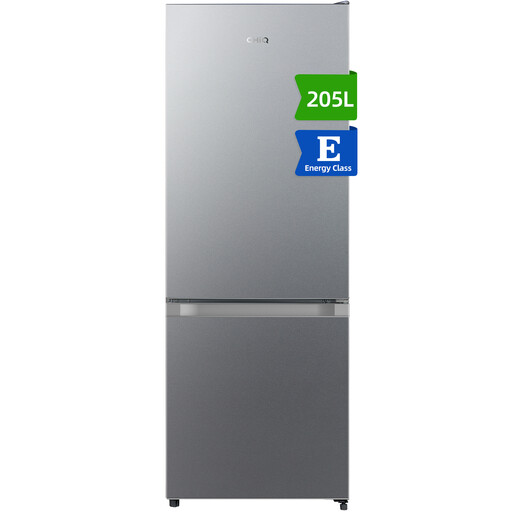
Why it stands out: With its compact 54 cm width and a well-designed storage layout, this model is a practical solution for smaller kitchens or apartments. The Low Frost technology significantly reduces ice build-up in the freezer, simplifying maintenance.
Advantages:
Who it's for: Ideal for single households, students, or couples looking for a space-saving, functional, and value-oriented fridge freezer.
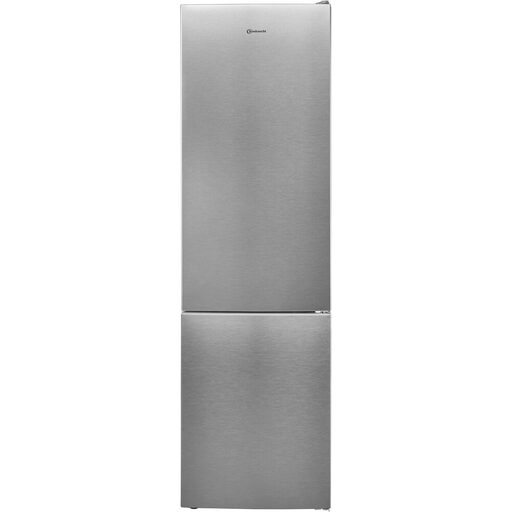
Why it stands out: This Bauknecht appliance is distinguished by its outstanding energy efficiency class A and an extremely quiet operating noise of just 32 dB. The Multi-Zone function, which allows a compartment to be used flexibly as either a fridge or freezer, offers additional adaptability.
Advantages:
Who it's for: Families and eco-conscious users who value low running costs, ultra-quiet operation, and flexible storage. Perfect for open-plan kitchens.
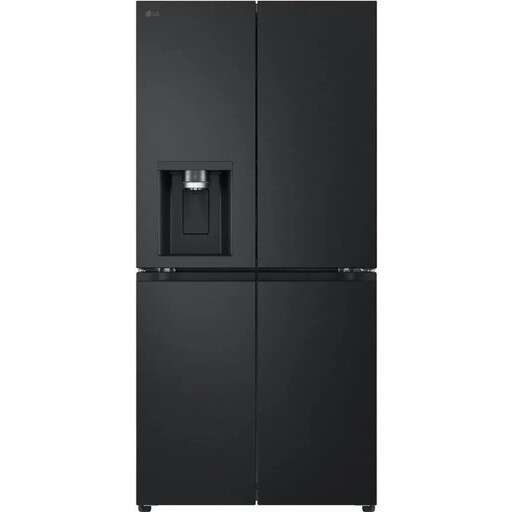
Why it stands out: This French Door refrigerator from LG combines an enormous capacity with advanced technology. The InstaView Door-in-Door window lets you see inside without opening the door, reducing cold air loss. The integrated water and ice dispenser is equipped with UVnano technology, which LG states removes 99.99% of bacteria from the water nozzle.
Advantages:
Who it's for: Large families or tech enthusiasts who need a statement appliance with maximum storage, state-of-the-art functions, and smart features for a spacious kitchen.
The heart of any fridge freezer is the compressor, which is responsible for generating the cold air. Modern inverter compressors adjust their power based on demand, making them more efficient and quieter.
If you are interested in the technology behind cooling performance or are looking for specific parts, you can find a selection of compatible components and further information in our Refrigerator Compressor category.
"No Frost" is a technology where circulating cold air reduces the humidity inside the freezer. This prevents the formation of ice and frost on the interior walls and on your frozen goods. The main advantage is that manual defrosting of the freezer is no longer necessary, which saves time and keeps the appliance's energy efficiency consistently high.
The energy efficiency class is very important, as a refrigerator runs 24 hours a day. An appliance with a high efficiency class (e.g., Class A) consumes significantly less electricity over its lifespan than a model with a lower class (e.g., E or F). The initially higher purchase cost for a more efficient appliance can be offset by the savings on your electricity bill over the years.
A noise level below 40 decibels (dB) is generally considered quiet for a refrigerator. Models with ratings around 35 dB or lower are extremely quiet and are barely audible in a normal home environment. This is especially relevant if the appliance will be placed in an open-plan kitchen or living area.