
Lieferung heute & morgen

Qualitätsgarantie

Willkommens-Angebote freischalten: KOSTENLOSE Lieferung | Bis zu 80 % RABATT | Kostenlose 30-Tage-JoyPlus-Testphase
App herunterladen
Anyone who spends many hours at a desk, whether for gaming, working from home, or streaming, knows the problem: an uncomfortable chair leads to a loss of concentration and back pain. The market for gaming chairs is huge, but not every model advertised with aggressive aesthetics is a worthwhile investment. Many buyers fall into traps that strain not only their wallets but also their backs. This guide will show you what to look for to find a durable and suitable gaming chair.
Marketing promises are often tempting, but the reality is frequently different. Pay close attention to these three points to avoid a bad purchase:
To separate the wheat from the chaff, you should carefully examine three core areas. These features determine whether a chair will still offer comfort and support after months of use.
The most important feature of any long-term seating is its adaptability to your body. An ergonomic office chair or gaming chair should offer at least the following adjustment options:
The longevity of a chair depends directly on its construction and the materials used.
Some features provide real added value for comfort and use.
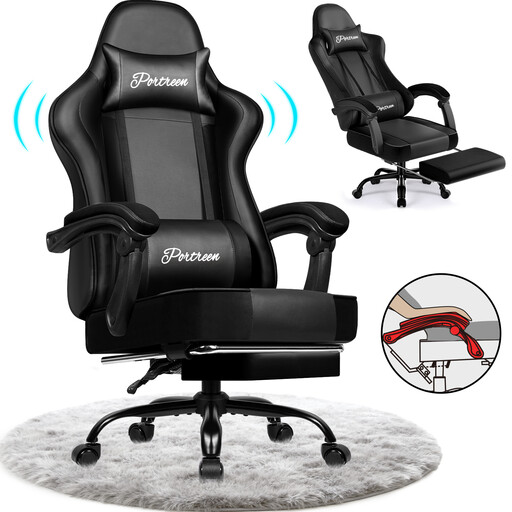
Why This Fits Their Persona: This user spends many hours a day at the PC and requires maximum ergonomic support and durability. The extensive adjustment options and high load capacity are designed for intense and long sessions.
It bypasses the "style over substance" trap by focusing on certified components (BIFMA, SGS) and functional ergonomics like adjustable lumbar support and a stable footrest, rather than unnecessary gimmicks.
High load capacity of up to 150 kg and a backrest that reclines to 170 degrees with a retractable footrest for maximum flexibility between focused work and relaxation.
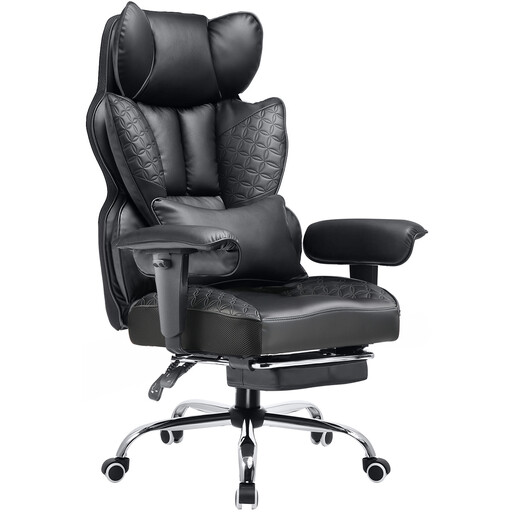
Why This Fits Their Persona: Ideal for users who want a chair that doesn't look out of place in a professional home office environment, yet still offers the comfort and features of a gaming chair for after-work sessions.
This chair forgoes the over-the-top racing aesthetic in favour of a subtle executive design. The focus is on comfort for large and heavy individuals ("Big and Tall"), which implies a robust construction.
The combination of a professional look and practical comfort features like the high backrest and integrated footrest makes it a versatile all-rounder for work and leisure.
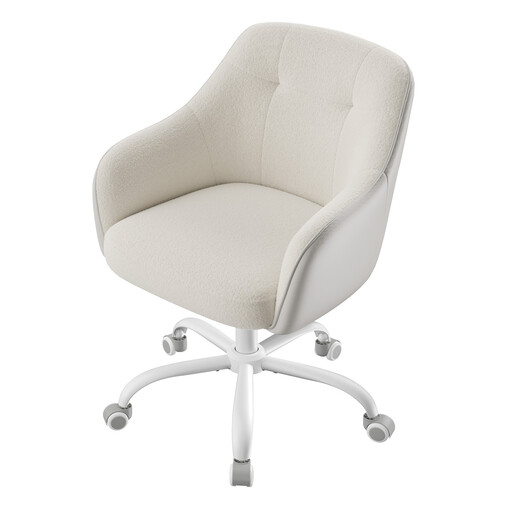
Why This Fits Their Persona: For users who prioritise aesthetics and integration into their living space. Perfect for occasional desk work or shorter gaming sessions without disrupting the room's ambiance.
It doesn't pretend to be a hyper-ergonomic gaming chair. Instead, as a stylish accent and office chair, it offers honest, solid basic functionality, thus avoiding the trap of exaggerated promises.
The chic, minimalist design with sherpa fabric and PU accents blends seamlessly into modern living and working spaces. The sturdy star base provides the necessary stability for everyday use.
We have compiled a complete, up-to-date list of products that fully meet these strict selection criteria and German safety regulations.
The lifespan of a gaming chair depends heavily on the material quality and usage. A high-quality model with a steel frame, a Class 4 gas lift, and durable upholstery can easily last five years or more with normal use. Cheaper models with wooden frames, low-grade foam, and thin PU leather often show significant signs of wear and tear after just one to two years.
Not necessarily. The decisive factor is not the label, but the ergonomics. A high-quality ergonomic office chair can be superior to a cheap gaming chair. The advantage of many gaming chairs lies in their high backrest, which supports the head and neck, as well as the often standard included pillows for the head and lumbar spine. For a healthy posture, it is crucial that the chair is individually adjustable—regardless of whether it is marketed as a "gaming" or "office" chair.
For a gaming chair with a 150 kg capacity, the structural components are crucial. Look specifically for a full steel frame, a certified Class 4 gas lift, and a reinforced base made of steel or aluminium. Nylon bases are less recommended for this weight class. Check the manufacturer's specifications and, if available, certifications like BIFMA/SGS, which confirm testing for load capacity and safety.