
Lieferung heute & morgen

Qualitätsgarantie

Willkommens-Angebote freischalten: KOSTENLOSE Lieferung | Bis zu 80 % RABATT | Kostenlose 30-Tage-JoyPlus-Testphase
App herunterladen
A well-maintained garden requires precision tools. Whether you're performing the annual rose pruning, thinning perennials, or making heavy cuts on branches, choosing the right garden shears is crucial for the health of your plants and the efficiency of your work. However, given the vast array of models, from delicate flower snips to robust loppers, the selection can be overwhelming.
This guide is designed to offer you clear direction. We will explain the key features you should look for and present a selection of garden shears for various applications. Our goal is to help you find a tool that meets your requirements for both functionality and durability.
To find the right model for your gardening tasks, several technical aspects are important. Focusing on these criteria will help you make an informed decision.
The most fundamental distinction among garden shears is their cutting mechanism.
The quality of the blade determines the sharpness, durability, and cutting performance of the shears.
Gardening can be tough on the hands. An ergonomically designed tool reduces strain and increases safety. Look for handles that fit comfortably in your hand and are made of a non-slip material. An integrated spring mechanism that automatically reopens the shears after each cut can significantly reduce hand muscle fatigue. The overall weight also plays an important role during extended use.
Here is a selection of cutting tools designed for specific tasks in the garden. Each model is distinguished by certain features that make it particularly suitable for a specific purpose.
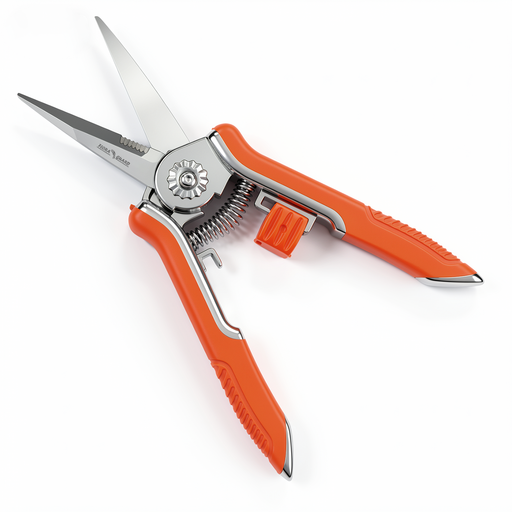
Why it stands out: The micro-tip design with its narrow, pointed blades allows for high precision in delicate cutting tasks.
Advantages:
Who is it for? This model is an excellent choice for gardeners who need lightweight and precise rose shears or flower snips for maintaining flower beds, herb gardens, or for trimming bonsai and other delicate plants.

Why it stands out: These loppers combine a robust build with long handles to provide high leverage for cutting thicker branches.
Advantages:
Who is it for? These loppers are designed for garden owners who need to perform heavy pruning on shrubs, hedges, and trees. Their leverage makes them an indispensable tool for removing thicker branches that are too tough for standard garden shears.
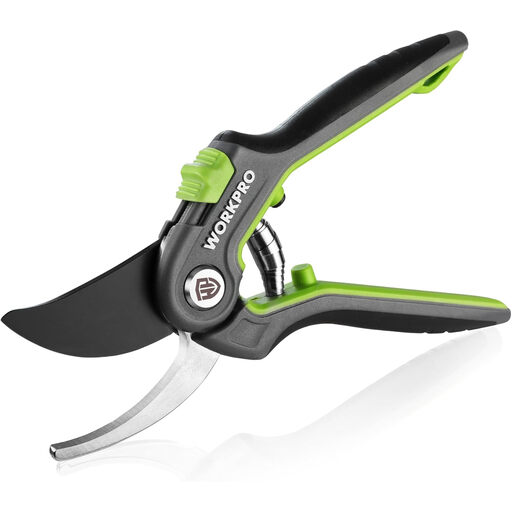
Why it stands out: As a classic bypass pruner, it offers a versatile solution for the most common cutting tasks in the garden, combining a sharp blade with an ergonomic design.
Advantages:
Who is it for? This is a versatile professional-grade pruner for the ambitious home gardener. It is excellently suited for a wide range of tasks, from trimming roses and perennials (as vine shears) to cutting back smaller branches on shrubs and trees.
The models presented here cover many common use cases. However, if you are looking for a tool with different specifications or for more specialised tasks, other alternatives are available.
Are you looking for a tool with specific features or for different applications? Discover our wider selection of multi-purpose shears and find the right model for your project.
1. What is the difference between bypass and anvil garden shears? Bypass shears have two blades that glide past each other, creating a clean, scissor-like cut. They are ideal for live, green wood. Anvil shears have one blade that closes onto a solid base (the anvil). They are better suited for hard or dead wood, as they apply more pressure.
2. How do I properly care for my garden shears? Clean the blades with a cloth after each use to remove plant sap and dirt. Dry the shears completely to prevent rust. An occasional drop of oil on the joint will keep the mechanism moving smoothly. Store the shears in a dry place.
3. What material is recommended for the blades of professional-grade garden shears? High-quality carbon steel, such as SK-5 steel, is a common recommendation for the blades of professional-grade pruners. This material is known for its high hardness and ability to hold a sharp edge for a long time. An additional coating can further improve rust resistance and gliding performance.