
Lieferung heute & morgen

Qualitätsgarantie

Willkommens-Angebote freischalten: KOSTENLOSE Lieferung | Bis zu 80 % RABATT | Kostenlose 30-Tage-JoyPlus-Testphase
App herunterladen
Solar lights for the garden promise a simple, cost-effective, and eco-friendly way to illuminate paths, patios, and flowerbeds. However, the vast selection can quickly lead to disappointment when a purchased product fails after a short time or doesn't meet expectations. Many lights are not designed for variable weather conditions, and their performance claims can be misleading.
This guide reveals the three most common pitfalls when buying solar lights and explains which technical features you should look for to find durable and functional garden lighting.
To avoid the problems mentioned above, a close look at the product details is essential. Three key metrics are particularly important for making an informed decision.
The IP (Ingress Protection) rating indicates how well an electrical device is protected against the intrusion of foreign objects and water. For waterproof outdoor lighting, this is the most important parameter.
The combination of the battery and solar panel determines the actual illumination time. Pay attention to the battery capacity, specified in milliampere-hours (mAh). A higher value generally means a longer run time. At the same time, the solar panel should be sufficiently large and efficient to reliably charge the battery even on days with less sunshine. Some products specify the panel's efficiency as a percentage—values above 17% are considered good.
Think carefully about the purpose your solar garden lighting should serve.
Here are some recommendations tailored to different needs that take the aforementioned quality features into account.
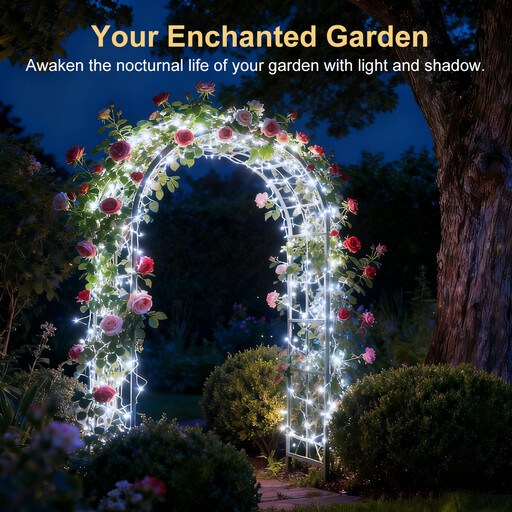
Why This Fits Their Persona: Ideal for creative decorations on balcony railings, in shrubs, or around vases. The flexible copper wire can be easily bent into any desired shape, and the 8 different lighting modes create the perfect atmosphere for any occasion.
With an IP65 rating, these string lights are protected against water jets, making them significantly more robust than many competing products and avoiding the pitfall of poor weather resistance.
Comes in a practical 2-pack for large-scale decorating. The memory function remembers the last selected lighting mode.
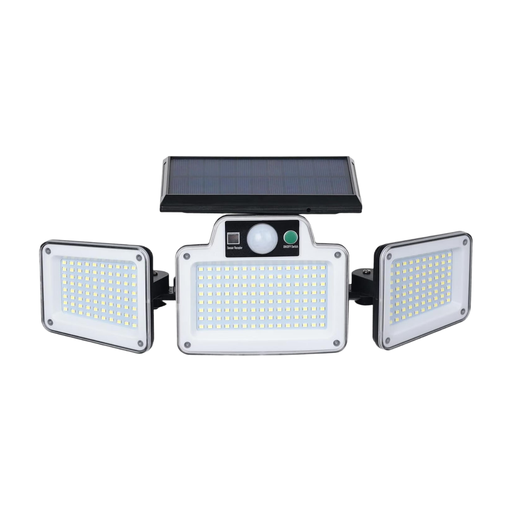
Why This Fits Their Persona: Perfect for illuminating driveways, garages, or dark corners of the garden. The three adjustable heads and motion sensor provide targeted, on-demand brightness, which enhances security.
This spotlight solves the problem of insufficient brightness. With 280 LEDs, it is clearly designed as a security light, not a decorative one. The separate solar panel with a long cable allows for optimal alignment with the sun, regardless of where the light is mounted.
Three different lighting modes (including constant-on or motion-activated) can be set via remote control. The IP65 certification ensures functionality in all weather.
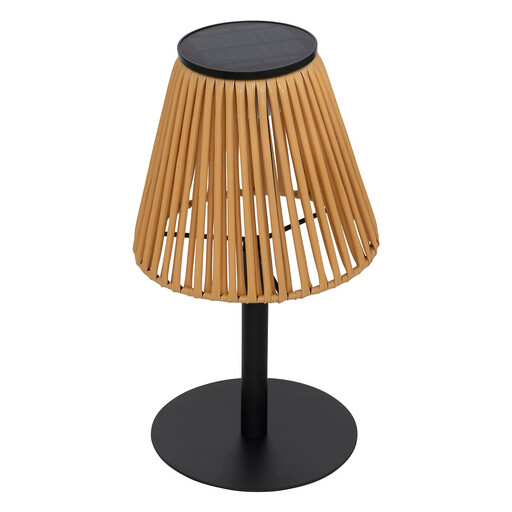
Why This Fits Their Persona: A stylish and portable solution for the dining table on the patio or the side table on the balcony. It requires no fixed installation and can be flexibly placed wherever light is needed.
This lamp bypasses the pitfall of unreliable illumination time with a dual charging system. It can be charged not only via solar power but also with a USB cable. This guarantees light even when the sun hasn't shone for days.
The combination of solar and USB charging offers maximum flexibility and reliability. The design, made of steel and woven synthetic resin, is both modern and durable.
We have compiled a complete, up-to-date list of products that fully meet these strict selection criteria and safety regulations.
Yes, solar lights do work in winter, but with reduced performance. The shorter days, the lower angle of the sun, and frequent cloud cover mean that the batteries store less energy. The illumination time per night is therefore significantly shorter than in summer. Models with high-efficiency solar panels and large batteries are better suited for year-round use.
The IP rating classifies the degree of protection a housing offers against the ingress of foreign objects (first digit) and water (second digit). For outdoor use, IP44 (protection against splashing water) is the absolute minimum for sheltered areas. For lights directly exposed to rain and snow, a rating of IP65 (protection against water jets) or higher is recommended to ensure a long lifespan.
The lifespan of a solar light is primarily determined by its battery. The LEDs themselves have a very long life, often exceeding 15,000 hours. The rechargeable battery, however, loses capacity after about 1-3 years and may need to be replaced. The quality of the battery and the number of charge cycles are crucial here. In high-quality models, the battery is often replaceable.