
Lieferung heute & morgen

Qualitätsgarantie

Willkommens-Angebote freischalten: KOSTENLOSE Lieferung | Bis zu 80 % RABATT | Kostenlose 30-Tage-JoyPlus-Testphase
App herunterladen
Ginger-garlic paste is a foundational ingredient in numerous cuisines, particularly in Indian, Pakistani, and Bangladeshi culinary traditions. It serves as an aromatic base for curries, marinades, lentil dishes (dal), and stir-fries. The primary benefit of a ready-made paste is efficiency: it eliminates the need to peel, chop, or grate fresh ginger and garlic for every meal. This ensures a consistent flavour base and significantly reduces prep time in the kitchen.
The decision to choose a specific garlic ginger paste can depend on several key factors. Analysing the product specifications will help you make an informed choice.
The ratio of ginger to garlic determines the paste's fundamental flavour profile. Some products feature a higher proportion of garlic, while others offer a more balanced or ginger-dominant ratio. The ingredients list provides clarity on this. Other common ingredients include:
Ginger pastes are available in various container sizes, typically ranging from 300 g to 700 g. Smaller jars are suitable for households where the paste is used occasionally, ensuring freshness after opening. Larger containers often offer better value for money and are advantageous for heavy users or catering. Refrigeration is required after opening. The exact shelf life after opening can be found in the manufacturer's instructions on the packaging.
Although most pastes can be used universally as a seasoning paste for curry and other dishes, the consistency can play a role. An oil-based paste may distribute differently in a marinade than a water- or acid-based one. However, for most cooking applications, such as sautéing at the beginning of a recipe, these differences are minimal.
Based on an analysis of product specifications, we present a selection of ginger-garlic pastes.
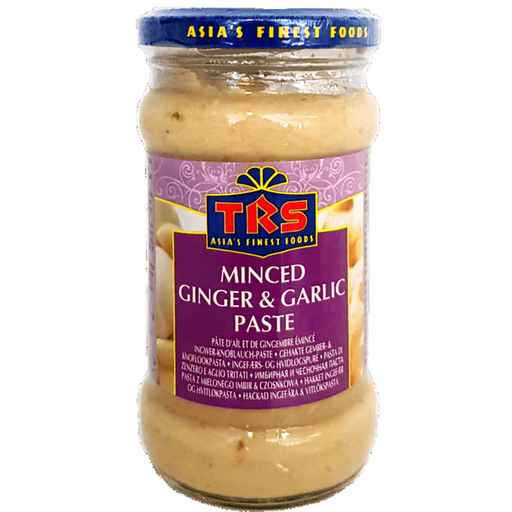
Why we recommend this product: This product stands out with its high garlic content of 60%, resulting in a robust, garlic-forward aroma. The ingredients list is straightforward, containing garlic, ginger, salt, acetic acid, and a preservative.
Product Specifications:
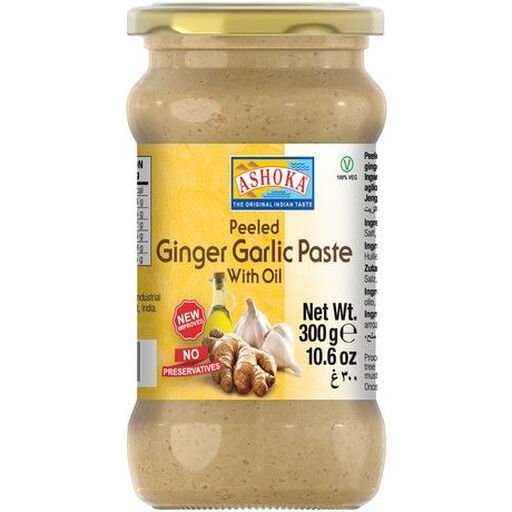
Why we recommend this product: The standout feature of this paste is its base of rice oil (14%). This gives it a smooth consistency. The ratio of ginger (45%) to garlic (30%) is balanced, with a slight dominance of ginger.
Product Specifications:
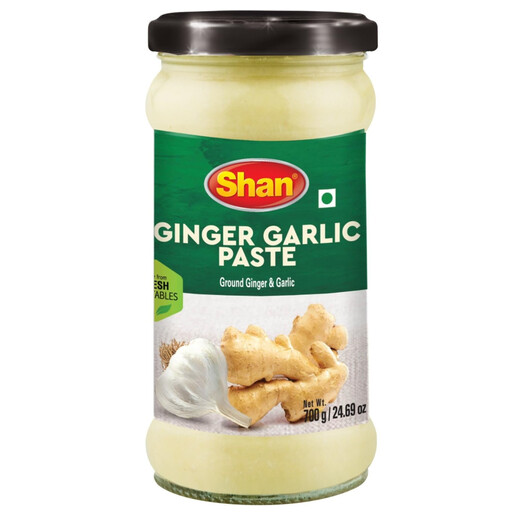
Why we recommend this product: With a 700 g content, this product is a value size suitable for heavy use. The ratio of fresh ginger (50%) to fresh garlic (45%) is very well-balanced, closely mimicking the proportions of freshly prepared ingredients.
Product Specifications:
If you are looking for more specific seasonings or prefer to portion out the ginger and garlic components separately, it's worth taking a look at related products. Our range includes a variety of seasonings that will expand your culinary possibilities. You can find an overview in our Garlic Seasoning category.
1. How long does opened ginger-garlic paste last? The shelf life after opening varies depending on the manufacturer and the preservatives used. As a rule, the paste should be stored in the refrigerator and used within 30 days to 6 weeks. It is always advisable to follow the specific instructions on the product packaging.
2. What ratio of fresh ginger and garlic does the paste replace? As a general rule of thumb, one teaspoon (approx. 5 g) of the paste is equivalent to about one medium-sized clove of garlic and a thumb-sized piece of ginger (approx. 1-2 cm). This ratio can be adjusted depending on the desired flavour intensity and the specific paste.
3. Can you use ginger-garlic paste for all Asian dishes? The paste is a staple in many South Asian cuisines (India, Pakistan, etc.) and is excellent for curries, biryanis, and marinades. In some East Asian cuisines (e.g., Chinese or Thai), fresh, coarsely chopped or sliced ginger and garlic are often preferred to achieve a different texture and a sharper, more present aroma. However, using the paste is also possible here as a time-saving alternative.