With such an enormous variety available, the search for the right Riesling can quickly become overwhelming. Whether from the Pfalz or the Mosel, dry or sweet—the selection is vast. But not every bottle lives up to its label. As your Joybuy Product Recommendation Officer, I'm here to help you avoid common pitfalls and make an informed decision that perfectly suits your taste and occasion.
What to Look for When Buying Riesling: 3 Common Mistakes
Before you add a bottle to your cart, it's helpful to understand the most common misconceptions that often lead to an unsuitable purchase.
- The 'Dry' Trap: The term "trocken" (dry) on a label is legally defined, but it doesn't necessarily mean the wine is completely free of residual sugar. A dry Riesling can contain up to 9 grams of residual sugar per litre. Depending on its acidity, such a wine might still be perceived as very fresh and not at all sweet. In contrast, another wine with the same sugar content but lower acidity may already exhibit a noticeable sweetness.
- Underestimating the Origin: Not all German Riesling is the same. The growing region significantly shapes the wine's character. A Mosel Riesling from steep slate slopes tastes fundamentally different from a powerful Riesling from the Pfalz, which is grown on warmer soils. If you ignore the origin, you might buy a wine whose style doesn't match your preferences.
- Focusing on Marketing Over Facts: Flashy labels or famous names are not always a guarantee of quality. Sometimes, you're paying for elaborate marketing, while a lesser-known wine from a good vineyard site could offer better value for money.
The Decisive Criteria for Your Selection
To find the right Riesling white wine, focus on three objective characteristics that will serve as your reliable compass.
1. The Style: Dry, Off-Dry, or Sweet?
The most important information on the label is the style, which is defined by the residual sugar content.
- Dry Riesling: Legally contains up to 9 g/l of residual sugar. These wines are often characterised by crisp acidity and are excellent food pairings.
- Off-dry Riesling: Can have up to 18 g/l of residual sugar. The slight sweetness balances the acidity, making the wine particularly approachable. Ideal for those who find dry wines too acidic.
- Sweet Riesling: With up to 45 g/l of residual sugar, this wine shows a distinct sweetness balanced by Riesling's signature acidity. It pairs well with spicy dishes or desserts.
2. The Growing Region: Where Does the Character Come From?
The origin provides crucial clues about the wine's style.
- Mosel: Wines from the Mosel (and its tributaries, the Saar and Ruwer) are known for their minerality (often described as a "slate note"), high yet delicate acidity, and often lower alcohol content. They come across as elegant and delicate.
- Pfalz: The Pfalz is one of Germany's warmest growing regions. Rieslings from here are often more powerful, full-bodied, and exhibit riper fruit aromas like peach, apricot, and tropical fruits.
- Rheinhessen: As Germany's largest growing region, Rheinhessen offers enormous diversity. Here you'll find both approachable everyday wines and high-calibre single-vineyard wines, such as those from the famous Roter Hang ("Red Slope"), which impress with their minerality and complexity.
3. Special Characteristics: Organic, Vegan, or Alcohol-Free?
Special dietary needs and lifestyles are also catered for in the world of wine.
- Organic Riesling: The grapes come from organic farming, which avoids synthetic pesticides and fertilisers. This is certified by an EU organic seal.
- Vegan Riesling: During winemaking, animal-based fining agents (like gelatine or egg white) are avoided. Instead, plant-based or mineral alternatives are used.
- Alcohol-Free Riesling: The alcohol is removed from the finished wine using gentle methods like vacuum distillation. Good alcohol-free versions preserve the varietal's typical aromas and structure.
Options Tailored to You
Here are some recommendations tailored to different needs and preferences.
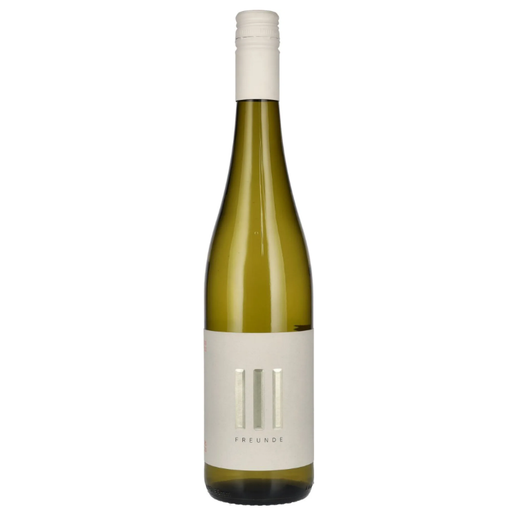
MATCH FOR: EFFORTLESS EVERYDAY ENJOYMENT
Why This Fits Their Persona: This wine is designed for social gatherings and relaxed enjoyment. It combines an approachable, modern style with reliable quality from the Pfalz, without being complicated.
How It Avoids the Trap
It avoids the "dry" trap with a clear flavour profile and a precise balance of sweetness and acidity. Here, you get honest quality that delivers on taste, not just on a well-known name.
Key Advantage & Pros
Fruity aromas of peach and lime; refreshing on the palate with a long-lasting finish. Pairs well with fish and grilled vegetables.
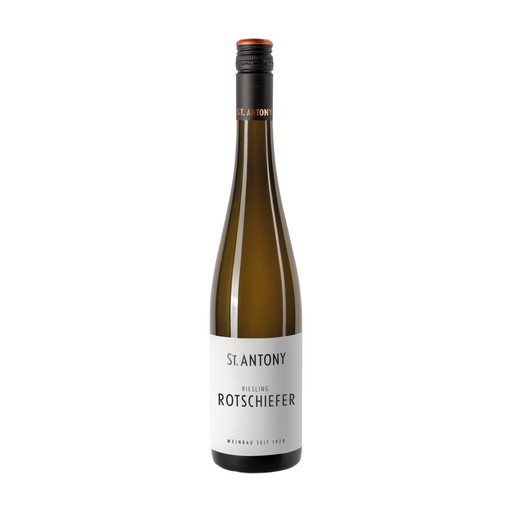
MATCH FOR: THE DISCERNING TERROIR EXPLORER
Why This Fits Their Persona: For wine connoisseurs who appreciate the expression of a unique terroir. This wine comes exclusively from the famous "Roter Hang" in Rheinhessen, is biodynamically farmed, and shows impressive depth and finesse.
How It Avoids the Trap
Here, the origin isn't just mentioned—it's the star. The "Roter Hang" designation is a clear promise of quality, delivering minerality and complexity that goes far beyond generic marketing.
Key Advantage & Pros
DE-?KO-039 certified; spontaneously fermented with native yeasts, which creates high complexity; moderate acidity and a yellow-fruit nose.
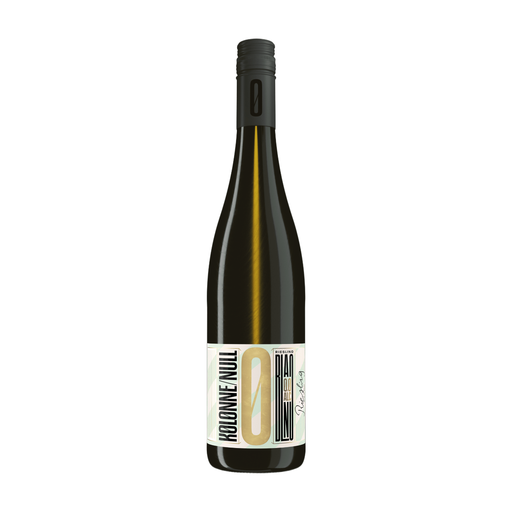
MATCH FOR: CONSCIOUS, ALCOHOL-FREE ENJOYMENT
Why This Fits Their Persona: Offers an authentic Riesling experience with 0.0% alcohol. Perfect for anyone who consciously avoids alcohol without wanting to compromise on taste, style, or quality.
How It Avoids the Trap
This is not a sweet grape juice, but a meticulously dealcoholized wine. The process preserves the varietal's characteristic acidity and mineral notes that define a true Riesling.
Key Advantage & Pros
Organic Riesling (DE-?KO-039); refreshing with present acidity and mineral notes at only 16 kcal per 100 ml. A stylish alternative.
Looking for more options?
We have compiled a complete, up-to-date list of products that meet these strict selection criteria and quality standards.
## Frequently Asked Questions (FAQ)
At what temperature should Riesling be served?
The ideal serving temperature depends on the wine's style. As a rule of thumb:
- Dry and off-dry Riesling: Chilled at 8–10°C. This allows the freshness and fruit aromas to shine.
- Sweet and noble sweet (Auslese) Rieslings: Lightly chilled at 10–12°C. Serving it too cold would suppress the complex sweet and fruit aromas.
- Alcohol-free Riesling: Also well-chilled at 8–10°C to emphasize its refreshing character.
How long does an opened bottle of Riesling last?
An opened bottle of Riesling should always be tightly sealed and stored in the refrigerator. Thanks to its natural acidity, which acts as a preservative, the wine generally lasts for 3 to 5 days. Sweet Rieslings often last even a bit longer due to their higher sugar content.
What is the main difference between a Mosel and a Pfalz Riesling?
The difference lies primarily in the terroir (soil, climate) and the resulting style:
- Mosel Riesling: Often grows on barren slate soils, which gives it a distinct minerality, high, racy acidity, and lighter, more delicate aromas (green apple, citrus). The alcohol content tends to be lower.
- Pfalz Riesling: Benefits from more sunshine and more nutrient-rich soils. The wines are therefore often more full-bodied, powerful, and exhibit riper fruit notes, such as peach, apricot, or even tropical fruits.