
Lieferung heute & morgen

Qualitätsgarantie

Willkommens-Angebote freischalten: KOSTENLOSE Lieferung | Bis zu 80 % RABATT | Kostenlose 30-Tage-JoyPlus-Testphase
App herunterladen
The selection of gherkins on the shelf can be overwhelming. From sweet and sour to spicy and tangy, from organic quality to classic recipes—there seems to be a different jar for every taste and occasion. But what are the differences, and which gherkin is best for your needs, whether for a hearty platter, a salad, or as an ingredient for the perfect burger?
As your Joybuy Product Recommendation Officer, I've made it my mission to bring clarity to the vast selection. This article provides an objective guide to help you make an informed decision the next time you want to buy pickles. We focus on objective product features and deliberately avoid exaggerated advertising claims.
To find the right pickled cucumbers for your needs, it's helpful to pay attention to a few specific characteristics. The following points will serve as your guide.
A crucial quality indicator is the firmness of the cucumber. A truly crunchy gherkin retains its bite even after being pickled. This depends on several factors: the freshness of the cucumbers used during processing, the brine recipe, and sometimes the use of firming agents. For example, some manufacturers use calcium citrate to stabilise the cell structure of the cucumbers and ensure that desired "crunch".
A gherkin's flavour is largely determined by its brine. The base is typically spirit vinegar. Sweetness can be achieved with classic sugar or with glucose-fructose syrup. A look at the ingredients list also reveals which spices are responsible for the aroma. Typical components include dill, mustard seeds, onions, peppers, and other herbs. For organic gherkins, beet sugar and exclusively natural spice extracts are often used.
Many consumers value regional products. German gherkins have a long tradition and are often made according to time-tested recipes. Certifications like the German or European organic seal, or stricter association seals like Bioland, provide information about cultivation and processing standards. This information can be found transparently on the product's label.
Based on the criteria mentioned, we have compiled a selection of products that cater to different preferences and uses.
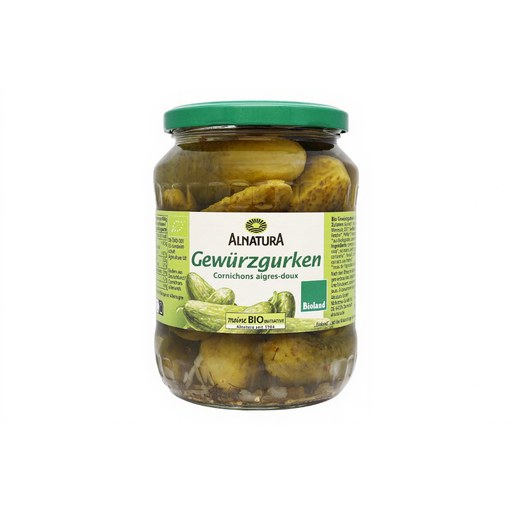
Why they stand out: These gherkins are grown in Germany and processed according to strict Bioland guidelines. The sweet and sour brine is made with beet sugar instead of syrup and is enhanced with an aromatic blend of herbs and spices.
Advantages:
Who are they for?: For consumers who place a high value on organic quality, transparent origins, and an ingredients list without glucose-fructose syrup. They are a great choice for salads, sandwiches, or as a simple side dish.
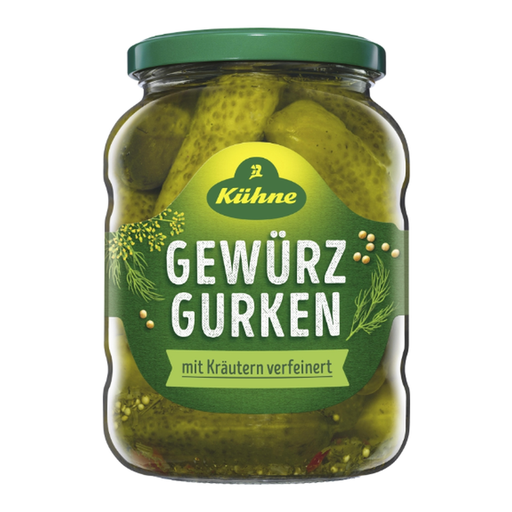
Why they stand out: As a product from a well-known traditional German brand, these gherkins represent a classic, balanced flavour. The cucumbers come from controlled contract farming and are pickled in a savoury brine with dill, onions, peppers, and mustard seeds.
Advantages:
Who are they for?: For anyone looking for a reliable and traditional flavour for everyday use. Their crunchy texture and savoury brine make them a fitting accompaniment to hearty dishes like burgers, cold cut platters, or roulades.
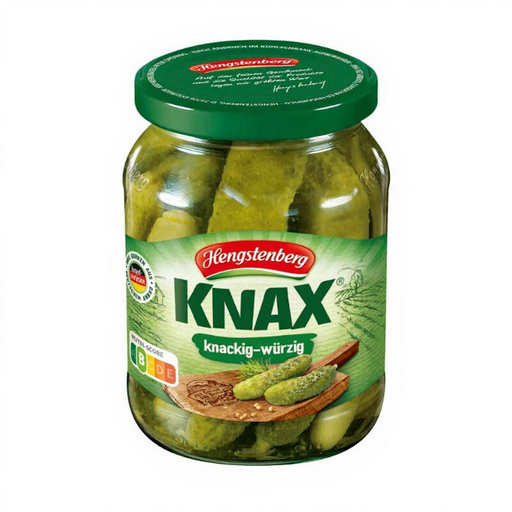
Why they stand out: The name "Knax" says it all. These gherkins are known for their especially firm and crunchy texture. The savoury-sweet brine with natural herb and spice flavours completes the taste experience, making them a classic on the gherkin shelf.
Advantages:
Who are they for?: For lovers of exceptionally crunchy gherkins. They are the ideal accompaniment for a hearty platter, but also work well in salads or as a snack straight from the jar.
If you have a preference for zesty or spicy side dishes, there are also varieties with chilli, pepperoncini, or other hot spices in addition to classic gherkins. These are excellent for adding a special touch to dishes or as a fiery accent on a cheese board.
Discover our selection of spicy pickles and find your new favourite.
The term "pickle" is a general term for any cucumber preserved in vinegar. A "gherkin" is a specific type of pickle whose brine is also seasoned with various spices like dill, mustard seeds, onions, or pepper. Therefore, all gherkins are pickles, but not every pickle is a gherkin.
After opening, the jar should always be kept tightly sealed in the refrigerator. It is important that the remaining gherkins are completely covered by the brine, as it acts as a preservative. Follow the manufacturer's instructions on the label, which usually recommend consuming them within a few days of opening.
For burgers, crunchy gherkins are particularly suitable as they can be easily sliced and remain firm even when paired with warm meat and sauces. A balanced sour and savoury flavour harmonises well with the roasted notes of the meat and the creaminess of burger sauces. Products like those from Kühne are a popular choice for pickles for burgers due to their classic profile.