
Lieferung heute & morgen

Qualitätsgarantie

Willkommens-Angebote freischalten: KOSTENLOSE Lieferung | Bis zu 80 % RABATT | Kostenlose 30-Tage-JoyPlus-Testphase
App herunterladen
Choosing the right tent for glamping involves analysing specific technical features that define comfort, space, and weather protection. Unlike traditional camping, the focus is on accommodation that offers a superior level of comfort. Key parameters include material quality, the ratio of floor space to standing height, and overall weather resistance.
An informed decision requires evaluating objective criteria. The following points provide a technical guide for your selection.
A tent's outer material is crucial for its durability and protective capabilities. Polyester fabric with a polyurethane (PU) coating, such as 150D Oxford polyester, is commonly used. The D-rating (Denier) describes the yarn's thickness and indicates the fabric's tear resistance.
The hydrostatic head, measured in millimetres (mm), is a standardised metric for water resistance. According to DIN EN ISO 811, a tent floor is considered waterproof from 2,000 mm and an outer tent from 1,500 mm. For a reliably waterproof tent that provides protection even during prolonged rain, a rating of 3,000 mm or higher for the outer tent is recommended. Additionally, sealed seams are a critical feature to prevent moisture from penetrating at the joints.
The stated person capacity is often a minimum rating. For a comfortable glamping experience, the floor space should be more generous. A crucial factor is the standing height (or headroom). A height of two metres or more allows you to stand and move upright inside the tent, which significantly enhances comfort. For a group tent or family tent, the interior layout is also relevant. Separate sleeping cabins or a dividable living area can increase functionality.
A good interior climate is essential. Large vents, ideally fitted with mosquito nets, ensure continuous air circulation and reduce condensation build-up. A separate, breathable inner tent made of polyester mesh also helps regulate temperature and humidity. For additional airflow on warm, still days, a portable tent fan can be a useful addition.
The following products have been selected based on their technical specifications and functional design.
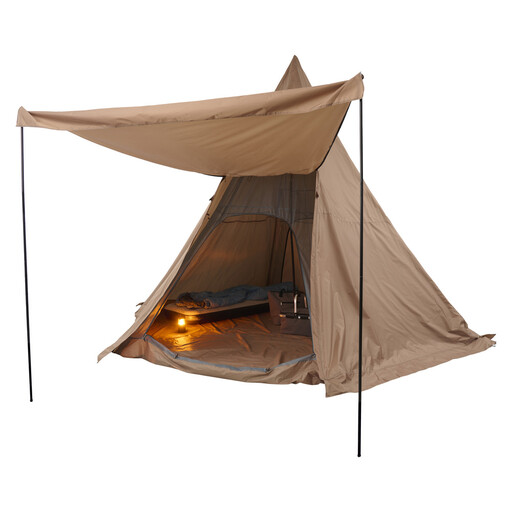
Why We Recommend This Product The 6-Person Tipi Tent from OUTFIT combines a spacious interior with robust materials. The central standing height of 3 metres creates an open and airy feel, characteristic of glamping. The outer tent, made from 150D Oxford polyester with a 3,000 mm hydrostatic head and sealed seams, offers reliable protection from rain. The additional flame-retardant treatment and UV30 protection are functional safety and durability features.
Pros
Who It's For This tent is suitable for families and groups of friends looking for a spacious and stylish group tent for comfortable camping trips. It's an excellent choice for users who value ample space, standing height, and reliable weather protection.
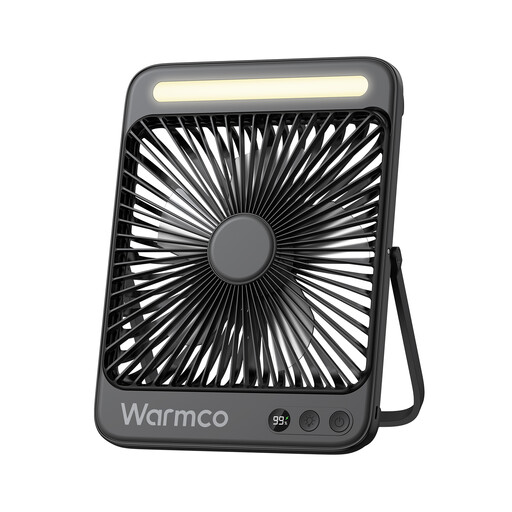
Why We Recommend This Product The Warmco battery-powered camping fan is a multifunctional glamping accessory that significantly enhances in-tent comfort. With a 20,000 mAh battery capacity, it achieves a runtime of up to 48 hours on its lowest setting, according to the manufacturer. Its brushless motor operates at a noise level below 45 dB, making it suitable for use overnight. The combination of a fan, LED lantern, and emergency power bank makes it an extremely practical companion.
Pros
Who It's For This tent fan is designed for any camper who wants comfortable air circulation and lighting, even in warm weather. It is particularly useful for those in large tents without a permanent power source.
The tipi is just one of many designs for spacious tents. Depending on your specific needs, tunnel tents or large dome tents can be suitable alternatives, differing in their interior layout and setup.
For a wider selection of spacious accommodation for multiple people, explore our Family Tents category. There you will find various models that meet different requirements for space and functionality.
1. What does the hydrostatic head rating on a tent mean? The hydrostatic head is a measure of a material's water resistance. The value, in millimetres (mm), indicates how much water pressure the fabric can withstand before water penetrates. A rating of 3,000 mm means a 3-metre column of water could rest on the material before it leaks. For moderate weather conditions, a rating of 1,500 mm for the outer tent is sufficient, but higher values offer a greater safety margin.
2. How do I ventilate a glamping tent effectively? Effective ventilation is achieved through the chimney effect. Open lower vents to allow cool air to enter and upper vents to let warm, moist air escape. Keep mesh-covered entrances closed during the day to keep insects out while allowing air to circulate. A battery-powered tent fan can aid this process, especially on still nights.
3. Are tipi tents stable in the wind? Yes, when set up correctly, a tipi tent is very wind-stable. Its conical shape offers little resistance to the wind. The crucial factors are securely anchoring the central pole and carefully tensioning all the guylines. The lines should be pegged out at an approximate 45-degree angle to the ground, and the stakes must be firmly anchored in the soil to stabilise the structure against wind loads.
Written by the Joybuy Product Recommendation Officer