
Lieferung heute & morgen

Qualitätsgarantie

Willkommens-Angebote freischalten: KOSTENLOSE Lieferung | Bis zu 80 % RABATT | Kostenlose 30-Tage-JoyPlus-Testphase
App herunterladen
For many, preparing coffee or tea is more than just a morning ritual; it's a moment of indulgence and mindfulness. A glass coffee & tea maker enhances this experience by making the brewing process visible and bringing a unique aesthetic to the kitchen with its clean design. However, choosing the right model depends on the material, brewing method, and personal preferences. This guide offers an objective overview to help you select a suitable glass carafe for coffee and tea.
The decision to buy a glass coffee or tea maker should be based on clear criteria. Three aspects are particularly important: the material, the brewing method, and everyday functionality.
Not all glass is equally suited for hot liquids. Most high-quality coffee and tea makers are made from borosilicate glass. This material is distinguished by its high resistance to thermal shock, meaning it can withstand sudden temperature changes—like pouring in boiling water—without cracking. Less expensive models often use soda-lime glass, which can be more prone to breakage if handled improperly. Therefore, always check the manufacturer's specifications regarding the type of glass used.
The way you prepare your coffee or tea will determine your choice of device:
The capacity, specified in litres (L) or centilitres (cl), should match your needs. For a single person, models up to 0.5 L are sufficient, while for families or serving guests, carafes of 1 L or more are a practical choice.
Practical coffee accessories and thoughtful details make daily use easier. A drip-free spout, a heat-insulated handle, and a secure-fitting lid are important features. Also, check the care instructions: is the maker dishwasher-safe, or is hand washing recommended? Removable filters and infusers significantly simplify cleaning and contribute to the product's longevity.
Based on objective product features like material, capacity, and design, we have compiled a selection of models that cover a range of needs.
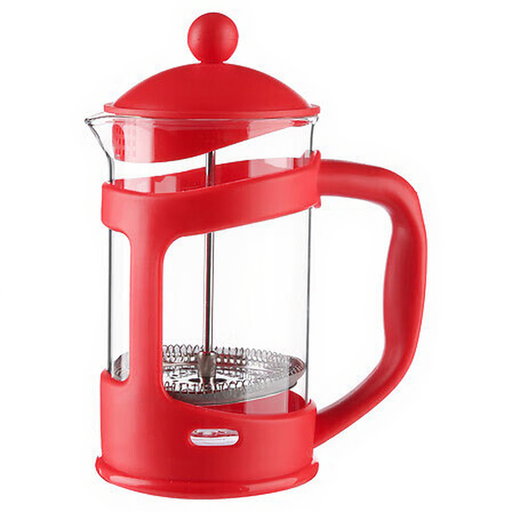
Why This Model Stands Out: This coffee maker from Atmosphera is designed as a stovetop moka pot, combining functionality with a modern design. The transparent glass body allows you to watch the brewing process closely and control the strength of your coffee.
Objective Advantages:
Who Is It For? For users who appreciate the traditional stovetop method of coffee preparation and value an appealing aesthetic and sufficient capacity for multiple people.
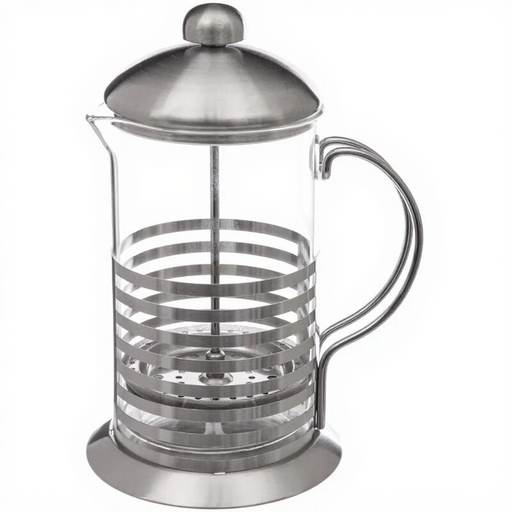
Why This Model Stands Out: The Rayures Cafetière is a classic glass French press with a distinctive ribbed design ("Rayures"). According to the manufacturer, it is also suitable for professional use in commercial settings, which suggests a robust construction.
Objective Advantages:
Who Is It For? For lovers of French press coffee who are looking for a stylish yet functional device suitable for both home use and in an office or small café.
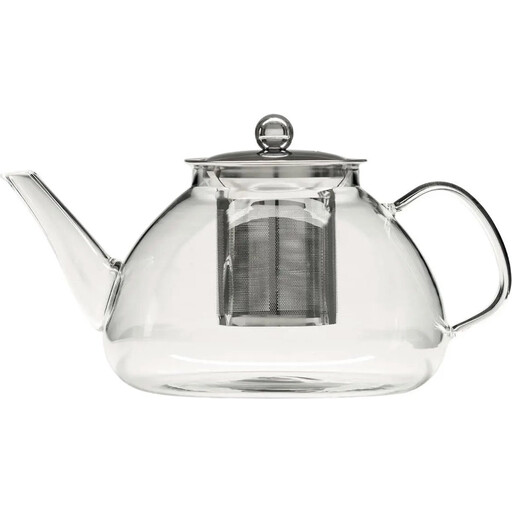
Why This Model Stands Out: This glass teapot with infuser from Secret de Gourmet offers an exceptionally large capacity of 1.3 litres. It comes with an integrated stainless steel filter, which makes brewing loose-leaf tea easy.
Objective Advantages:
Who Is It For? For tea drinkers who regularly prepare large quantities of tea, whether for family, guests, or to enjoy throughout the day.
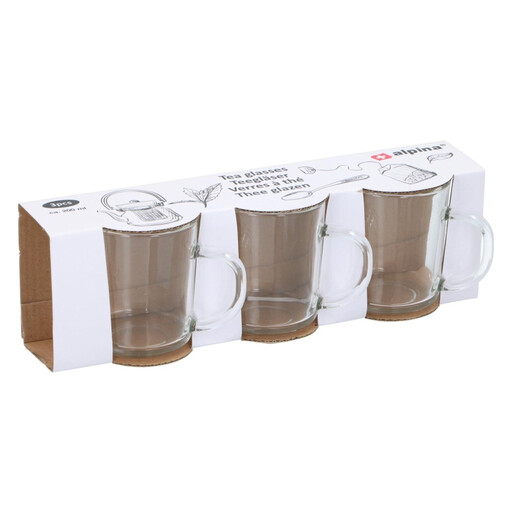
Why This Set Stands Out: This set of tea glasses is a practical addition to any coffee or tea maker. According to the manufacturer, the glasses are made of tempered soda-lime glass and feature a handle that ensures a secure grip with hot beverages.
Objective Advantages:
Who Is It For? For anyone who wants to complete their coffee or tea experience with matching, functional glasses and serve their drinks in style.
The right glass significantly contributes to the enjoyment of your beverage. The shape, the thickness of the glass, and the tactile feel all influence how we perceive a drink. A transparent glass also highlights the colour and clarity of tea or coffee.
If you'd like to complete your set, discover our selection of transparent tea glasses and find the perfect set for your home.
1. Is borosilicate glass necessary for a glass coffee pot? Due to its high resistance to thermal shock, borosilicate glass is the safer choice, especially if you pour boiling water directly into the pot. It minimises the risk of the glass cracking. Soda-lime glass can also be used but requires more careful handling, such as avoiding abrupt temperature changes.
2. What is the best way to clean a glass French press? First, remove the coarse coffee grounds. Rinse the carafe and the plunger with warm water. For a thorough cleaning, you can disassemble the plunger into its individual parts (filter screen, spiral plate, cross plate) and clean them with a soft brush and mild dish soap. Always follow the manufacturer's care instructions to see if it is dishwasher-safe.
3. Can you use a glass teapot directly on the stove? No, most glass teapots are not designed for direct use on a stovetop (gas, electric, induction) unless explicitly stated by the manufacturer. Direct heat can cause stress in the glass and lead to breakage. Water should be heated separately in a kettle and then poured into the teapot. Models like the stovetop espresso maker mentioned above are an exception, as they are specifically designed for this purpose.