
Lieferung heute & morgen

Qualitätsgarantie

Willkommens-Angebote freischalten: KOSTENLOSE Lieferung | Bis zu 80 % RABATT | Kostenlose 30-Tage-JoyPlus-Testphase
App herunterladen
Choosing the right pair of glasses can be a challenge given the countless models, technologies, and marketing promises. Whether for daily reading, sports activities, or technological applications, an uninformed decision often leads to disappointment and unnecessary expense. As your Joybuy Product Recommendation Officer, I'll help you understand the crucial criteria and avoid common purchasing pitfalls.
Before we dive into the details, let's look at the most frequent problems buyers experience. Recognising these traps is the first step toward making the right choice.
To avoid a bad purchase, you should focus on objective and verifiable features. These three areas are central to most types of eyewear.
The frame is a key determinant of weight, durability, and wearing comfort.
The technology within the lenses is crucial for optical quality and protection.
Every pair of glasses serves a specific purpose. The features should be precisely tailored to it.
Here are some product recommendations tailored to specific user profiles and the criteria mentioned above.
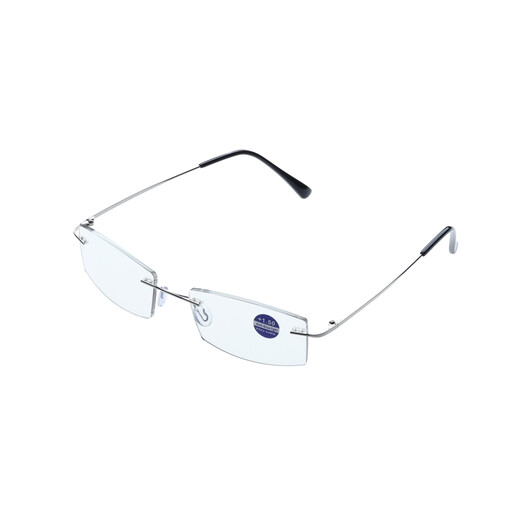
Why This Fits Their Persona: Ideal for individuals who need an unobtrusive, lightweight, and functional reading aid for the office and home. The focus is on the essentials: clear vision without a distracting frame.
These glasses bypass the "one-size-fits-all" trap by relying on a proven, minimalist design. The rimless construction is inherently lightweight and adapts discreetly, rather than promising a complex universal fit.
Minimal weight for superior comfort during long reading sessions. A clear, unrestricted field of view thanks to the absence of a frame.
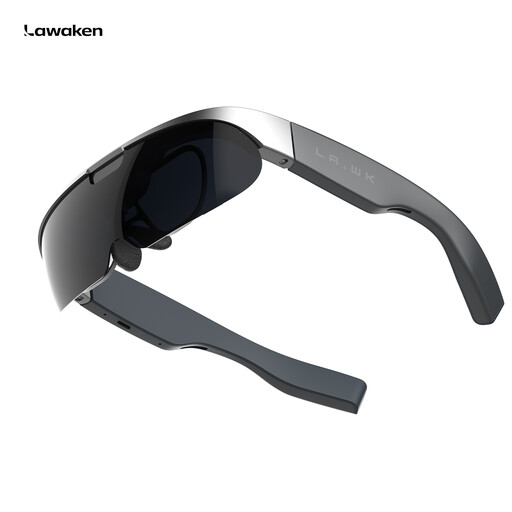
Why This Fits Their Persona: Perfect for cyclists and outdoor athletes who want to track their performance, navigate, and capture moments without taking their hands off the handlebars or their eyes off the road.
These AR glasses avoid the trap of useless features by focusing on a clear use case. Functions like AR navigation, performance data visualisation, and an integrated camera offer direct, practical benefits for cycling.
Integrated AR display for real-time data and navigation. Built-in camera for capturing first-person-view footage while riding.
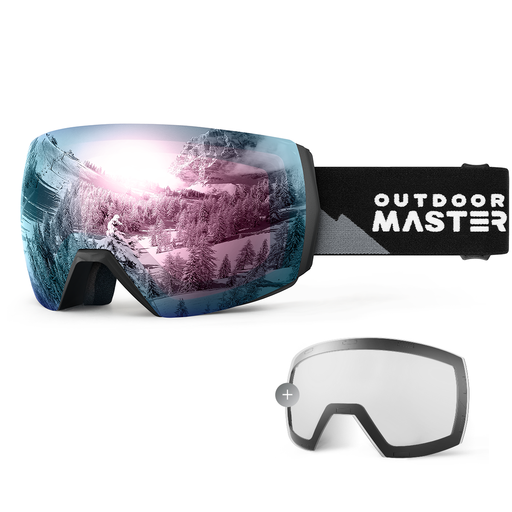
Why This Fits Their Persona: Designed for skiers and snowboarders who need maximum visibility, protection, and flexibility in changing weather conditions on the slopes. Suitable for prescription glasses wearers.
These ski goggles avoid the trap of inadequate protection through clearly defined lens technologies (UCT for contrast enhancement) and certified 100% UV protection. The OTG design is a thoughtful, practical solution, not an empty promise.
Magnetic lens-swapping system for split-second changes. OTG design allows them to be worn over regular glasses.
We have compiled a complete, up-to-date list of products that fully meet these strict selection criteria and safety regulations.
1. What should I look for in reading glasses for daily use? The correct diopter strength is crucial. If you're unsure, start with a lower strength for comfortable reading. Also, pay attention to the frame: half-rim glasses make it easier to switch your gaze between near and far objects, while rimless reading glasses are prized for their low weight and are barely noticeable during long reading periods.
2. What does "OTG" mean on ski goggles? OTG stands for "Over The Glasses." OTG glasses are specifically designed to be worn comfortably over regular prescription glasses. They offer sufficient interior volume and often have side cutouts in the foam to prevent pressure points from the temples of the underlying glasses.
3. Who are AR or data glasses suitable for right now?AR glasses are currently most interesting for specific use cases. Athletes, especially cyclists, use them to display navigation cues and performance data. In professional settings, they are used for tasks like remote maintenance or logistics. For pure media consumption, there are models like the XREAL One AR Glasses that can project a large virtual display. Their broad utility in general daily life is still under development.